

Understanding Industrial Burner Management Systems: Enhancing Safety and Efficiency
Sep 25,2026
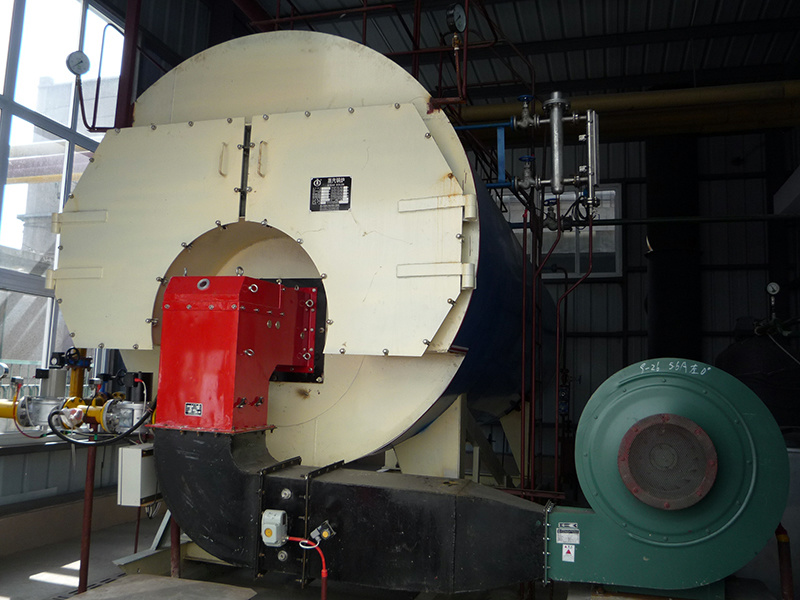
In the realm of industrial equipment and components, particularly within the casting and heat treatment sectors, the integration of Industrial Burner Management Systems (IBMS) is paramount. These systems have been designed to ensure the safe and efficient operation of industrial burners, which are vital for various manufacturing processes.
An Industrial Burner Management System serves as a comprehensive solution for monitoring and controlling the operation of burners. Its primary goal is to minimize the risk of hazardous situations by continuously checking safety parameters and operational conditions. One of the key features of IBMS is its ability to perform safety checks before the ignition of the burner, which includes verifying the integrity of the fuel supply, the presence of flame, and the functionality of ignition systems. This proactive approach significantly reduces the risk of accidents, such as explosions or fires, which can have catastrophic implications in industrial settings.
Additionally, IBMS plays a crucial role in enhancing operational efficiency. By automating the monitoring and control processes, these systems can optimize fuel consumption and reduce emissions. This not only supports the environmental goals of companies but also contributes to cost savings in fuel expenditures. An efficiently managed burner will operate at optimal conditions, leading to better thermal efficiency and reduced wear and tear on equipment.
Compliance with regulatory standards is another critical aspect of Industrial Burner Management Systems. Industries are often subject to stringent safety regulations, and having an effective IBMS in place can help ensure adherence to these standards. Regular reporting capabilities offered by the system aid in maintaining compliance documentation, which is essential during audits and inspections.
Furthermore, advances in technology have led to the development of more sophisticated IBMS options that incorporate features such as data analytics and remote monitoring. These modern systems can provide real-time data on burner performance and safety metrics, allowing operators to make informed decisions quickly. The ability to access this information remotely enhances the flexibility and responsiveness of industrial operations.
In conclusion, Industrial Burner Management Systems are indispensable in the industrial sector, particularly for companies focusing on casting and heat treatment equipment. By prioritizing safety, enhancing efficiency, and ensuring compliance, these systems play a critical role in the overall success and sustainability of industrial operations. As industries continue to evolve, the importance of robust and effective burner management solutions will only grow, making understanding and implementing IBMS a key factor for success in the competitive marketplace.
An Industrial Burner Management System serves as a comprehensive solution for monitoring and controlling the operation of burners. Its primary goal is to minimize the risk of hazardous situations by continuously checking safety parameters and operational conditions. One of the key features of IBMS is its ability to perform safety checks before the ignition of the burner, which includes verifying the integrity of the fuel supply, the presence of flame, and the functionality of ignition systems. This proactive approach significantly reduces the risk of accidents, such as explosions or fires, which can have catastrophic implications in industrial settings.
Additionally, IBMS plays a crucial role in enhancing operational efficiency. By automating the monitoring and control processes, these systems can optimize fuel consumption and reduce emissions. This not only supports the environmental goals of companies but also contributes to cost savings in fuel expenditures. An efficiently managed burner will operate at optimal conditions, leading to better thermal efficiency and reduced wear and tear on equipment.
Compliance with regulatory standards is another critical aspect of Industrial Burner Management Systems. Industries are often subject to stringent safety regulations, and having an effective IBMS in place can help ensure adherence to these standards. Regular reporting capabilities offered by the system aid in maintaining compliance documentation, which is essential during audits and inspections.
Furthermore, advances in technology have led to the development of more sophisticated IBMS options that incorporate features such as data analytics and remote monitoring. These modern systems can provide real-time data on burner performance and safety metrics, allowing operators to make informed decisions quickly. The ability to access this information remotely enhances the flexibility and responsiveness of industrial operations.
In conclusion, Industrial Burner Management Systems are indispensable in the industrial sector, particularly for companies focusing on casting and heat treatment equipment. By prioritizing safety, enhancing efficiency, and ensuring compliance, these systems play a critical role in the overall success and sustainability of industrial operations. As industries continue to evolve, the importance of robust and effective burner management solutions will only grow, making understanding and implementing IBMS a key factor for success in the competitive marketplace.
PREVIOUS:

Contact Us
E-mail: yilin@cn-tsjsrs.com
Add: East side of Jingwu Road, Qian'an City, Hebei Province (within the modern equipment manufacturing industry cluster area)


Copyright © Tangshan Jinsha Combustion Heat Energy Co.,Ltd.