

Understanding Hot Blast Stove Systems: Essential Insights for Industrial Professionals
Jul 21,2026
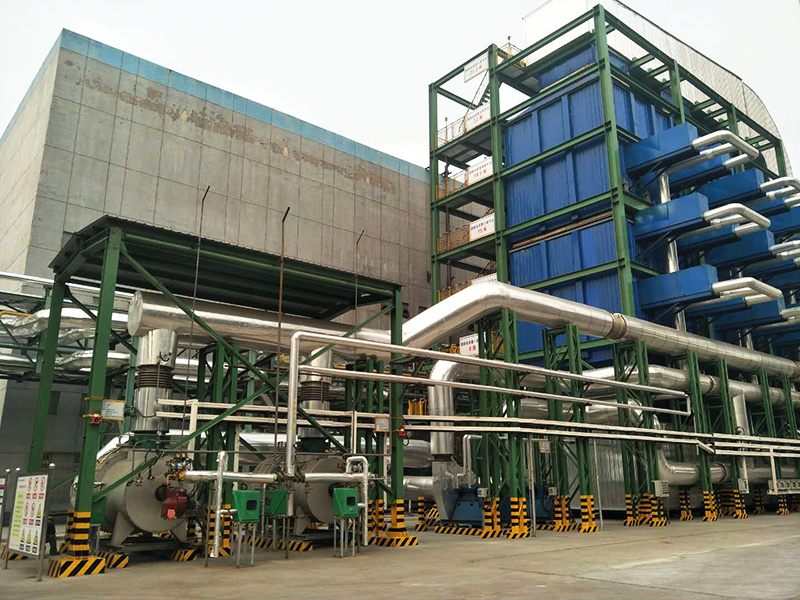
Hot Blast Stove play a pivotal role in various industrial applications, serving as essential components for heating processes and improving operational efficiency. These systems operate by heating air through the combustion of fuel sources, which is then circulated throughout a facility to maintain optimal temperatures for production processes, drying applications, and more.
One of the primary advantages of Hot Blast Stove is their ability to deliver consistent and controllable heat. This characteristic is particularly valuable in industries such as manufacturing, food processing, and chemical production, where precise temperature regulation is critical for product quality and safety. The design of these systems allows for rapid heating, making them ideal for applications that require quick turnaround times.
When considering the implementation of a Hot Blast Stove , several key factors should be evaluated. First and foremost is the type of fuel used for combustion. Common options include natural gas, propane, and oil, each with its own benefits and considerations. The choice of fuel can affect the efficiency, emissions, and operational costs of the system. Therefore, it is crucial to assess the availability of fuel sources and the environmental regulations that may impact your selection.
Another important consideration is the system's efficiency and heat output. Hot Blast Stove are typically rated based on their thermal efficiency, which indicates how effectively they convert fuel into usable heat. Higher efficiency ratings can lead to significant cost savings over time, making it essential to choose a system that not only meets your heating needs but also aligns with energy conservation goals.
Maintenance is also a critical aspect of Hot Blast Stove . Regular inspections and servicing can prevent unexpected breakdowns and prolong the lifespan of the equipment. Key maintenance tasks include cleaning burners and heat exchangers, checking for leaks, and ensuring proper airflow. Developing a proactive maintenance schedule can help minimize downtime and maintain optimal performance.
In addition, advancements in technology have led to the development of more sophisticated Hot Blast Stove with enhanced control features. Modern systems often include programmable thermostats, remote monitoring capabilities, and integration with building management systems. These features not only improve operational efficiency but can also contribute to energy savings.
In conclusion, understanding Hot Blast Stove is essential for industrial professionals seeking to optimize heating processes in their facilities. By focusing on fuel selection, efficiency, maintenance, and technological advancements, businesses can enhance their operations and achieve better performance outcomes. As you explore the implementation of a Hot Blast Stove , consider consulting with industry experts to ensure you make informed decisions that align with your specific operational needs.
Related Posts

Contact Us
E-mail: yilin@cn-tsjsrs.com
Add: East side of Jingwu Road, Qian'an City, Hebei Province (within the modern equipment manufacturing industry cluster area)


Copyright © Tangshan Jinsha Combustion Heat Energy Co.,Ltd.