

Understanding Non-Standard Combustion Systems in Industrial Heat Exchange Equipment
Dec 09,2025
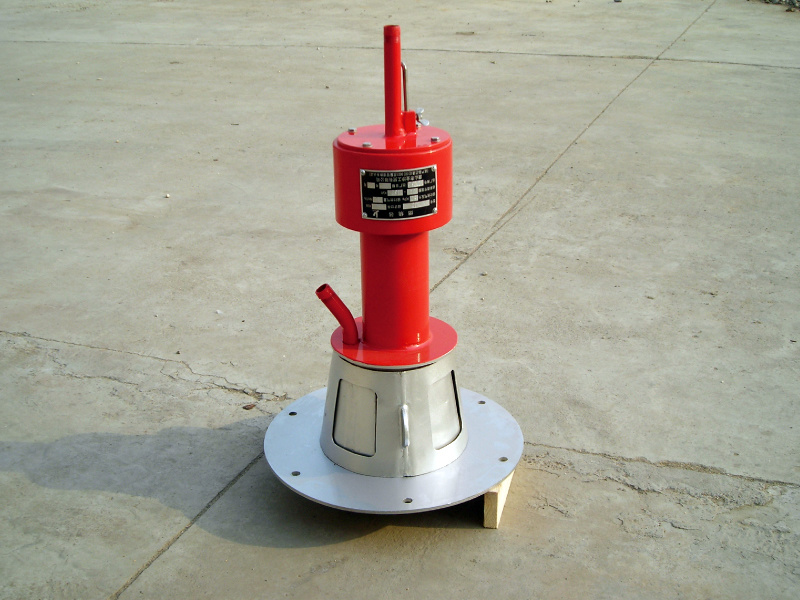
Non-standard combustion systems are increasingly relevant in various industrial applications, particularly in the field of heat transfer equipment. Unlike conventional combustion systems, which typically adhere to established norms and efficiency metrics, non-standard systems offer innovative approaches tailored to specific operational requirements. These systems can be designed to optimize fuel usage, enhance efficiency, and reduce emissions, making them an attractive option for industries looking to improve sustainability.
One of the primary characteristics of non-standard combustion systems is their flexibility in design and operation. They can incorporate various fuels, including alternative energy sources, which allows industries to adapt to changing fuel availability and costs. This flexibility not only enhances operational efficiency but also helps companies meet regulatory requirements regarding emissions and environmental impact.
In terms of operational principles, non-standard combustion systems may employ unique configurations or technologies that deviate from traditional methods. For instance, they could utilize advanced mixing techniques to enhance fuel-air interaction or innovative burner designs that improve combustion stability. These modifications can lead to more complete combustion, reducing unburned fuel and minimizing the release of pollutants.
Moreover, non-standard systems can play a vital role in energy recovery processes. By efficiently harnessing waste heat generated during combustion, industries can improve overall energy efficiency and lower operational costs. This capability aligns with the increasing emphasis on sustainability and resource conservation in industrial practices.
When considering the implementation of a non-standard combustion system, it is essential for professionals to evaluate their specific operational requirements and constraints. Factors such as the type of fuel used, the desired output temperature, and regulatory compliance should be carefully considered. Collaborating with engineers and experts in combustion technology can provide valuable insights and help optimize the design and operation of these systems.
In conclusion, non-standard combustion systems represent a significant opportunity for industries aiming to enhance their heating and heat exchange processes. By integrating innovative technologies and customized approaches, these systems not only improve efficiency but also contribute to environmental sustainability. As industries continue to evolve, understanding the functionalities and benefits of non-standard combustion systems will remain crucial for professionals in the field.
One of the primary characteristics of non-standard combustion systems is their flexibility in design and operation. They can incorporate various fuels, including alternative energy sources, which allows industries to adapt to changing fuel availability and costs. This flexibility not only enhances operational efficiency but also helps companies meet regulatory requirements regarding emissions and environmental impact.
In terms of operational principles, non-standard combustion systems may employ unique configurations or technologies that deviate from traditional methods. For instance, they could utilize advanced mixing techniques to enhance fuel-air interaction or innovative burner designs that improve combustion stability. These modifications can lead to more complete combustion, reducing unburned fuel and minimizing the release of pollutants.
Moreover, non-standard systems can play a vital role in energy recovery processes. By efficiently harnessing waste heat generated during combustion, industries can improve overall energy efficiency and lower operational costs. This capability aligns with the increasing emphasis on sustainability and resource conservation in industrial practices.
When considering the implementation of a non-standard combustion system, it is essential for professionals to evaluate their specific operational requirements and constraints. Factors such as the type of fuel used, the desired output temperature, and regulatory compliance should be carefully considered. Collaborating with engineers and experts in combustion technology can provide valuable insights and help optimize the design and operation of these systems.
In conclusion, non-standard combustion systems represent a significant opportunity for industries aiming to enhance their heating and heat exchange processes. By integrating innovative technologies and customized approaches, these systems not only improve efficiency but also contribute to environmental sustainability. As industries continue to evolve, understanding the functionalities and benefits of non-standard combustion systems will remain crucial for professionals in the field.
PREVIOUS:

Contact Us
E-mail: yilin@cn-tsjsrs.com
Add: East side of Jingwu Road, Qian'an City, Hebei Province (within the modern equipment manufacturing industry cluster area)


Copyright © Tangshan Jinsha Combustion Heat Energy Co.,Ltd.