

Why Sealed Rotary Kiln Reactor Systems Are Essential for Modern Industries
Dec 14,2025
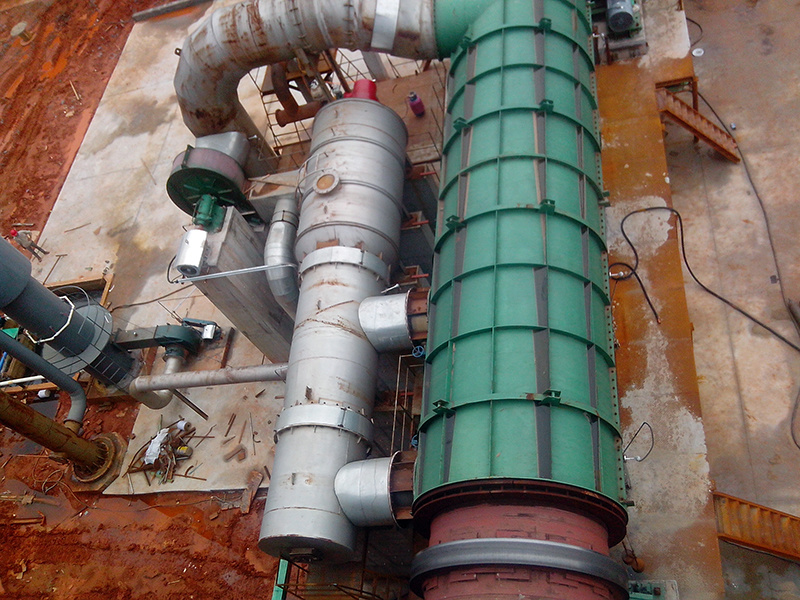
Why Sealed Rotary Kiln Reactor Systems Are Essential for Modern Industries
Sealed rotary kiln reactor systems have emerged as a cornerstone technology in various industrial processes, ranging from the production of cement to waste treatment. These advanced systems offer a range of benefits that cater to the growing demands of modern manufacturing and environmental sustainability. In this comprehensive guide, we will explore their significance, operational efficiency, and the profound impact they have on various industries.
Understanding Sealed Rotary Kiln Reactor Systems
At the heart of many manufacturing processes, sealed rotary kiln reactors are designed to create a controlled environment for the thermal treatment of materials. These systems are characterized by their cylindrical shape and the ability to rotate, which aids in the even distribution of heat.
How Sealed Rotary Kiln Reactors Work
The operation of a sealed rotary kiln reactor involves several key steps:
- Heating: Fuel sources, such as natural gas or electricity, heat the kiln, raising the temperature to the required level for material processing.
- Material Input: Raw materials are fed into the kiln through a sealed inlet, ensuring that external contaminants are kept at bay.
- Rotation: The kiln's continuous rotation promotes uniform heating and chemical reactions, leading to efficient processing.
- Product Output: The finished product exits through a sealed outlet, ready for further processing or use.
The Benefits of Using Sealed Rotary Kiln Reactor Systems
Sealed rotary kiln reactors provide numerous advantages over traditional processing methods:
- Energy Efficiency: The design of these systems minimizes heat loss, maximizing energy utilization.
- Environmental Control: The sealed environment reduces emissions and pollutants, allowing industries to meet stringent environmental regulations.
- Versatility: Sealed rotary kilns can process a wide range of materials, including metals, minerals, and waste products.
- Higher Yield: The optimized heating and processing conditions lead to improved product quality and yields.
The Role of Sealed Rotary Kiln Reactors in Various Industries
Sealed rotary kiln systems are utilized across multiple sectors, demonstrating their versatility and efficiency. Below, we delve into specific industries that benefit from this technology.
Cement Production
The cement industry heavily relies on sealed rotary kilns for the calcination of raw materials. The ability to maintain high temperatures and control the atmosphere within the kiln ensures the production of high-quality clinker, a key ingredient in cement.
Metallurgical Applications
In metallurgy, sealed rotary kilns are employed for the reduction of metal ores and the recycling of metals. The controlled environment allows for precise chemical reactions, enabling the efficient extraction of metals while minimizing waste.
Waste Treatment and Valorization
Sealed rotary kilns play a critical role in waste management by converting hazardous waste into inert materials. This process not only reduces landfill usage but also recovers energy and valuable materials, thereby contributing to a circular economy.
Advantages of Sealed Rotary Kiln Reactor Systems for Environmental Sustainability
With increasing awareness of environmental issues, industries are under pressure to adopt more sustainable practices. Sealed rotary kiln reactors contribute significantly to sustainability through the following means:
Reduction of Greenhouse Gas Emissions
By operating in a closed system, sealed rotary kilns minimize the release of greenhouse gases, aligning with global efforts to combat climate change. The ability to utilize alternative fuels further enhances their environmental credentials.
Waste Minimization
These reactors facilitate the transformation of waste materials into usable products, effectively diverting waste from landfills and reducing the overall environmental footprint of industrial operations.
Energy Recovery
Sealed rotary kilns can recover energy from waste materials, converting it into usable heat or electricity. This process not only enhances energy efficiency but also helps industries reduce their reliance on fossil fuels.
Choosing the Right Sealed Rotary Kiln Reactor System
When selecting a sealed rotary kiln reactor system, industries must consider several factors to ensure optimal performance:
Material Compatibility
It's crucial to assess whether the kiln can handle the specific materials intended for processing. Different materials may require varying temperatures and atmospheres.
System Size and Capacity
Organizations should evaluate their production requirements to choose a kiln with the appropriate size and processing capacity for their operations.
Energy Source Options
Understanding the available energy sources and their costs is vital. Sealed rotary kilns can be powered by gas, electricity, or alternative fuels, depending on feasibility and sustainability goals.
Cost Considerations and ROI Analysis
Investing in a sealed rotary kiln reactor system can be substantial; however, the long-term benefits often outweigh the initial costs.
Initial Investment vs. Long-Term Savings
While the upfront investment may be significant, industries often experience substantial savings in energy costs, waste disposal fees, and regulatory compliance fines over time.
Enhanced Productivity and Quality
Improved processing efficiency and product quality lead to increased customer satisfaction and market competitiveness, further justifying the investment in sealed rotary kiln technology.
Frequently Asked Questions (FAQs)
1. What types of materials can be processed in sealed rotary kilns?
Sealed rotary kilns can accommodate a diverse range of materials, including minerals, metals, waste products, and even organic materials, depending on the specific design and operational parameters.
2. How does a sealed rotary kiln differ from a traditional kiln?
The primary difference lies in the sealed design, which prevents contamination and minimizes emissions, offering better control over the processing environment compared to traditional kilns.
3. What are the environmental benefits of using sealed rotary kilns?
Environmental benefits include reduced greenhouse gas emissions, waste minimization, and energy recovery, contributing to a more sustainable production process.
4. Are sealed rotary kilns suitable for small-scale operations?
Yes, sealed rotary kilns can be designed for small-scale operations, but careful consideration of capacity and material processing needs is essential.
5. How do I maintain a sealed rotary kiln reactor system?
Regular maintenance involves inspections, cleaning, and monitoring of key components, such as seals and burners, to ensure optimal performance and longevity of the system.
Conclusion
Sealed rotary kiln reactor systems are undeniably essential for modern industries, providing unmatched efficiency, versatility, and sustainability. As industries continue to face increasing environmental regulations and operational challenges, the adoption of this technology will play a pivotal role in shaping the future of manufacturing. By investing in sealed rotary kilns, organizations can not only improve their processes but also contribute to broader environmental goals, promoting a sustainable industrial landscape for generations to come.
PREVIOUS:

Contact Us
E-mail: yilin@cn-tsjsrs.com
Add: East side of Jingwu Road, Qian'an City, Hebei Province (within the modern equipment manufacturing industry cluster area)


Copyright © Tangshan Jinsha Combustion Heat Energy Co.,Ltd.