

Exploring Different Types of Metallurgical Combustion Equipment: A Comprehensive Guide
Mar 29,2026
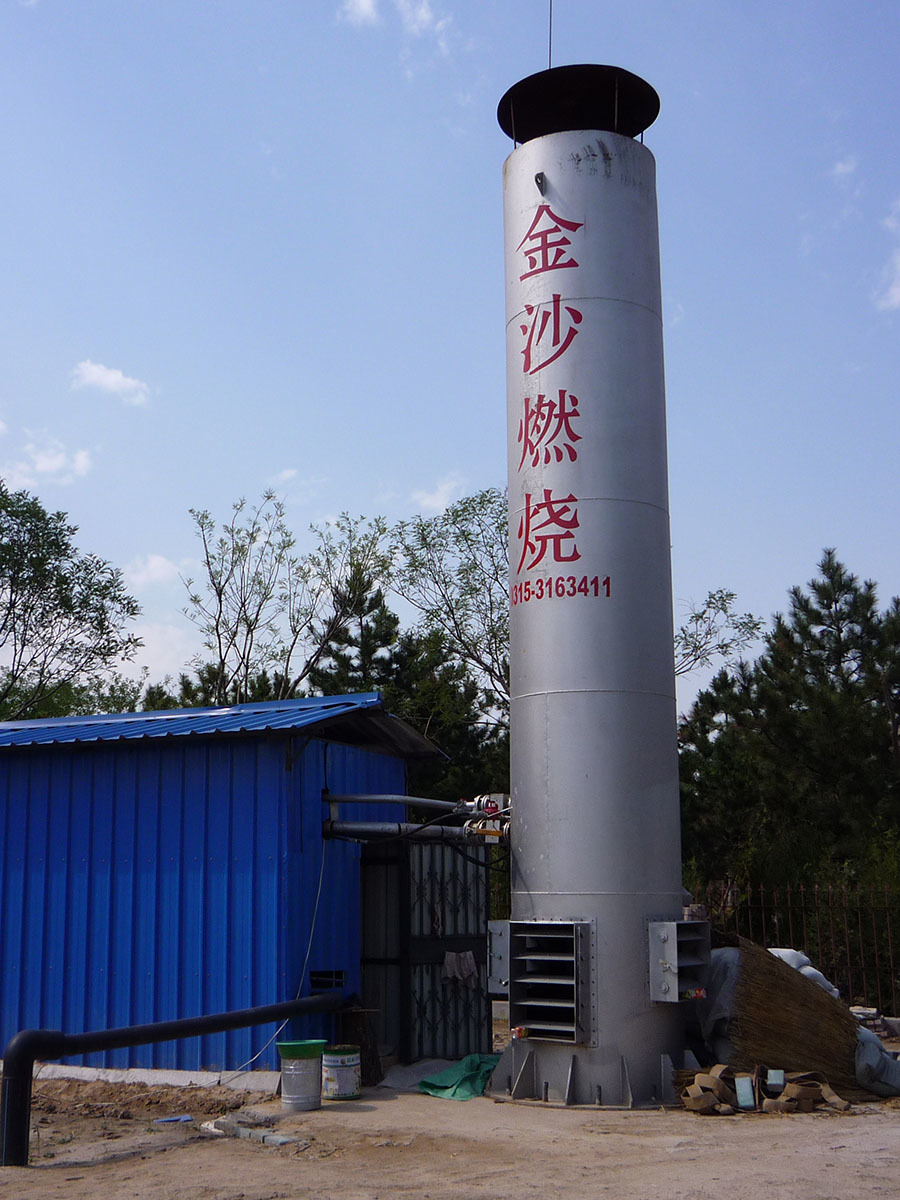
Exploring Different Types of Metallurgical Combustion Equipment
Table of Contents
1. Introduction to Metallurgical Combustion Equipment
2. Understanding the Importance of Combustion in Metallurgy
2.1 The Role of Heat in Metallurgical Processes
2.2 Benefits of Efficient Combustion Systems
3. Types of Metallurgical Combustion Equipment
3.1 Induction Heating Equipment
3.2 Resistance Heating Furnaces
3.3 Electric Arc Furnaces
3.4 Gas-Fired Furnaces
3.5 Crucible Furnaces
4. Key Features of Effective Combustion Equipment
5. Best Practices for Operating Metallurgical Combustion Equipment
6. Safety Considerations in Metallurgical Heating
7. Future Trends in Metallurgical Combustion Technology
8. Frequently Asked Questions (FAQs)
9. Conclusion
1. Introduction to Metallurgical Combustion Equipment
Metallurgical combustion equipment plays a pivotal role in various industrial applications, particularly in the heating and processing of metals. These devices are designed to generate high temperatures required for melting, forging, or heat treating metals. Understanding the different types of combustion equipment available in the market is essential for optimizing production processes and ensuring energy efficiency.
2. Understanding the Importance of Combustion in Metallurgy
The processes of metallurgy involve the manipulation of metal properties through heating, cooling, and chemical reactions. Combustion is a fundamental aspect of these processes, as it provides the necessary heat and energy.
2.1 The Role of Heat in Metallurgical Processes
Heat plays a crucial role in various metallurgical processes, including melting, casting, and heat treatment. Each of these processes requires specific temperature ranges and heating durations, which are achieved through effective combustion systems.
2.2 Benefits of Efficient Combustion Systems
Efficient combustion systems enhance productivity, reduce operational costs, and minimize environmental impact. These systems ensure optimal fuel consumption, leading to lower emissions and improved sustainability in metallurgical operations.
3. Types of Metallurgical Combustion Equipment
There are several types of metallurgical combustion equipment, each designed for specific applications and industries. Understanding the distinctions between these types can help in selecting the right equipment for your needs.
3.1 Induction Heating Equipment
Induction heating is a popular method for heating conductive materials through electromagnetic induction. This equipment offers precise temperature control and rapid heating, making it ideal for applications such as hardening, melting, and brazing.
3.2 Resistance Heating Furnaces
Resistance heating furnaces utilize electrical resistance to generate heat. They are commonly used for applications that require controlled heating, such as sintering and heat treating. Their efficiency is largely dependent on the type of materials used for insulation and heating elements.
3.3 Electric Arc Furnaces
Electric arc furnaces (EAF) are primarily used in steelmaking. They produce heat by creating an electric arc between electrodes and the metal charge. EAFs are known for their flexibility and ability to recycle scrap metal, making them a sustainable choice in the industry.
3.4 Gas-Fired Furnaces
Gas-fired furnaces use natural gas or propane as fuel to achieve high temperatures. These furnaces are often preferred for their efficiency and lower operational costs, especially in large-scale production environments.
3.5 Crucible Furnaces
Crucible furnaces are designed for melting small quantities of metal in a crucible. They are often used for specialty metals and alloys, offering versatility in melting various materials.
4. Key Features of Effective Combustion Equipment
When selecting metallurgical combustion equipment, it is crucial to consider several key features to ensure optimal performance and efficiency.
- **Temperature Control:** Precise temperature regulation is essential for metallurgical processes. Look for equipment that offers advanced controls and monitoring systems.
- **Energy Efficiency:** High-efficiency systems can significantly reduce fuel consumption and operating costs.
- **Material Compatibility:** Ensure the equipment is compatible with the specific materials being processed to avoid contamination or damage.
- **Safety Features:** Equipment should have built-in safety mechanisms to protect operators and prevent accidents.
5. Best Practices for Operating Metallurgical Combustion Equipment
To maximize the performance and lifecycle of combustion equipment, adhering to best practices is essential. Regular maintenance, proper training for operators, and routine inspections can prevent breakdowns and enhance safety.
- **Regular Maintenance:** Schedule routine checks and maintenance to ensure all components are functioning correctly.
- **Operator Training:** Equip operators with the necessary skills and knowledge to handle equipment safely and efficiently.
- **Monitoring Systems:** Implement monitoring systems to track performance metrics and identify potential issues early.
6. Safety Considerations in Metallurgical Heating
Safety should always be a priority when operating metallurgical combustion equipment. Understanding potential hazards and implementing safety protocols can minimize risks.
- **Personal Protective Equipment (PPE):** Ensure all operators wear appropriate PPE to protect against heat and potential hazards.
- **Ventilation:** Adequate ventilation must be maintained to prevent the accumulation of harmful gases.
- **Emergency Procedures:** Establish clear emergency procedures and protocols for handling accidents or equipment failures.
7. Future Trends in Metallurgical Combustion Technology
The metallurgical industry is witnessing advancements in combustion technology that aim to enhance efficiency and sustainability. Emerging trends include the adoption of renewable energy sources, automation in control systems, and innovations in material science that improve the performance of combustion equipment.
8. Frequently Asked Questions (FAQs)
**Q1: What is the primary function of metallurgical combustion equipment?**
A1: The primary function is to provide the necessary heat for processes such as melting, forging, and heat treating metals.
**Q2: How do I choose the right type of combustion equipment for my application?**
A2: Consider factors such as the type of material, heating requirements, and operational efficiency when selecting equipment.
**Q3: What are the safety risks associated with metallurgical heating?**
A3: Risks include exposure to high temperatures, harmful gases, and potential equipment malfunctions.
**Q4: How can I improve the energy efficiency of my combustion systems?**
A4: Regular maintenance, upgrading to high-efficiency models, and optimizing fuel consumption can enhance energy efficiency.
**Q5: What are the latest trends in metallurgical combustion technology?**
A5: Key trends include automation, renewable energy integration, and advancements in material science for better performance.
9. Conclusion
In conclusion, understanding the various types of metallurgical combustion equipment is essential for industry professionals looking to optimize their processes. By exploring the different types and their applications, we can enhance productivity, ensure safety, and promote sustainability in metallurgical operations. As technology advances, staying informed about the latest trends will be crucial for maintaining a competitive edge in this ever-evolving field.
PREVIOUS:

Contact Us
E-mail: yilin@cn-tsjsrs.com
Add: East side of Jingwu Road, Qian'an City, Hebei Province (within the modern equipment manufacturing industry cluster area)


Copyright © Tangshan Jinsha Combustion Heat Energy Co.,Ltd.