

Sealed Rotary Kiln Reactor Systems: Revolutionizing Heat Exchange Technology
Apr 02,2026
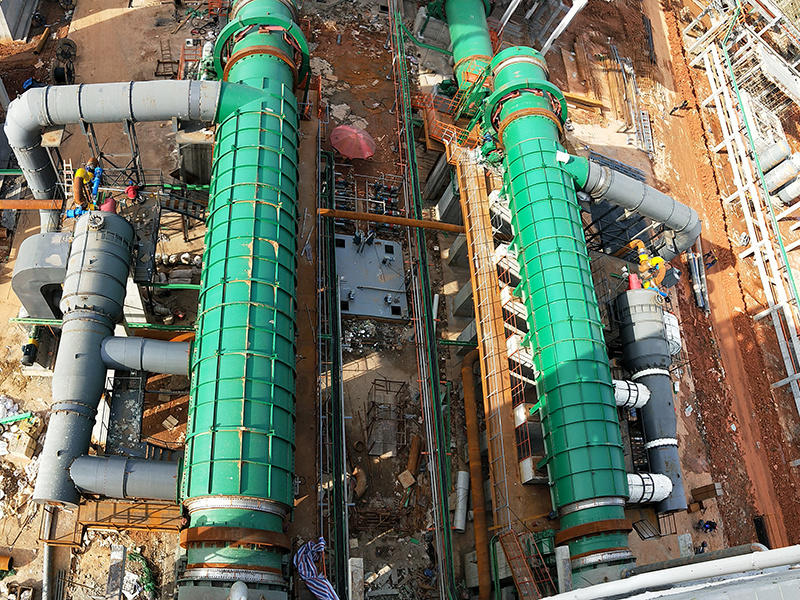
Sealed Rotary Kiln Reactor Systems: Revolutionizing Heat Exchange Technology
Table of Contents
- Introduction to Sealed Rotary Kiln Reactor Systems
- Understanding Heat Exchange in Industrial Applications
- Key Design Features of Sealed Rotary Kiln Reactors
- Operational Efficiency of Sealed Rotary Kiln Reactor Systems
- Environmental Impact and Sustainability Benefits
- Applications of Sealed Rotary Kiln Reactor Systems
- Future Trends in Heat Exchange Technology
- Frequently Asked Questions
- Conclusion
Introduction to Sealed Rotary Kiln Reactor Systems
Sealed rotary kiln reactor systems represent a significant advancement in heat exchange technology. Designed for applications requiring high temperatures and controlled atmospheres, these systems utilize a rotating cylindrical structure to facilitate efficient heat transfer and material processing. The sealed nature of these kilns not only enhances thermal efficiency but also minimizes environmental impact by containing emissions and optimizing energy use.
Understanding Heat Exchange in Industrial Applications
Heat exchange is a fundamental process in various industrial applications, including chemical production, waste treatment, and material processing. Effective heat exchange systems are crucial for maximizing energy efficiency and ensuring optimal performance.
The Role of Heat Exchange in Industrial Processes
Heat exchange occurs when thermal energy is transferred between materials or fluids at different temperatures. In industrial settings, this process plays a vital role in:
- **Heating and cooling processes**
- **Chemical reactions**
- **Energy recovery**
Proper management of heat exchange leads to improved energy efficiency, reduced operational costs, and enhanced product quality.
Key Design Features of Sealed Rotary Kiln Reactors
Sealed rotary kiln reactors are characterized by several innovative design features that contribute to their efficiency and effectiveness in heat exchange.
Rotating Cylinder Design
The rotating cylinder design allows for continuous processing of materials. As the kiln rotates, materials move through different zones of temperature, ensuring uniform heat distribution.
Sealed Construction
The sealed construction minimizes the escape of gases and volatile compounds, allowing for better control over the reaction environment. This feature is particularly important for processes requiring specific atmospheric conditions.
Insulation and Refractory Materials
High-quality insulation and refractory materials are essential in maintaining the elevated temperatures required for efficient operation. These materials reduce heat loss, increasing overall energy efficiency.
Operational Efficiency of Sealed Rotary Kiln Reactor Systems
Operational efficiency is a hallmark of sealed rotary kiln reactors. Several factors contribute to this efficiency:
Temperature Control
Precise temperature control is crucial for optimal performance. Advanced monitoring and control systems ensure that the kiln operates within the desired temperature range, enhancing reaction rates and product quality.
Energy Recovery Systems
Many sealed rotary kilns are equipped with energy recovery systems that capture waste heat and repurpose it for other processes. This not only reduces energy consumption but also lowers operating costs.
Environmental Impact and Sustainability Benefits
In an era of increasing environmental regulations, sealed rotary kiln reactor systems offer significant sustainability benefits.
Reduced Emissions
The sealed design minimizes the release of harmful emissions into the atmosphere. By maintaining a controlled environment, these systems can effectively manage byproducts and reduce air pollution.
Resource Efficiency
Enhanced energy efficiency translates to lower resource consumption. As industries strive for sustainability, the adoption of sealed rotary kiln reactors can play a pivotal role in reducing their carbon footprint.
Applications of Sealed Rotary Kiln Reactor Systems
Sealed rotary kiln reactor systems find applications across various industries, including:
Cement Production
In cement manufacturing, sealed rotary kilns are used to heat raw materials, facilitating the chemical transformations necessary for producing clinker.
Waste Treatment
These systems are also effective in waste treatment processes, where they can thermally decompose hazardous materials in a controlled environment, reducing landfill reliance.
Metallurgical Processes
In metallurgy, sealed rotary kilns are used for processes such as calcination and roasting, enhancing the extraction of valuable metals.
Future Trends in Heat Exchange Technology
As technology continues to evolve, several trends are shaping the future of heat exchange systems, particularly sealed rotary kilns.
Integration of Smart Technology
The integration of smart technology and IoT capabilities is becoming increasingly prevalent. These advancements will enable real-time monitoring and predictive maintenance, ensuring optimal performance and minimizing downtime.
Focus on Sustainability
The ongoing focus on sustainability will drive innovations aimed at improving energy efficiency and reducing emissions, making sealed rotary kilns a preferred choice for environmentally conscious industries.
Frequently Asked Questions
What is a sealed rotary kiln reactor system?
A sealed rotary kiln reactor system is a cylindrical structure that rotates while maintaining a sealed environment, allowing for efficient heat exchange and controlled processing of materials.
What industries utilize sealed rotary kiln reactors?
Sealed rotary kiln reactors are utilized in cement production, waste treatment, metallurgy, and various chemical manufacturing processes.
How do sealed rotary kilns improve energy efficiency?
These systems improve energy efficiency through precise temperature control, effective insulation, and energy recovery systems that repurpose waste heat.
What environmental benefits do sealed rotary kilns offer?
Sealed rotary kilns reduce emissions, enhance resource efficiency, and contribute to sustainable industrial practices by minimizing the release of harmful pollutants.
What are the future trends for sealed rotary kiln technology?
Future trends include the integration of smart technology for monitoring and maintenance, as well as an increased focus on sustainability and energy efficiency.
Conclusion
Sealed rotary kiln reactor systems are revolutionizing heat exchange technology across various industries. With their innovative design features, operational efficiencies, and significant environmental benefits, these systems are paving the way for a more sustainable and efficient industrial future. As industries increasingly prioritize energy efficiency and emissions reduction, the adoption of sealed rotary kilns will undoubtedly become more prevalent, marking a transformative step in heat exchange technology.
PREVIOUS:

Contact Us
E-mail: yilin@cn-tsjsrs.com
Add: East side of Jingwu Road, Qian'an City, Hebei Province (within the modern equipment manufacturing industry cluster area)


Copyright © Tangshan Jinsha Combustion Heat Energy Co.,Ltd.