

The Future of Industrial Heating: Innovations in Pulverized Coal Hot Air Furnace Systems
Apr 08,2026
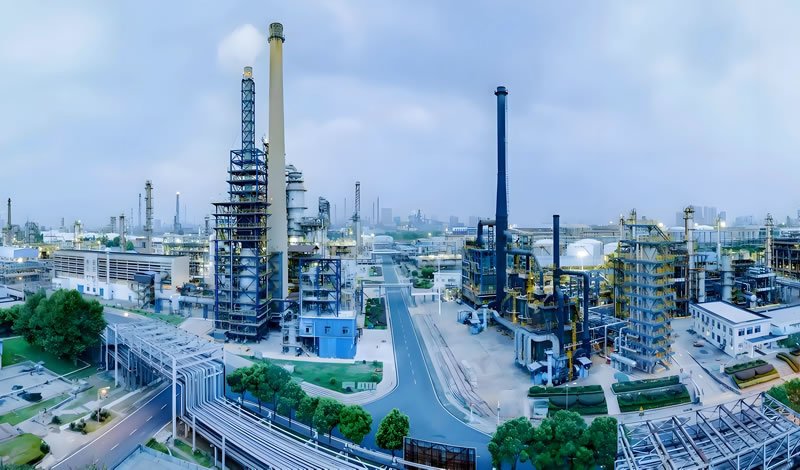
The Future of Industrial Heating: Innovations in Pulverized Coal Hot Air Furnace Systems
Table of Contents
1. Introduction to Industrial Heating Systems
2. Overview of Pulverized Coal Hot Air Furnace Systems
3. Recent Innovations in Pulverized Coal Heating Technology
3.1 Advanced Combustion Techniques
3.2 Enhanced Heat Exchanger Designs
3.3 Automation and Control Systems
4. Benefits of Using Pulverized Coal Hot Air Furnaces
4.1 Energy Efficiency Improvements
4.2 Cost-Effectiveness
4.3 Environmental Impact and Compliance
5. Applications of Pulverized Coal Hot Air Furnace Systems
6. Challenges in Implementing New Technologies
7. The Future Outlook for Industrial Heating
8. Frequently Asked Questions (FAQs)
9. Conclusion
1. Introduction to Industrial Heating Systems
Industrial heating systems play a critical role in various manufacturing processes, from metalworking to food production. They provide the necessary heat for processes such as drying, melting, and curing. The demand for efficient and sustainable heating solutions has led to significant innovations in the industry, particularly in the realm of pulverized coal systems, which are gaining attention for their efficiency and cost-effectiveness.
2. Overview of Pulverized Coal Hot Air Furnace Systems
Pulverized coal hot air furnace systems are designed to convert raw coal into fine particles that are then burned to produce heat. This technology offers a unique approach to energy efficiency, as it allows for better combustion and heat distribution compared to traditional coal-fired furnaces. The pulverization of coal increases its surface area, leading to a more complete combustion process and higher thermal efficiency.
3. Recent Innovations in Pulverized Coal Heating Technology
The landscape of industrial heating is evolving rapidly. Recent innovations in pulverized coal technology are setting new standards for efficiency and performance.
3.1 Advanced Combustion Techniques
Innovations in combustion technology have led to the development of **low-NOx burners** that significantly reduce nitrogen oxide emissions. These burners operate under a variety of conditions, allowing for maximum fuel efficiency while minimizing harmful emissions.
3.2 Enhanced Heat Exchanger Designs
Modern heat exchangers are now designed with improved surface areas and thermal transfer capabilities, which enhance the overall efficiency of pulverized coal hot air systems. New materials and designs allow these systems to operate at higher temperatures without compromising safety or performance.
3.3 Automation and Control Systems
The incorporation of automation in pulverized coal systems has streamlined operations. Advanced control systems optimize fuel-air ratios and monitor combustion efficiency in real-time, ensuring that the furnace operates at peak performance while adapting to varying load demands.
4. Benefits of Using Pulverized Coal Hot Air Furnaces
Switching to pulverized coal hot air furnaces offers multiple benefits that make them an attractive option for industrial heating.
4.1 Energy Efficiency Improvements
Pulverized coal systems can achieve thermal efficiencies exceeding 90%, a significant improvement over traditional systems. This efficiency translates to lower fuel consumption and reduced operational costs.
4.2 Cost-Effectiveness
With coal being one of the most cost-effective energy sources available, pulverized coal hot air furnace systems provide a financially viable heating solution. The initial investment is often outweighed by long-term savings on fuel and maintenance.
4.3 Environmental Impact and Compliance
Recent innovations have also focused on reducing the environmental impact of coal combustion. Modern pulverized coal systems are designed to meet stringent environmental regulations, resulting in lower emissions of pollutants such as sulfur dioxide (SO2) and particulate matter.
5. Applications of Pulverized Coal Hot Air Furnace Systems
The versatility of pulverized coal hot air furnace systems allows them to be used across various industries. Common applications include:
- **Cement production**, where high-temperature hot air is needed for kiln operations.
- **Steel manufacturing**, where heat is essential for processes like smelting and forging.
- **Food processing**, particularly in drying applications where controlled heat is crucial.
6. Challenges in Implementing New Technologies
Despite the advantages, there are challenges in adopting pulverized coal technology. Initial capital costs, the need for skilled operators, and potential regulatory hurdles can deter companies from making the switch. Additionally, the public perception of coal as a dirty fuel source poses a significant hurdle for wider acceptance.
7. The Future Outlook for Industrial Heating
The future of industrial heating lies in the continued innovation of pulverized coal hot air furnace systems. As companies strive for sustainability, we anticipate further advancements in emissions controls, automation, and efficiency. The integration of renewable energy sources with traditional systems may also emerge as a hybrid solution.
8. Frequently Asked Questions (FAQs)
**Q1: What are pulverized coal hot air furnace systems?**
A: These systems convert raw coal into fine particles for combustion, providing efficient and high-heat output for industrial applications.
**Q2: How do pulverized coal systems improve energy efficiency?**
A: They achieve better combustion and heat transfer, resulting in thermal efficiencies often exceeding 90%.
**Q3: Are there environmental benefits to using pulverized coal?**
A: Yes, modern systems are designed to meet stringent emissions standards, reducing pollutants like NOx and SO2.
**Q4: What industries benefit from pulverized coal hot air furnaces?**
A: Industries such as cement, steel, and food processing utilize these systems for their heating needs.
**Q5: What challenges are associated with transitioning to this technology?**
A: High initial investment costs, regulatory hurdles, and the need for skilled operators are among the challenges.
9. Conclusion
The future of industrial heating is poised for significant transformation with the innovations in pulverized coal hot air furnace systems. By providing unparalleled energy efficiency, cost savings, and compliance with environmental regulations, these systems are leading the charge towards a more sustainable industrial landscape. As technology continues to advance, we can expect even greater improvements that will redefine heating practices across various industries. Investing in these systems today will not only enhance operational efficiency but also contribute positively to environmental stewardship, making them a vital part of the industrial heating future.

Contact Us
E-mail: yilin@cn-tsjsrs.com
Add: East side of Jingwu Road, Qian'an City, Hebei Province (within the modern equipment manufacturing industry cluster area)


Copyright © Tangshan Jinsha Combustion Heat Energy Co.,Ltd.