

How to Optimize Your Processes with Metallurgical Combustion Equipment
Apr 26,2026
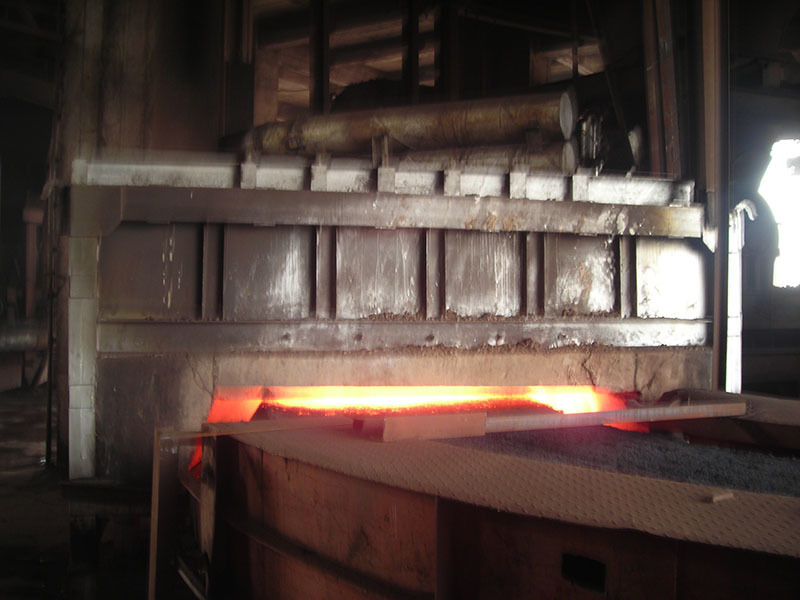
How to Optimize Your Processes with Metallurgical Combustion Equipment
Table of Contents
- 1. Introduction to Metallurgical Combustion Equipment
- 2. The Importance of Optimization in Industrial Processes
- 3. Types of Metallurgical Combustion Equipment
- 4. Key Optimization Techniques for Metallurgical Combustion
- 5. Enhancing Energy Efficiency
- 6. Monitoring and Control Systems
- 7. Case Studies: Successful Implementations
- 8. Frequently Asked Questions
- 9. Conclusion
1. Introduction to Metallurgical Combustion Equipment
Metallurgical combustion equipment plays a pivotal role in various industrial processes, particularly in metallurgy, material processing, and energy production. This equipment is designed to facilitate the efficient burning of fuels to generate heat for various applications, including melting, heating, and thermal treatment of materials. As industries strive for greater efficiency and lower operational costs, understanding how to optimize these processes becomes crucial. In this article, we will explore the best practices, technologies, and strategies to enhance the performance of metallurgical combustion equipment.
2. The Importance of Optimization in Industrial Processes
Optimization is not merely a trend but a necessity in today’s competitive industrial landscape. The primary benefits of optimizing metallurgical processes include:
2.1 Cost Reduction
By improving the efficiency of combustion systems, companies can significantly reduce fuel consumption and operational costs. This translates to a healthier bottom line.
2.2 Enhanced Productivity
Optimized equipment operates more reliably and consistently, leading to higher throughput and reduced downtime. This reliability is essential for maintaining production schedules and meeting customer demands.
2.3 Improved Safety
Inefficient combustion systems can pose safety risks, including the potential for explosions or hazardous emissions. Implementing optimization strategies mitigates these risks and promotes a safer work environment.
2.4 Environmental Compliance
As regulations around emissions tighten, optimizing combustion equipment helps industries comply with environmental standards, reducing penalties and enhancing their corporate image.
3. Types of Metallurgical Combustion Equipment
Understanding the different types of metallurgical combustion equipment is essential for identifying optimization opportunities. The primary categories include:
3.1 Furnaces
Furnaces are critical in metallurgy for melting metals and alloys. Various types exist, including induction, electric arc, and blast furnaces, each offering specific advantages.
3.2 Kilns
Kilns are used for calcining materials and are vital in processes like ceramics and cement production. Optimization in kilns often focuses on temperature control and combustion efficiency.
3.3 Burners
Burners, whether for furnaces or kilns, are essential components that mix fuel and air for efficient combustion. Advanced burner designs can greatly enhance performance and reduce emissions.
4. Key Optimization Techniques for Metallurgical Combustion
Several techniques can enhance the performance of metallurgical combustion equipment:
4.1 Combustion Tuning
Regularly tuning combustion systems ensures the proper fuel-to-air ratio, maximizing efficiency and minimizing emissions. This process involves adjusting burner settings based on real-time readings from combustion analyzers.
4.2 Temperature Profiling
Monitoring and adjusting temperature profiles within furnaces and kilns can lead to improved material quality and energy savings. Implementing advanced temperature sensors allows operators to maintain optimal conditions effectively.
4.3 Fuel Switching
Exploring alternative fuels can lower costs and emissions. Companies should evaluate the feasibility of using biomass or natural gas instead of traditional fuels.
5. Enhancing Energy Efficiency
Energy efficiency is a cornerstone of optimization in metallurgical processes. Here are several strategies to enhance energy efficiency in combustion equipment:
5.1 Heat Recovery Systems
Implementing heat recovery systems allows industries to reclaim waste heat from exhaust gases and use it to preheat incoming materials or fuel. This approach can significantly reduce overall energy consumption.
5.2 Insulation Upgrades
Improving insulation in furnaces and kilns minimizes heat loss, resulting in lower energy requirements for maintaining operational temperatures.
5.3 Automation and Control Systems
Investing in advanced automation systems can optimize the operation of combustion equipment by ensuring that it operates at peak conditions, adjusting variables in real-time based on demand and process requirements.
6. Monitoring and Control Systems
The implementation of sophisticated monitoring and control systems is vital in maintaining optimal operation conditions for metallurgical combustion equipment.
6.1 Real-Time Analytics
Using real-time analytics can provide operators with crucial insights into equipment performance, fuel consumption, and emissions. This information enables proactive adjustments to optimize efficiency.
6.2 Predictive Maintenance
Integrating predictive maintenance technologies allows for timely interventions that prevent equipment failures, thereby reducing downtime and enhancing overall productivity. This proactive approach relies on data analytics to forecast potential issues before they occur.
7. Case Studies: Successful Implementations
Examining successful case studies can provide insights into effective optimization strategies:
7.1 Case Study: Energy Recovery in a Steel Mill
A steel mill implemented a heat recovery system that re-circulated exhaust heat to preheat incoming air, resulting in a 15% reduction in fuel consumption and significant cost savings.
7.2 Case Study: Automation in a Ceramic Kiln
By upgrading to an automated control system, a ceramic manufacturer improved temperature uniformity and reduced energy use by 20%, significantly enhancing product quality.
8. Frequently Asked Questions
8.1 What is metallurgical combustion equipment?
Metallurgical combustion equipment refers to systems used to burn fuels for generating heat in processes such as melting and heating metals.
8.2 How can I improve the efficiency of my combustion equipment?
Improving efficiency can be achieved through combustion tuning, implementing heat recovery systems, and investing in advanced monitoring and control technologies.
8.3 What are the benefits of optimizing metallurgical processes?
The benefits include cost reduction, enhanced productivity, improved safety, and compliance with environmental regulations.
8.4 What types of fuels can be used in metallurgical combustion equipment?
Common fuels include natural gas, propane, diesel, and renewable options like biomass, which can reduce environmental impact.
8.5 How often should combustion systems be tuned?
Regular tuning is recommended, typically every 6 to 12 months, depending on usage and operational conditions.
9. Conclusion
Optimizing metallurgical combustion equipment is essential for maximizing efficiency, reducing costs, and ensuring safety in industrial processes. By implementing advanced technologies, enhancing energy efficiency, and utilizing effective monitoring systems, companies can significantly improve their operational performance. The path to optimization involves continuous learning and adaptation to new methods and technologies, ensuring that industries remain competitive in an ever-evolving landscape. Embracing these strategies not only benefits individual organizations but also contributes to a more sustainable future for the industrial sector.
PREVIOUS:

Contact Us
E-mail: yilin@cn-tsjsrs.com
Add: East side of Jingwu Road, Qian'an City, Hebei Province (within the modern equipment manufacturing industry cluster area)


Copyright © Tangshan Jinsha Combustion Heat Energy Co.,Ltd.