

Achieving Sustainable Heating Solutions: The Role of Pulverized Coal Hot Air Furnace Systems
Jun 03,2026
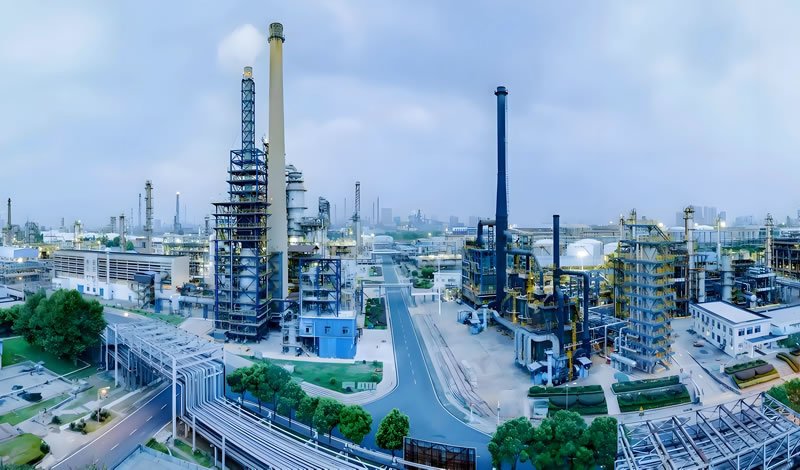
Achieving Sustainable Heating Solutions: The Role of Pulverized Coal Hot Air Furnace Systems
Table of Contents
- Introduction to Pulverized Coal Hot Air Furnace Systems
- The Importance of Sustainability in Heating Solutions
- Understanding Pulverized Coal Technology
- Benefits of Pulverized Coal Hot Air Furnace Systems
- Applications in Industrial Settings
- Efficiency and Performance of Pulverized Coal Systems
- Regulatory Compliance and Environmental Impact
- The Future of Pulverized Coal Hot Air Furnace Systems
- Conclusion
- Frequently Asked Questions
Introduction to Pulverized Coal Hot Air Furnace Systems
In today’s industrial landscape, the demand for efficient, reliable, and sustainable heating solutions is on the rise. One of the most innovative technologies that have emerged is the pulverized coal hot air furnace system. These systems utilize pulverized coal to generate hot air for various industrial processes, offering an alternative to traditional heating methods that are often less efficient and more environmentally taxing. In this article, we will delve into the workings of pulverized coal hot air furnace systems, their benefits, applications, and future prospects in the realm of sustainable heating solutions.
The Importance of Sustainability in Heating Solutions
As industries across the globe strive for greater sustainability, the need for effective heating solutions that minimize environmental impact has never been more crucial. Traditional heating methods, such as oil and natural gas, often lead to high emissions of greenhouse gases and other pollutants. Sustainable heating solutions not only address environmental concerns but also improve energy efficiency and reduce operational costs. By exploring the role of pulverized coal hot air furnace systems, we can better understand how such technologies contribute to a greener future.
Understanding Pulverized Coal Technology
Pulverized coal technology involves grinding coal into a fine powder, which is then burned to produce heat. The pulverization process increases the surface area of the coal, allowing for more efficient combustion. This technology has been used in various applications, from power generation to industrial heating. In hot air furnace systems, the pulverized coal is mixed with air and ignited, producing hot gases that are then utilized for heating purposes. This method not only enhances efficiency but also lowers emissions compared to traditional coal combustion methods.
The Process of Pulverization
The pulverization of coal is a critical step in maximizing heating efficiency. The coal is fed into a grinding mill, where it is crushed and ground into a fine powder. This process can be achieved through different methods, including ball mills, roller mills, and impact mills. Once pulverized, the coal is transported to the furnace where it is mixed with air and ignited.
Benefits of Pulverized Coal Hot Air Furnace Systems
Improved Efficiency
Pulverized coal hot air furnace systems are designed to maximize energy efficiency. The fine particle size of pulverized coal allows for more complete combustion, resulting in higher thermal efficiency. This efficiency translates to lower fuel consumption and reduced operational costs.
Lower Emissions
One of the significant advantages of using pulverized coal is the reduction in emissions. These systems are equipped with advanced combustion technologies that minimize the release of harmful pollutants, such as sulfur dioxide (SO2), nitrogen oxides (NOx), and particulate matter. As a result, industries can achieve compliance with environmental regulations while promoting a cleaner atmosphere.
Cost-Effectiveness
Pulverized coal remains one of the most cost-effective sources of energy, particularly in regions where coal is abundant. By utilizing this resource, industries can benefit from lower heating costs while maintaining high operational efficiency. Moreover, the long lifespan of pulverized coal systems further enhances their economic viability.
Applications in Industrial Settings
Pulverized coal hot air furnace systems are versatile and can be employed in various industrial applications. Some common uses include:
- Cement Manufacturing: The high-temperature heat generated from these systems is ideal for drying raw materials and facilitating chemical reactions in cement production.
- Food Processing: In the food industry, precise temperature control is vital. These systems provide consistent hot air for drying and cooking processes.
- Textile Processing: The textile industry utilizes hot air for drying fabrics and managing humidity levels during production.
- Metallurgical Processes: Pulverized coal systems are employed in various metallurgical processes that require high-temperature heating.
Efficiency and Performance of Pulverized Coal Systems
The efficiency of pulverized coal hot air furnace systems can be attributed to several factors:
- Advanced Combustion Technologies: Modern systems incorporate technologies such as staged combustion and flue gas recirculation, further enhancing efficiency and reducing emissions.
- Control Systems: Automated control systems allow for precise monitoring and adjustment of combustion parameters, ensuring optimal performance.
- Heat Recovery: Many systems are designed with heat recovery mechanisms that capture and reuse waste heat, leading to improved overall efficiency.
Regulatory Compliance and Environmental Impact
With increasing regulatory scrutiny surrounding emissions and environmental sustainability, industries must adhere to strict guidelines. Pulverized coal hot air furnace systems are designed to meet or exceed these regulatory requirements. Technologies such as scrubbers and filters are often integrated into these systems to capture harmful emissions before they are released into the atmosphere.
Additionally, the shift towards cleaner coal technologies is supported by various government incentives and funding opportunities aimed at reducing greenhouse gas emissions and promoting sustainable industrial practices.
The Future of Pulverized Coal Hot Air Furnace Systems
As industries continue to evolve, the future of pulverized coal hot air furnace systems looks promising. Advancements in technology will likely lead to even greater efficiencies and lower emissions. Research and development efforts are focusing on enhancing combustion technologies, improving heat recovery systems, and integrating renewable energy sources with traditional coal systems.
Moreover, as the global push for sustainability grows, there will be increased opportunities for industries to invest in and adopt these innovative heating solutions, solidifying pulverized coal’s role in a sustainable energy future.
Conclusion
Pulverized coal hot air furnace systems stand at the forefront of sustainable heating solutions, providing industries with efficient, cost-effective, and environmentally friendly options. With the ability to lower emissions, enhance operational efficiency, and comply with stringent regulations, these systems are poised to play a vital role in the future of industrial heating. As we continue to seek sustainable alternatives in the fight against climate change, the adoption of advanced technologies like pulverized coal will be essential in reshaping the heating landscape.
Frequently Asked Questions
1. What is a pulverized coal hot air furnace system?
A pulverized coal hot air furnace system is a heating system that burns finely ground coal mixed with air to generate hot air for various industrial applications.
2. How does pulverization improve coal combustion?
Pulverization increases the surface area of coal, allowing for more efficient combustion and higher thermal efficiency.
3. What are the environmental benefits of using pulverized coal systems?
Pulverized coal systems produce lower emissions of harmful pollutants compared to traditional combustion methods, making them more environmentally friendly and compliant with regulations.
4. In which industries are pulverized coal hot air furnace systems commonly used?
These systems are widely used in industries such as cement manufacturing, food processing, textile processing, and metallurgy.
5. What advancements can we expect in pulverized coal technology in the future?
Future advancements may include improved combustion technologies, enhanced heat recovery systems, and integration with renewable energy sources to further reduce emissions and increase efficiency.
PREVIOUS:

Contact Us
E-mail: yilin@cn-tsjsrs.com
Add: East side of Jingwu Road, Qian'an City, Hebei Province (within the modern equipment manufacturing industry cluster area)


Copyright © Tangshan Jinsha Combustion Heat Energy Co.,Ltd.