

Sealed Rotary Kiln Reactor Systems: Key Features to Look For
Jun 11,2026
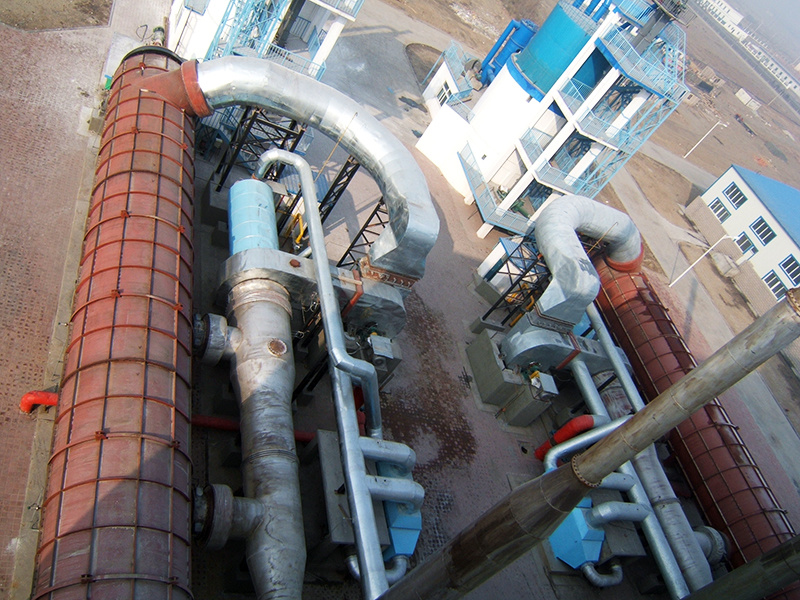
Sealed Rotary Kiln Reactor Systems: Key Features to Look For
Table of Contents
- 1. Introduction to Sealed Rotary Kiln Reactor Systems
- 2. Importance of Sealed Rotary Kiln Reactors in Industrial Applications
- 3. Key Features of Sealed Rotary Kiln Reactor Systems
- 3.1 Design and Construction
- 3.2 Functionality and Performance
- 3.3 Automation and Control Systems
- 3.4 Material Compatibility
- 3.5 Maintenance and Durability
- 4. Benefits of Using Sealed Rotary Kiln Reactors
- 5. Considerations for Selecting a Sealed Rotary Kiln Reactor
- 6. Applications of Sealed Rotary Kiln Reactor Systems
- 7. Frequently Asked Questions
- 8. Conclusion
1. Introduction to Sealed Rotary Kiln Reactor Systems
Sealed rotary kiln reactor systems play a vital role in various industrial processes, particularly in the fields of material processing, chemical manufacturing, and energy production. These systems provide a controlled environment for conducting high-temperature reactions while minimizing heat and material losses. As technology evolves, understanding the key features of sealed rotary kiln reactors becomes essential for optimizing performance and ensuring efficiency in industrial applications.
2. Importance of Sealed Rotary Kiln Reactors in Industrial Applications
The significance of sealed rotary kiln reactors stems from their unique ability to facilitate complex chemical reactions under controlled conditions. These reactors are crucial in industries such as cement production, metallurgy, and waste management. The sealed design offers several advantages, including reduced emissions, improved product quality, and enhanced energy efficiency. By maintaining an airtight environment, sealed rotary kiln reactors prevent contamination and promote uniform heating, leading to superior process outcomes.
3. Key Features of Sealed Rotary Kiln Reactor Systems
When selecting a sealed rotary kiln reactor system, certain features stand out as essential components that directly affect performance and efficiency.
3.1 Design and Construction
The design and construction of a sealed rotary kiln reactor are fundamental to its effectiveness. These systems are typically constructed from high-grade materials that can withstand extreme temperatures and corrosive environments. The design should also incorporate insulation to minimize heat loss, which contributes to energy efficiency. Additionally, the configuration of the kiln, including its diameter and length, should be tailored to the specific application to optimize flow patterns and reaction kinetics.
3.2 Functionality and Performance
Functionality relates to how well the reactor performs its intended tasks. A high-performing sealed rotary kiln reactor should provide consistent temperature control, efficient heat transfer, and effective material handling. Advanced heat exchange technology can enhance functionality by ensuring uniform heating throughout the reaction chamber. Furthermore, the reactor should be capable of accommodating varying feedstocks and adjusting to process changes seamlessly.
3.3 Automation and Control Systems
Modern sealed rotary kiln reactors often come equipped with advanced automation and control systems that enhance operational efficiency. These systems allow for real-time monitoring and adjustment of critical parameters such as temperature, pressure, and material feed rates. Automation not only reduces the likelihood of human error but also optimizes the overall process, leading to higher yields and reduced operational costs.
3.4 Material Compatibility
Material compatibility is a crucial feature of sealed rotary kiln reactors. The reactor must be able to handle the specific materials being processed, including their chemical properties and physical characteristics. Understanding the interaction between the materials and the reactor components helps prevent corrosion and wear, thereby extending the lifespan of the equipment. Moreover, using materials that are resistant to high temperatures and corrosion is essential for maintaining system integrity over time.
3.5 Maintenance and Durability
Maintenance is a critical aspect of any industrial system, and sealed rotary kiln reactors are no exception. The durability of the system is directly linked to its design, materials, and construction quality. Regular maintenance checks should be part of the operational protocol to ensure that all components are functioning optimally. Features such as easy access points for inspection and cleaning can significantly enhance maintenance efficiency, reducing downtime and extending the life of the reactor.
4. Benefits of Using Sealed Rotary Kiln Reactors
The implementation of sealed rotary kiln reactor systems offers numerous benefits that significantly impact productivity and operational efficiency.
- **Environmental Benefits**: By minimizing emissions and preventing contamination, sealed rotary kilns contribute to a cleaner environment. This is particularly important in industries with stringent regulatory requirements concerning air quality and waste management.
- **Energy Efficiency**: The insulated design of sealed rotary kilns reduces heat loss, leading to lower energy consumption. This efficiency translates into cost savings, making it a financially viable option for businesses.
- **Product Quality**: The ability to control reaction conditions closely leads to consistent product quality. This is crucial for industries where product specifications must meet strict standards.
- **Versatility**: Sealed rotary kilns can be adapted to various applications, making them suitable for a wide range of materials and processes. Whether dealing with waste materials or raw inputs, these reactors can provide tailored solutions.
5. Considerations for Selecting a Sealed Rotary Kiln Reactor
Choosing the right sealed rotary kiln reactor requires careful consideration of several factors:
- **Process Requirements**: Understand the specific processes you intend to run in the reactor. This includes the types of materials, desired reaction temperatures, and throughput requirements.
- **Budget**: Determine the budget available for the acquisition and installation of the reactor. While it can be tempting to choose the most advanced system, ensure it aligns with your operational needs and financial capabilities.
- **Space Availability**: Assess the physical space where the reactor will be installed. Ensure that the dimensions of the kiln, along with any auxiliary systems, fit within your operational layout.
- **Supplier Reputation**: Research potential suppliers for their experience and the quality of their products. A reputable supplier can provide valuable insights and support throughout the installation and maintenance processes.
6. Applications of Sealed Rotary Kiln Reactor Systems
Sealed rotary kiln reactors find applications across various industries, including:
- **Cement Manufacturing**: In cement production, these reactors are used for the calcination process, where limestone is converted into lime, a key ingredient in cement.
- **Metallurgical Processes**: Sealed rotary kilns are utilized for the reduction of metal ores, allowing for efficient extraction of valuable metals while minimizing energy consumption.
- **Waste Treatment**: In waste management, sealed rotary kilns are employed to safely process hazardous waste materials, converting them into inert forms while recovering energy.
- **Chemical Production**: Various chemical reactions, such as pyrolysis and gasification, can be efficiently conducted in sealed rotary kiln reactors, enabling the production of valuable chemicals from organic materials.
7. Frequently Asked Questions
What is a sealed rotary kiln reactor?
A sealed rotary kiln reactor is a type of industrial equipment designed to conduct high-temperature reactions in a controlled, airtight environment, minimizing heat loss and contamination.
What are the main advantages of sealed rotary kilns?
Sealed rotary kilns offer numerous advantages, including reduced emissions, improved energy efficiency, consistent product quality, and versatility across various applications.
How does temperature control work in sealed rotary kilns?
Temperature control in sealed rotary kilns is managed through advanced automation systems that monitor and adjust heating elements to maintain desired reaction conditions.
What materials can be processed in sealed rotary kilns?
Sealed rotary kilns can process a wide range of materials, including natural ores, chemical feedstocks, and waste materials, depending on the specific configuration.
What maintenance practices are recommended for sealed rotary kilns?
Regular inspections, cleaning, and monitoring of critical components are essential for maintaining the performance and longevity of sealed rotary kilns.
8. Conclusion
Sealed rotary kiln reactor systems are indispensable tools in various industrial processes, offering a combination of efficiency, versatility, and environmental responsibility. By understanding the key features, benefits, and selection criteria for these systems, businesses can make informed decisions that enhance their operational capabilities. As industries continue to evolve, the role of sealed rotary kilns will remain central to achieving sustainable and efficient processing solutions.
PREVIOUS:

Contact Us
E-mail: yilin@cn-tsjsrs.com
Add: East side of Jingwu Road, Qian'an City, Hebei Province (within the modern equipment manufacturing industry cluster area)


Copyright © Tangshan Jinsha Combustion Heat Energy Co.,Ltd.