

Comparative Analysis: Non-Standard vs. Standard Combustion Systems in Industry
Jun 18,2026
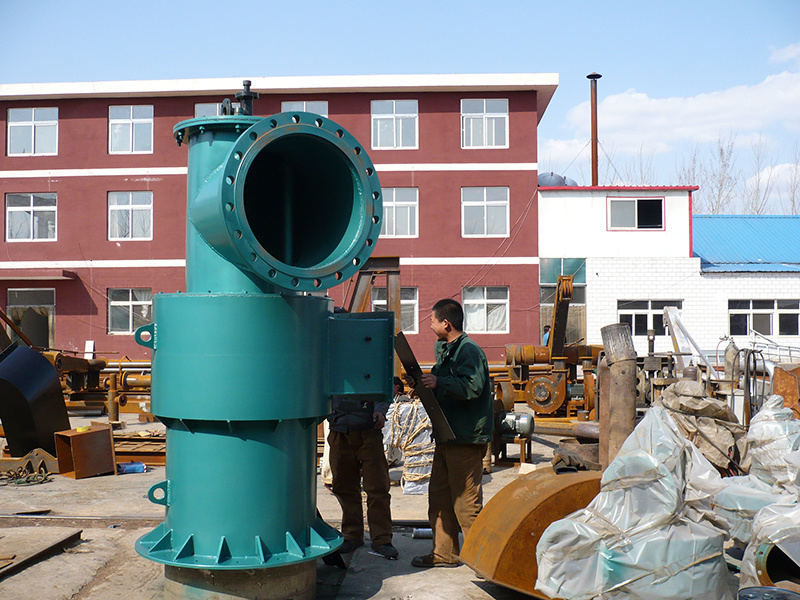
Comparative Analysis: Non-Standard vs. Standard Combustion Systems in Industry
Table of Contents
- 1. Introduction to Combustion Systems in Industrial Applications
- 2. Understanding Standard Combustion Systems
- 3. Exploring Non-Standard Combustion Systems
- 4. Key Differences Between Standard and Non-Standard Combustion Systems
- 5. Operational Efficiency: A Comparative Perspective
- 6. Economic Considerations in Choosing Combustion Systems
- 7. Environmental Impact of Combustion Systems
- 8. Future Trends in Combustion Technology
- 9. Conclusion
- 10. FAQs
1. Introduction to Combustion Systems in Industrial Applications
In the contemporary industrial landscape, **combustion systems** play a pivotal role in various processes, from energy generation to manufacturing. Understanding the differences between **standard** and **non-standard combustion systems** is essential for selecting the right technology for specific applications. This article provides an in-depth comparative analysis, focusing on operational efficiency, economic impact, environmental considerations, and future trends in combustion technology.
2. Understanding Standard Combustion Systems
**Standard combustion systems** are widely adopted in industries due to their reliability and proven efficiency. These systems typically adhere to established industry standards, ensuring compatibility, safety, and predictability of performance.
Key Components of Standard Combustion Systems
Standard systems generally include:
- **Burners** designed for specific fuels.
- **Heat exchangers** that optimize thermal efficiency.
- **Control systems** that regulate fuel and air mix for optimal combustion.
- **Emissions control technologies** that minimize pollutants.
Advantages of Standard Combustion Systems
- **Proven Technology:** Standard systems have a track record of reliability and efficiency.
- **Ease of Maintenance:** Parts and components are widely available, easing repair and maintenance efforts.
- **Regulatory Compliance:** Easier to comply with industry regulations and standards.
3. Exploring Non-Standard Combustion Systems
Non-standard combustion systems are characterized by their customized designs tailored to specific industrial applications. These systems may use innovative technologies that deviate from traditional standards.
Unique Features of Non-Standard Combustion Systems
- **Adaptive Technology:** Designed to meet unique process requirements, offering flexibility in fuel types and operating conditions.
- **Advanced Control Systems:** Incorporate cutting-edge algorithms and sensors for real-time optimization of combustion processes.
- **Energy Recovery Solutions:** Often include mechanisms for recovering excess heat, enhancing overall system efficiency.
Advantages of Non-Standard Combustion Systems
- **Tailored Performance:** Customization allows for performance optimization that can lead to significant efficiency gains.
- **Innovation Potential:** More room for innovation and integration of emerging technologies.
- **Potential for Reduced Emissions:** Advanced designs can lead to lower emissions, depending on the application.
4. Key Differences Between Standard and Non-Standard Combustion Systems
Understanding the contrasts between these two types of systems is crucial in making informed decisions in industrial applications.
Flexibility vs. Standardization
Standard systems are designed for uniformity, making them easier to implement across various facilities. Non-standard systems prioritize flexibility, allowing adaptation to specific processes and environmental conditions.
Cost Implications
While standard systems may be less expensive upfront, non-standard systems can provide long-term savings through enhanced efficiency and lower operational costs. However, the initial investment in non-standard systems can be higher due to customization.
Performance Metrics
Standard systems provide predictable performance metrics based on established benchmarks. In contrast, non-standard systems may offer superior performance in specific scenarios, albeit with variability due to their customized nature.
5. Operational Efficiency: A Comparative Perspective
Operational efficiency is a primary concern for industries relying on combustion systems.
Efficiency of Standard Systems
Standard combustion systems often demonstrate reliable efficiency ratings based on extensive testing and historical data. These systems are optimized for general use, making them effective for a wide range of applications.
Efficiency of Non-Standard Systems
Non-standard systems can reach higher efficiency levels tailored to specific processes. For example, industries with unique fuel characteristics or operational requirements may find non-standard systems more advantageous.
6. Economic Considerations in Choosing Combustion Systems
When selecting a combustion system, economic factors play a vital role in the decision-making process.
Initial Investment vs. Long-Term Savings
Standard systems typically require lower initial investments, while non-standard systems may incur higher costs due to customization. However, industries should evaluate **total cost of ownership** including operational expenses, maintenance, and energy consumption over time.
Return on Investment (ROI)
Calculating the ROI of combustion systems involves examining efficiency gains against the upfront costs. Non-standard systems may offer quicker ROI in applications where efficiency translates to substantial energy savings.
7. Environmental Impact of Combustion Systems
With increasing emphasis on sustainability, understanding the environmental impacts of combustion systems is crucial.
Emissions from Standard Systems
Standard combustion systems are designed to meet regulatory emissions standards; however, they may still produce significant emissions depending on the fuel used.
Emissions from Non-Standard Systems
Non-standard systems often incorporate advanced technologies that can reduce emissions more effectively. By utilizing **alternative fuels** and optimizing combustion processes, these systems can help industries meet stringent environmental regulations.
8. Future Trends in Combustion Technology
As industries evolve, so do combustion technologies.
Integration of Renewable Energy
The future of combustion systems will likely involve integration with renewable energy sources. Non-standard systems are better positioned to adapt to such innovations, potentially utilizing biofuels or hydrogen.
Advancements in Control Systems
Continued improvements in automation and control systems will lead to enhanced performance in both standard and non-standard systems, facilitating real-time adjustments for optimal efficiency.
9. Conclusion
In summary, the choice between standard and non-standard combustion systems hinges on specific industrial needs, economic considerations, and environmental goals. While standard systems offer reliability and established performance metrics, non-standard systems provide the flexibility and innovation necessary to address unique challenges. As industries continue to seek greater efficiency and sustainability, understanding these differences will empower decision-makers to select the most suitable combustion technology for their applications.
10. FAQs
1. What are the primary differences between standard and non-standard combustion systems?
The primary differences lie in flexibility, cost, and performance metrics. Standard systems are uniform and predictable, while non-standard systems are customized for specific needs.
2. Are non-standard combustion systems more expensive?
Yes, non-standard systems generally have higher initial costs due to customization, but they may offer long-term savings through increased efficiency.
3. How do emissions compare between standard and non-standard systems?
Non-standard systems often have the potential to produce lower emissions due to advanced technologies that optimize combustion processes.
4. What factors should I consider when choosing a combustion system?
Consider initial investment, operational efficiency, maintenance costs, emissions, and environmental regulations.
5. Will the future of combustion systems focus on renewable energy?
Yes, the integration of renewable energy sources is anticipated to be a significant trend in the evolution of combustion technologies, especially for non-standard systems.
PREVIOUS:

Contact Us
E-mail: yilin@cn-tsjsrs.com
Add: East side of Jingwu Road, Qian'an City, Hebei Province (within the modern equipment manufacturing industry cluster area)


Copyright © Tangshan Jinsha Combustion Heat Energy Co.,Ltd.