

Understanding Hot Air Furnace Systems: A Comprehensive Overview
Jun 17,2026
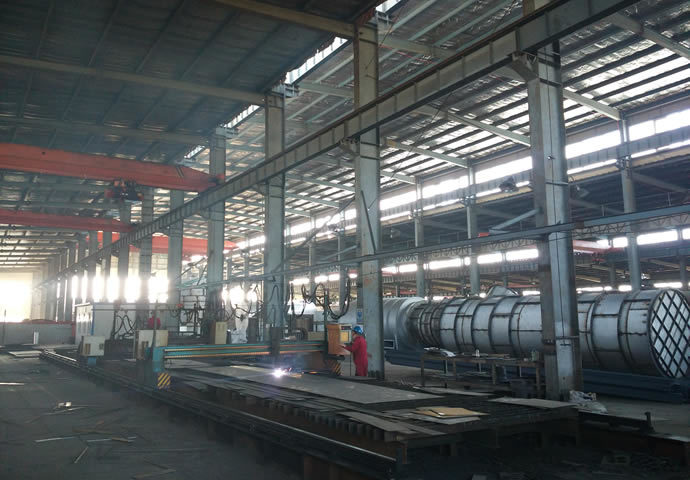
Hot air furnace systems are crucial components in various industrial processes. They provide a reliable means of generating and distributing heated air for a variety of applications. Understanding the fundamentals of these systems can help optimize their performance and ensure they operate efficiently.
At their core, hot air furnace systems work by heating air and then circulating it through ductwork to reach various areas that require warmth. This type of heating is particularly beneficial in large facilities, warehouses, or manufacturing plants where maintaining a consistent temperature is vital. The systems can be powered by different fuel sources, including natural gas, propane, or electricity, making them versatile for different operational needs.
One of the key advantages of a hot air furnace system is its ability to quickly raise the temperature of large spaces. The heated air can effectively reach desired temperatures in a short time, which is essential during colder months or in environments where temperature control is critical. Additionally, these systems can often be easily integrated with existing HVAC infrastructure, allowing for a seamless upgrade or replacement process.
Another important aspect to consider is the efficiency of hot air furnace systems. Regular maintenance is essential to keep these systems operating at peak performance. This includes cleaning or replacing filters, checking ductwork for leaks, and ensuring that the heating elements are functioning correctly. Proper maintenance not only helps in maintaining energy efficiency but also extends the lifespan of the equipment, reducing the need for costly repairs or replacements.
In terms of applications, hot air furnace systems are used in various industries, including manufacturing, agriculture, and even in some commercial settings. For example, in agricultural settings, these systems can help maintain optimal growing conditions for plants by providing necessary warmth. In manufacturing, they can facilitate processes that require specific temperature ranges to ensure product quality and consistency.
When selecting a hot air furnace system, it's crucial to consider factors such as the size of the area to be heated, the type of fuel available, and the specific heating requirements of your process. Consulting with experts in the field can provide valuable insights into the best options tailored to individual needs.
In summary, hot air furnace systems play a significant role in industrial heating solutions. By understanding their features, applications, and maintenance needs, businesses can make informed decisions that enhance operational efficiency while keeping energy costs in check.
At their core, hot air furnace systems work by heating air and then circulating it through ductwork to reach various areas that require warmth. This type of heating is particularly beneficial in large facilities, warehouses, or manufacturing plants where maintaining a consistent temperature is vital. The systems can be powered by different fuel sources, including natural gas, propane, or electricity, making them versatile for different operational needs.
One of the key advantages of a hot air furnace system is its ability to quickly raise the temperature of large spaces. The heated air can effectively reach desired temperatures in a short time, which is essential during colder months or in environments where temperature control is critical. Additionally, these systems can often be easily integrated with existing HVAC infrastructure, allowing for a seamless upgrade or replacement process.
Another important aspect to consider is the efficiency of hot air furnace systems. Regular maintenance is essential to keep these systems operating at peak performance. This includes cleaning or replacing filters, checking ductwork for leaks, and ensuring that the heating elements are functioning correctly. Proper maintenance not only helps in maintaining energy efficiency but also extends the lifespan of the equipment, reducing the need for costly repairs or replacements.
In terms of applications, hot air furnace systems are used in various industries, including manufacturing, agriculture, and even in some commercial settings. For example, in agricultural settings, these systems can help maintain optimal growing conditions for plants by providing necessary warmth. In manufacturing, they can facilitate processes that require specific temperature ranges to ensure product quality and consistency.
When selecting a hot air furnace system, it's crucial to consider factors such as the size of the area to be heated, the type of fuel available, and the specific heating requirements of your process. Consulting with experts in the field can provide valuable insights into the best options tailored to individual needs.
In summary, hot air furnace systems play a significant role in industrial heating solutions. By understanding their features, applications, and maintenance needs, businesses can make informed decisions that enhance operational efficiency while keeping energy costs in check.
PREVIOUS:

Contact Us
E-mail: yilin@cn-tsjsrs.com
Add: East side of Jingwu Road, Qian'an City, Hebei Province (within the modern equipment manufacturing industry cluster area)


Copyright © Tangshan Jinsha Combustion Heat Energy Co.,Ltd.