

Understanding Metallurgical Combustion Equipment: Essential Insights for Industrial Applications
Jul 27,2026
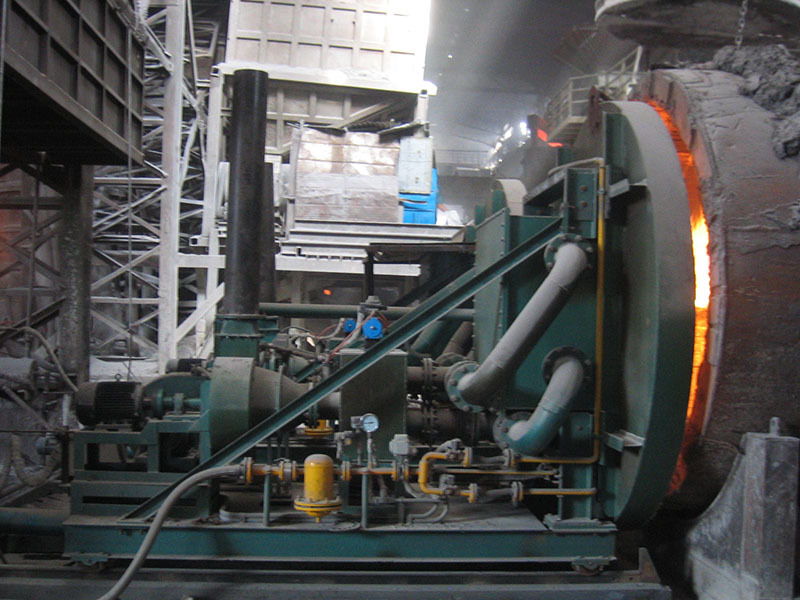
Metallurgical combustion equipment plays an essential role in various industrial applications, particularly in the heating processes required for metallurgical operations. This type of equipment is specifically designed to generate and manage high-temperature environments necessary for melting, alloying, and processing metals. Understanding the intricacies of metallurgical combustion equipment is vital for professionals looking to optimize their operations and enhance efficiency.
One of the primary functions of metallurgical combustion equipment is to ensure precise control over the combustion process. This involves the careful regulation of fuel and air mixtures to achieve optimal combustion efficiency. Properly calibrated equipment can lead to significant energy savings and reduced emissions, which are critical considerations in today's environmentally conscious industrial landscape.
Moreover, metallurgical combustion equipment is often integrated with advanced monitoring systems. These systems offer real-time data on temperature, pressure, and combustion quality, enabling operators to make informed decisions and adjustments. The integration of such technology not only enhances safety but also contributes to overall operational efficiency.
When selecting metallurgical combustion equipment, it is essential to consider various factors, including the type of metallurgical process, the specific materials involved, and the desired temperature ranges. Equipment must be tailored to meet the unique demands of each application, ensuring that it provides consistent performance and reliability. Additionally, understanding the combustion characteristics of different fuels is crucial, as this can significantly affect the efficiency and output of the equipment.
Maintenance and regular inspections are also key components to ensure the longevity and optimal performance of metallurgical combustion equipment. Establishing a comprehensive maintenance schedule helps prevent unexpected downtimes and costly repairs. Operators should be trained to recognize early signs of wear or malfunction, which can lead to more significant issues if not addressed promptly.
Furthermore, advancements in technology are continuously shaping the future of metallurgical combustion equipment. Innovations in materials science and combustion techniques are leading to more efficient, environmentally friendly options. Staying updated on these trends is beneficial for professionals in the industry, as it allows them to make informed decisions regarding equipment upgrades and replacements.
In summary, understanding the role and functionality of metallurgical combustion equipment is vital for professionals in the industrial sector. By focusing on efficiency, maintenance, and the latest technological advancements, businesses can improve their operational performance and sustainability in metallurgical processes. Whether you're managing a manufacturing facility or involved in process optimization, investing time in understanding this specialized equipment can yield significant benefits.
One of the primary functions of metallurgical combustion equipment is to ensure precise control over the combustion process. This involves the careful regulation of fuel and air mixtures to achieve optimal combustion efficiency. Properly calibrated equipment can lead to significant energy savings and reduced emissions, which are critical considerations in today's environmentally conscious industrial landscape.
Moreover, metallurgical combustion equipment is often integrated with advanced monitoring systems. These systems offer real-time data on temperature, pressure, and combustion quality, enabling operators to make informed decisions and adjustments. The integration of such technology not only enhances safety but also contributes to overall operational efficiency.
When selecting metallurgical combustion equipment, it is essential to consider various factors, including the type of metallurgical process, the specific materials involved, and the desired temperature ranges. Equipment must be tailored to meet the unique demands of each application, ensuring that it provides consistent performance and reliability. Additionally, understanding the combustion characteristics of different fuels is crucial, as this can significantly affect the efficiency and output of the equipment.
Maintenance and regular inspections are also key components to ensure the longevity and optimal performance of metallurgical combustion equipment. Establishing a comprehensive maintenance schedule helps prevent unexpected downtimes and costly repairs. Operators should be trained to recognize early signs of wear or malfunction, which can lead to more significant issues if not addressed promptly.
Furthermore, advancements in technology are continuously shaping the future of metallurgical combustion equipment. Innovations in materials science and combustion techniques are leading to more efficient, environmentally friendly options. Staying updated on these trends is beneficial for professionals in the industry, as it allows them to make informed decisions regarding equipment upgrades and replacements.
In summary, understanding the role and functionality of metallurgical combustion equipment is vital for professionals in the industrial sector. By focusing on efficiency, maintenance, and the latest technological advancements, businesses can improve their operational performance and sustainability in metallurgical processes. Whether you're managing a manufacturing facility or involved in process optimization, investing time in understanding this specialized equipment can yield significant benefits.
PREVIOUS:

Contact Us
E-mail: yilin@cn-tsjsrs.com
Add: East side of Jingwu Road, Qian'an City, Hebei Province (within the modern equipment manufacturing industry cluster area)


Copyright © Tangshan Jinsha Combustion Heat Energy Co.,Ltd.