

Understanding Industrial Burner Management Systems: Essential Components for Safe and Efficient Operations
Nov 10,2026
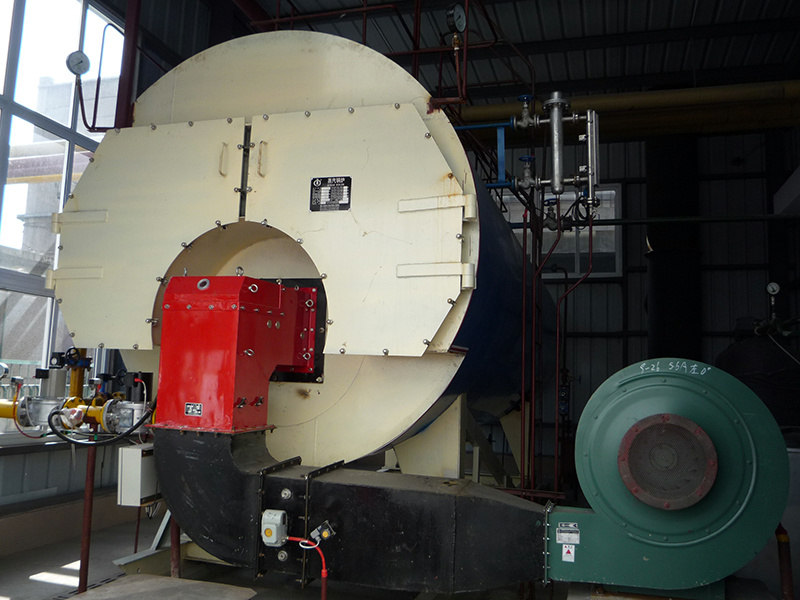
Industrial burner management systems (BMS) are vital components in ensuring the safe and efficient operation of combustion equipment in various industrial settings. These systems are designed to monitor and control the burners used in processes such as heating, melting, and curing, which are common in the casting and heat treatment industries. The primary purpose of a BMS is to minimize the risk of accidents while optimizing performance, making it an essential aspect of industrial equipment.
One of the key functions of an industrial burner management system is to ensure the safe startup, operation, and shutdown of the burner. This involves a series of checks and controls that prevent hazardous situations, such as gas leaks or uncontrolled flame conditions. The BMS continuously monitors the burner’s status and responds to any anomalies, ensuring that safety interlocks are in place to deactivate the burner if necessary. This proactive approach significantly reduces the risk of explosions or fires, safeguarding both personnel and equipment.
A typical industrial BMS comprises several essential components, including flame detectors, gas valves, control panels, and safety relays. Flame detectors play a crucial role in identifying the presence or absence of a flame, providing real-time data to the control system. If a flame is not detected when it should be, the BMS can automatically close the gas valves to prevent gas from escaping, effectively mitigating the risk of an explosion.
Gas valves are another critical component, responsible for controlling the flow of fuel to the burner. These valves must operate reliably and be compatible with the BMS to ensure seamless integration. Additionally, the control panel serves as the central hub for system operation, allowing operators to monitor performance metrics and receive alerts about any potential issues.
Additionally, implementing an industrial burner management system can lead to enhanced fuel efficiency. By optimizing the combustion process and ensuring that the burners operate at peak performance, companies can reduce fuel consumption and lower operational costs. This efficiency not only benefits the bottom line but also contributes to a more sustainable operation by minimizing environmental impact.
In summary, industrial burner management systems are essential for safe and efficient operations in industries that rely on combustion technologies, such as casting and heat treatment. By integrating advanced monitoring and control mechanisms, these systems play a crucial role in enhancing safety, optimizing fuel usage, and ultimately contributing to the overall efficiency of industrial processes. Investing in a reliable BMS is a strategic decision that can lead to significant improvements in safety and operational performance.
PREVIOUS:

Contact Us
E-mail: yilin@cn-tsjsrs.com
Add: East side of Jingwu Road, Qian'an City, Hebei Province (within the modern equipment manufacturing industry cluster area)


Copyright © Tangshan Jinsha Combustion Heat Energy Co.,Ltd.