

Innovative Heating Solutions: The Future of Metallurgical Combustion Equipment
Dec 10,2025
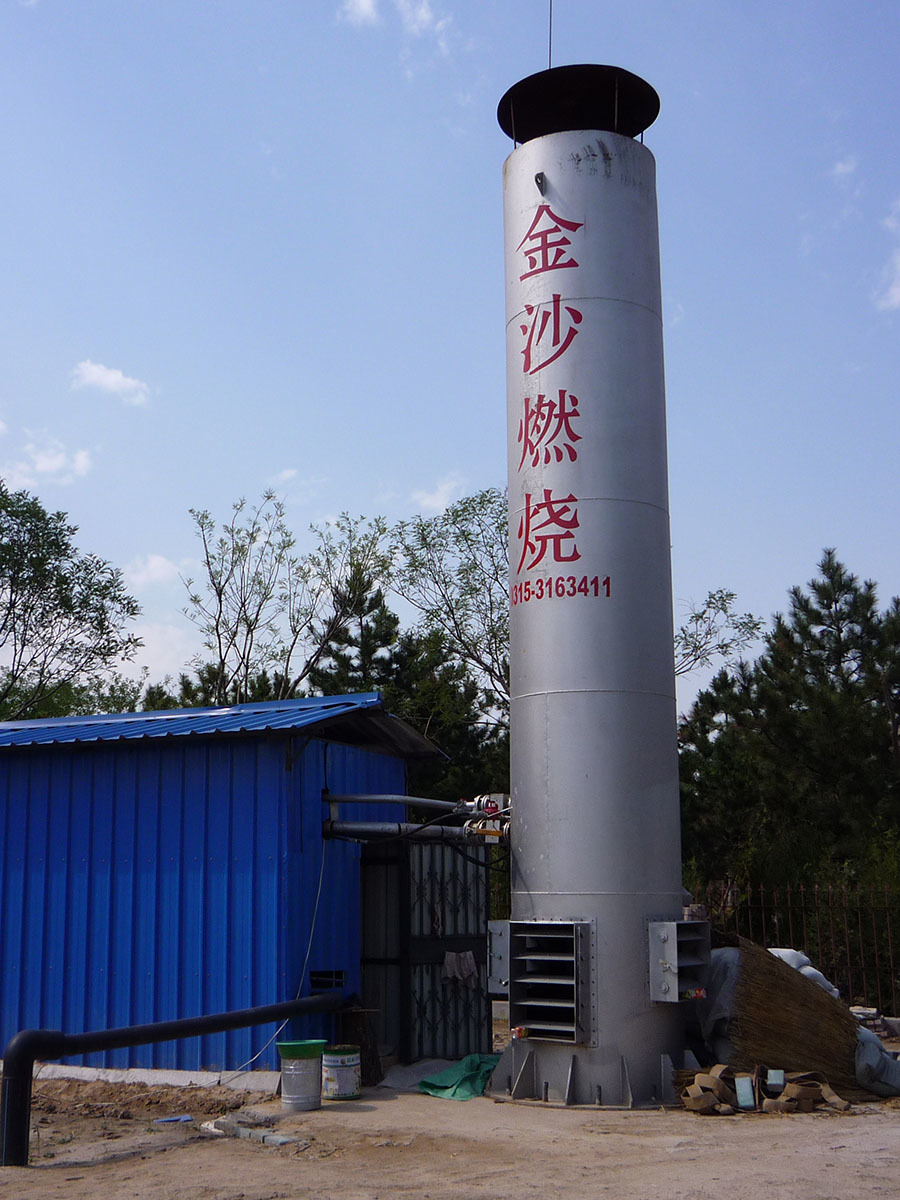
Innovative Heating Solutions: The Future of Metallurgical Combustion Equipment
Table of Contents
- 1. Introduction to Metallurgical Combustion Equipment
- 2. Importance of Innovative Heating Solutions in Industries
- 3. Current Technologies in Metallurgical Combustion
- 4. Emerging Trends in Heating Solutions
- 5. Case Studies: Innovative Heating Solutions in Action
- 6. Future Prospects of Metallurgical Combustion Equipment
- 7. Challenges in Implementing Innovative Heating Solutions
- 8. FAQs about Metallurgical Combustion Equipment
- 9. Conclusion
1. Introduction to Metallurgical Combustion Equipment
Metallurgical combustion equipment plays a crucial role in various industrial processes, especially in metallurgy and material processing. These systems are designed to generate heat efficiently and effectively, facilitating the melting, forging, and treatment of metals. As industries evolve, the demand for innovative heating solutions has surged, pushing manufacturers to develop more advanced and sustainable combustion technologies. This article explores the latest innovations in metallurgical heating solutions, focusing on their impact on operational efficiency and environmental sustainability.
2. Importance of Innovative Heating Solutions in Industries
The significance of innovative heating solutions cannot be overstated. As industries face increasing pressure to reduce their carbon footprint and improve energy efficiency, the introduction of advanced metallurgical combustion equipment becomes essential. These solutions not only enhance productivity but also contribute to a safer working environment and compliance with stringent environmental regulations. By adopting innovative heating technologies, companies can achieve:
- **Improved Energy Efficiency**: Reducing energy consumption leads to lower operational costs.
- **Enhanced Productivity**: Faster heating processes minimize downtime.
- **Sustainability**: Eco-friendly technologies contribute to a greener planet.
- **Safety**: Automated systems reduce the risk of human error in high-temperature environments.
3. Current Technologies in Metallurgical Combustion
Today's metallurgical combustion equipment employs a variety of technologies designed to optimize heat generation and transfer. Key technologies include:
3.1. Direct Flame Heating
This method utilizes direct combustion to generate heat. It is commonly used in furnaces and forges, providing rapid temperature increases suitable for various metallurgical applications.
3.2. Induction Heating
Induction heating technology uses electromagnetic fields to generate heat within the metal itself. This method is known for its energy efficiency and precision, making it an ideal choice for applications requiring controlled heating.
3.3. Radiant Heating
Radiant heating systems emit infrared radiation to heat materials. This method is particularly effective in processes where uniform heating is crucial, such as in the treatment of metals.
3.4. Hot Air Heating
Hot air heating systems circulate heated air to warm materials. This method is often used in drying processes and can be integrated with heat recovery systems for enhanced efficiency.
4. Emerging Trends in Heating Solutions
As industries continue to evolve, several trends are shaping the future of metallurgical combustion equipment. Key trends include:
4.1. Sustainability in Heating Technologies
Sustainability is a driving force behind the development of new heating technologies. Manufacturers are increasingly focusing on creating systems that reduce emissions and utilize renewable energy sources. Innovations such as biofuels and waste heat recovery systems are gaining traction, contributing to significant reductions in carbon footprints.
4.2. Automation and Smart Technologies
The integration of automation and smart technologies into heating solutions is revolutionizing the industry. Advanced control systems enable real-time monitoring and adjustments, optimizing performance and energy use. Furthermore, predictive maintenance powered by IoT (Internet of Things) technology allows for proactive management of equipment, reducing downtime and maintenance costs.
5. Case Studies: Innovative Heating Solutions in Action
Examining real-world applications of innovative heating solutions provides valuable insights into their effectiveness.
5.1. Case Study: Automotive Manufacturing
In automotive manufacturing, companies have successfully implemented induction heating systems to improve the forging process. By transitioning to induction heating, one major manufacturer reduced energy consumption by 30% while enhancing the quality of their products.
5.2. Case Study: Steel Production
A steel production facility adopted a radiant heating system, significantly improving their heating uniformity. As a result, the facility experienced a 25% increase in production rates and reduced scrap rates, showcasing the advantages of modern heating technologies.
6. Future Prospects of Metallurgical Combustion Equipment
Looking ahead, the future of metallurgical combustion equipment is promising. We anticipate several key developments:
- **Integration of Artificial Intelligence**: AI will enable sophisticated analysis and optimization of heating processes, further enhancing efficiency.
- **Advancements in Materials**: The development of new materials with higher heat resistance and conductivity will improve the performance of heating equipment.
- **Global Standards and Regulations**: Stricter global standards will drive manufacturers to innovate continuously, ensuring compliance and sustainability.
7. Challenges in Implementing Innovative Heating Solutions
While the benefits of innovative heating solutions are clear, several challenges remain:
7.1. Initial Investment Costs
The upfront costs associated with upgrading or replacing existing systems can be a significant barrier for many companies. However, the long-term savings often justify the initial expenditure.
7.2. Training and Skill Development
Implementing advanced heating technologies often requires specialized skills. Companies must invest in training their workforce to manage and operate new systems effectively.
8. FAQs about Metallurgical Combustion Equipment
8.1. What are the advantages of induction heating over traditional methods?
Induction heating offers improved energy efficiency, faster heating times, and greater precision in temperature control compared to traditional heating methods.
8.2. How does radiant heating improve product quality?
Radiant heating provides uniform heat distribution, reducing the risk of hot spots and ensuring more consistent material properties.
8.3. Are there environmentally friendly heating solutions available?
Yes, innovative technologies such as waste heat recovery and the use of biofuels are making heating solutions more sustainable.
8.4. What role does automation play in modern heating systems?
Automation enhances efficiency by allowing for real-time monitoring and adjustments, minimizing human error, and optimizing energy use.
8.5. How can companies finance the transition to innovative heating technologies?
Companies can explore financing options such as government grants, energy efficiency incentives, and partnerships with technology providers to support their transition.
9. Conclusion
Innovative heating solutions are transforming the landscape of metallurgical combustion equipment, paving the way for more efficient, sustainable, and advanced industrial processes. As we move forward, adopting these technologies will be essential for companies aiming to enhance their operational efficiency and meet environmental standards. By understanding the latest trends and technologies, businesses can position themselves at the forefront of this evolving industry, leveraging innovative heating solutions to achieve unparalleled success.
PREVIOUS:

Contact Us
E-mail: yilin@cn-tsjsrs.com
Add: East side of Jingwu Road, Qian'an City, Hebei Province (within the modern equipment manufacturing industry cluster area)


Copyright © Tangshan Jinsha Combustion Heat Energy Co.,Ltd.