

Exploring the Advantages of Implementing Non-Standard Combustion Systems
Apr 04,2026
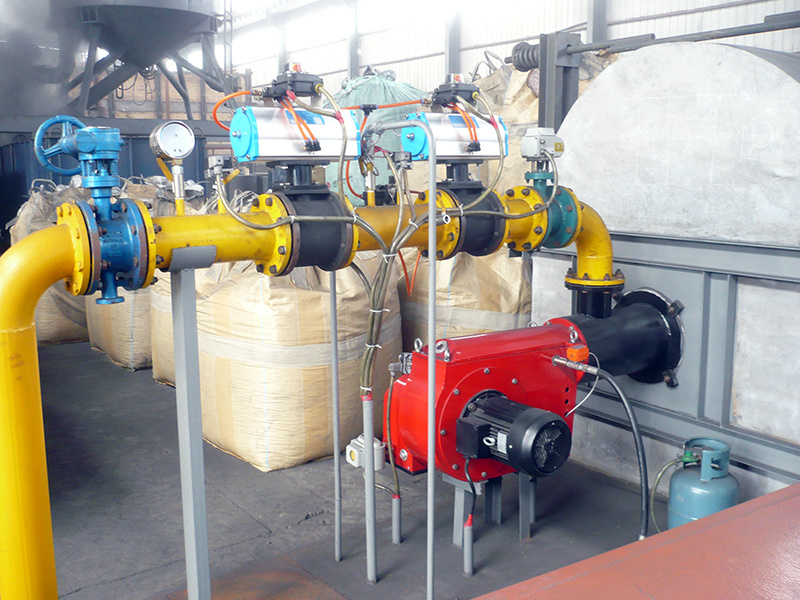
Exploring the Advantages of Implementing Non-Standard Combustion Systems
Table of Contents
- Introduction to Non-Standard Combustion Systems
- What Are Non-Standard Combustion Systems?
- Key Advantages of Non-Standard Combustion Systems
- Applications of Non-Standard Combustion Systems
- Design Considerations for Non-Standard Systems
- Current Trends and Innovations
- Challenges in Implementing Non-Standard Systems
- The Future of Non-Standard Combustion Systems
- Frequently Asked Questions
- Conclusion
Introduction to Non-Standard Combustion Systems
In the ever-evolving landscape of industrial heating, **non-standard combustion systems** have emerged as a compelling alternative to traditional heating methods. Industries are continuously seeking ways to enhance their thermal processes, and these innovative systems offer unique advantages that can significantly improve efficiency and sustainability. Understanding these systems is crucial for industries looking to remain competitive and environmentally conscious.
What Are Non-Standard Combustion Systems?
**Non-standard combustion systems** are defined as customized heating solutions that deviate from conventional designs. Unlike standard systems, which often rely on uniform parameters and fuels, non-standard systems are tailored to meet specific operational needs. They can incorporate various fuels, adjust combustion parameters, and be designed for specific industrial applications, making them highly versatile.
Types of Non-Standard Combustion Systems
1. **Dual-Fuel Systems**: These systems can switch between two different fuel sources, enhancing flexibility and reliability.
2. **Modular Systems**: These can be adjusted and expanded according to specific heating requirements, allowing for scalable solutions.
3. **Hybrid Systems**: Combining renewable energy sources with traditional fuels, hybrid systems offer a sustainable approach to combustion.
Key Advantages of Non-Standard Combustion Systems
The implementation of non-standard combustion systems brings numerous benefits that can enhance operational performance. Below, we explore the three primary advantages: **enhanced efficiency**, **customization options**, and **environmental benefits**.
Enhanced Efficiency
One of the most significant advantages of non-standard combustion systems is their ability to achieve higher thermal efficiency. By optimizing the combustion process, these systems can maximize heat production while minimizing fuel consumption. Key factors contributing to this enhanced efficiency include:
- **Optimized Combustion Parameters**: Non-standard systems allow for precise control over air-fuel ratios, leading to more complete combustion and less waste.
- **Advanced Technology Integration**: Many systems employ cutting-edge technologies such as automation and real-time monitoring, ensuring optimal performance and energy use.
Customization Options
Non-standard combustion systems offer unparalleled **customization options** tailored to specific industrial needs. This flexibility can lead to improved performance and adaptability in various applications, including:
- **Fuel Flexibility**: Industries can utilize a variety of fuels, including natural gas, biomass, or even waste materials, based on availability and cost.
- **Scalability**: Equipment can be designed to scale up or down according to production demands, allowing for efficient resource allocation.
Environmental Benefits
With increasing regulatory pressures and societal expectations regarding sustainability, non-standard combustion systems can significantly reduce environmental impact. They achieve this through:
- **Lower Emissions**: By optimizing combustion processes, these systems produce fewer greenhouse gases and pollutants.
- **Integration of Renewable Energy**: Many non-standard systems can be designed to incorporate renewable energy sources, reducing reliance on fossil fuels.
Applications of Non-Standard Combustion Systems
The versatility of non-standard combustion systems allows for their application across a range of industries. Key sectors benefiting from these systems include:
- **Manufacturing**: Non-standard systems provide tailored heating solutions for various manufacturing processes, leading to improved productivity.
- **Food Processing**: Custom combustion systems ensure precise heating for cooking, drying, and pasteurization, enhancing product quality.
- **Chemical Production**: These systems can be designed to meet specific temperature and pressure requirements crucial for chemical reactions.
Design Considerations for Non-Standard Systems
When designing non-standard combustion systems, several critical factors must be considered to ensure optimal performance and safety:
- **Regulatory Compliance**: Systems must meet local and international regulations regarding emissions and safety standards.
- **Material Selection**: Choosing the right materials is essential for durability and efficiency, especially in high-temperature applications.
- **System Integration**: Non-standard systems should seamlessly integrate with existing infrastructure to minimize disruption during installation.
Current Trends and Innovations
The field of non-standard combustion systems is rapidly evolving, driven by technological advancements and changing market demands. Key trends include:
- **Increasing Automation**: The incorporation of AI and machine learning for real-time monitoring and optimization.
- **Focus on Sustainability**: A growing emphasis on developing systems that utilize renewable sources and reduce environmental footprints.
- **Customized Solutions**: A shift towards more tailored solutions that meet specific industry needs rather than one-size-fits-all approaches.
Challenges in Implementing Non-Standard Systems
Despite their advantages, implementing non-standard combustion systems comes with challenges that industries must navigate:
- **Initial Investment Costs**: The upfront costs for designing and installing customized systems can be significant.
- **Technical Expertise**: Industries may require specialized knowledge to design, operate, and maintain these advanced systems effectively.
The Future of Non-Standard Combustion Systems
As industries continue to prioritize efficiency and sustainability, the demand for non-standard combustion systems is expected to grow. Anticipated developments include:
- **Greater Customization**: The trend towards bespoke solutions tailored to specific operational conditions will likely expand, providing even more energy-efficient and environmentally friendly options.
- **Integration with Smart Technologies**: Advanced monitoring and control technologies will further enhance the efficiency and reliability of these systems.
Frequently Asked Questions
1. What are the primary benefits of non-standard combustion systems?
Non-standard combustion systems offer **enhanced efficiency**, **customization options**, and significant **environmental benefits**, making them an attractive choice for many industries.
2. How do non-standard systems reduce emissions?
By optimizing combustion processes and allowing for the use of cleaner fuels, non-standard systems can significantly lower greenhouse gas and pollutant emissions.
3. Are non-standard combustion systems more expensive to implement?
While the initial investment may be higher compared to standard systems, the long-term savings on fuel and operational costs can offset this expense.
4. What industries benefit most from non-standard combustion systems?
Industries such as manufacturing, food processing, and chemical production are among the primary beneficiaries due to their unique heating requirements.
5. How can companies ensure compliance with regulations when implementing non-standard systems?
Engaging with experienced engineers and consultants during the design phase can help ensure that systems meet local and international regulatory requirements.
Conclusion
In conclusion, the implementation of **non-standard combustion systems** presents a transformative opportunity for industries seeking to enhance efficiency, customize operations, and reduce environmental impact. As the industrial landscape continues to evolve, embracing these innovative solutions can position organizations at the forefront of sustainability and operational excellence. By understanding and leveraging the advantages of non-standard systems, businesses can achieve their goals while contributing to a more sustainable future.
PREVIOUS:

Contact Us
E-mail: yilin@cn-tsjsrs.com
Add: East side of Jingwu Road, Qian'an City, Hebei Province (within the modern equipment manufacturing industry cluster area)


Copyright © Tangshan Jinsha Combustion Heat Energy Co.,Ltd.