

The Environmental Benefits of Using Hot Air Furnace Systems
Apr 10,2026
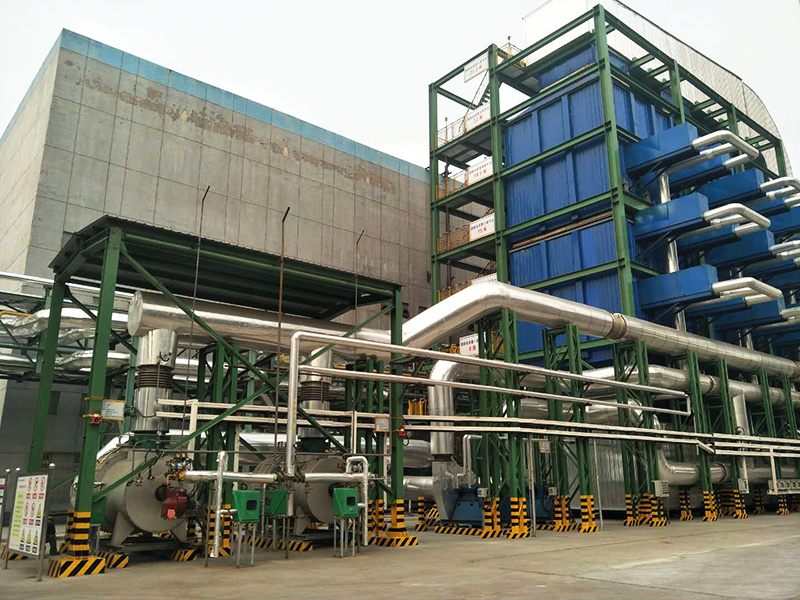
The Environmental Benefits of Using Hot Air Furnace Systems
Table of Contents
- 1. Introduction to Hot Air Furnace Systems
- 2. Understanding Hot Air Furnaces
- 3. Advantages of Hot Air Furnace Systems
- 4. Energy Efficiency and Sustainability
- 5. Reduced Emissions and Pollution
- 6. Cost-Effectiveness of Hot Air Furnace Systems
- 7. Innovative Technologies in Hot Air Furnaces
- 8. The Future of Hot Air Furnace Systems
- 9. Frequently Asked Questions
- 10. Conclusion
1. Introduction to Hot Air Furnace Systems
Hot air furnace systems play a crucial role in various industrial applications, providing efficient heating solutions that benefit both the environment and the economy. As industries become increasingly aware of their environmental responsibilities, the demand for sustainable energy sources rises. In this article, we will explore the environmental benefits of using hot air furnace systems, their operation, efficiency, and how they contribute to a greener future.
2. Understanding Hot Air Furnaces
Hot air furnaces are designed to produce heated air for various industrial processes. They utilize **combustion** to heat air, which is then circulated throughout a facility. These systems can be powered by different fuels, including natural gas, propane, or biomass. By delivering hot air efficiently, these furnaces support various processes such as drying, curing, and heating, making them versatile tools in industrial settings.
2.1 Components of Hot Air Furnace Systems
The primary components of hot air furnace systems include:
- **Burners:** Responsible for the combustion process and heat generation.
- **Heat Exchangers:** Transfer heat to the air efficiently.
- **Blowers:** Circulate the heated air throughout the workspace.
- **Control Systems:** Regulate the operation and maintain optimal temperatures.
3. Advantages of Hot Air Furnace Systems
Hot air furnace systems offer numerous advantages that make them a preferred choice for many industries.
3.1 Versatility in Applications
Hot air furnaces can be used in a wide range of applications, from drying agricultural products to curing coatings on manufactured goods. This versatility allows industries to adapt the technology for their specific needs.
3.2 Improved Process Efficiency
By providing consistent and controllable heating, hot air furnaces improve overall process efficiency. This leads to shorter production times and enhanced product quality, contributing to higher profitability.
4. Energy Efficiency and Sustainability
Energy efficiency is a significant factor in the sustainable operation of any industrial facility. Hot air furnace systems are designed with efficiency in mind, minimizing energy consumption while maximizing output.
4.1 High Thermal Efficiency
Modern hot air furnaces boast high thermal efficiency ratings, often exceeding 90%. This means that a larger percentage of the fuel consumed is converted into useful heat, reducing waste and lowering energy costs.
4.2 Utilization of Renewable Energy Sources
Many hot air furnace systems can be adapted to use renewable fuels, such as biomass or waste products, further enhancing their sustainability. This shift not only reduces reliance on fossil fuels but also supports a circular economy.
5. Reduced Emissions and Pollution
One of the most significant environmental benefits of hot air furnace systems is their potential to reduce harmful emissions.
5.1 Lower CO2 Emissions
By utilizing cleaner fuels and improving combustion efficiency, hot air furnaces can significantly lower carbon dioxide emissions. This is essential in combating climate change and meeting regulatory standards.
5.2 Decreased Air Pollutants
Modern hot air furnaces are equipped with advanced filtration and combustion technologies that reduce the release of particulate matter and other pollutants into the atmosphere. This leads to improved air quality and a healthier environment.
6. Cost-Effectiveness of Hot Air Furnace Systems
Investing in hot air furnace systems can result in substantial cost savings for businesses in the long run.
6.1 Reduced Operating Costs
Due to their high efficiency, hot air furnaces require less fuel to operate, leading to lower energy bills. Additionally, their reliability and durability mean reduced maintenance costs over time.
6.2 Potential for Incentives and Rebates
Many governments and organizations offer incentives for businesses to adopt environmentally friendly technologies. By switching to hot air furnace systems, companies may qualify for tax breaks or grants, further enhancing their financial position.
7. Innovative Technologies in Hot Air Furnaces
The development of hot air furnace systems has been revolutionized by technological advancements, allowing for more efficient and environmentally friendly operations.
7.1 Smart Control Systems
Modern hot air furnaces are often equipped with smart control systems that monitor and adjust operations in real time. This ensures optimal performance and energy savings, contributing to their overall effectiveness.
7.2 Integration with Renewable Energy
The integration of hot air furnaces with renewable energy sources, such as solar or wind power, is becoming increasingly popular. This not only reduces fuel consumption but also aligns with global sustainability goals.
8. The Future of Hot Air Furnace Systems
As industries continue to prioritize sustainability, the future of hot air furnace systems looks promising. Innovations in technology and fuel sources will likely drive further enhancements in efficiency and environmental performance.
8.1 Expansion into New Markets
The versatility of hot air furnace systems positions them well for expansion into new markets, including the food processing and pharmaceuticals sectors. As these industries seek to reduce their environmental impact, hot air furnaces will serve as a viable solution.
8.2 Continuous Improvement in Emission Standards
With tightening emission regulations, the demand for cleaner heating solutions will grow. Hot air furnace systems will need to continuously evolve to meet these standards, ensuring their place in a sustainable industrial future.
9. Frequently Asked Questions
9.1 What is a hot air furnace system?
A hot air furnace system is a heating solution used in industrial applications to produce and circulate heated air for various processes.
9.2 How do hot air furnaces improve energy efficiency?
Hot air furnaces are designed with high thermal efficiency ratings, maximizing fuel use and minimizing energy waste.
9.3 What environmental benefits do hot air furnaces offer?
They reduce CO2 emissions, decrease air pollutants, and can utilize renewable energy sources, contributing to a cleaner environment.
9.4 Are hot air furnaces cost-effective?
Yes, their high efficiency leads to lower fuel costs, and potential government incentives can further enhance financial savings.
9.5 What innovations are being implemented in hot air furnace technology?
Innovations include smart control systems and integration with renewable energy sources, improving efficiency and sustainability.
10. Conclusion
In summary, hot air furnace systems present significant environmental benefits that align with the growing focus on sustainability in industrial operations. By improving energy efficiency, reducing emissions, and offering cost-effective solutions, these systems not only contribute to a greener planet but also enhance productivity and profitability for businesses. As technology continues to advance, the role of hot air furnace systems will become even more vital in achieving industrial sustainability goals. Embracing these systems is not just a wise business decision; it's a commitment to a sustainable future.
PREVIOUS:

Contact Us
E-mail: yilin@cn-tsjsrs.com
Add: East side of Jingwu Road, Qian'an City, Hebei Province (within the modern equipment manufacturing industry cluster area)


Copyright © Tangshan Jinsha Combustion Heat Energy Co.,Ltd.