

Understanding Non-Standard Combustion Systems in Industrial Heating Applications
Apr 11,2026
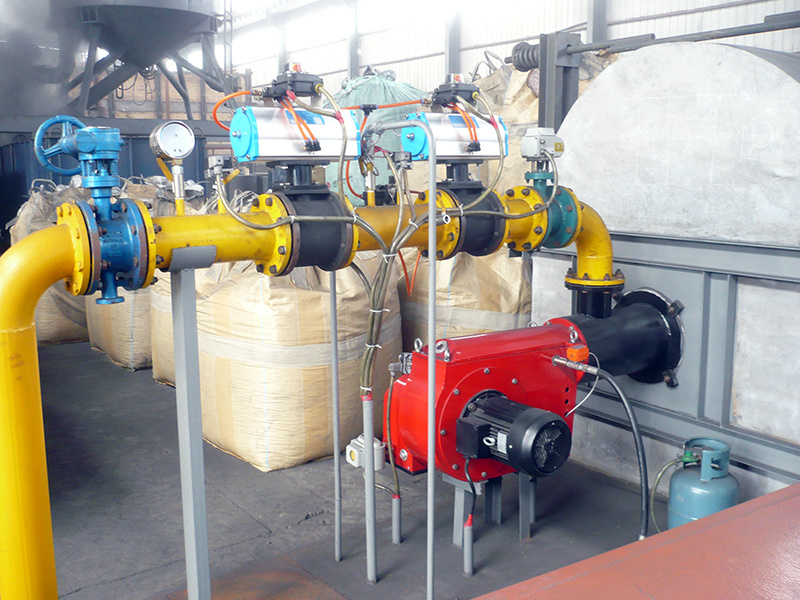
Non-standard combustion systems are increasingly gaining attention in the industrial sector, particularly within the realm of heat transfer equipment. Unlike conventional combustion systems, which adhere to standard operational parameters and technologies, non-standard systems offer a more flexible and tailored approach to combustion processes. These systems can be designed to meet unique specifications that may not be achievable through standard means, allowing for enhanced efficiency, reduced emissions, and improved performance.
One of the primary advantages of non-standard combustion systems is their ability to adapt to specific fuels and operational requirements. Industries often face challenges when using standard systems due to varying fuel properties, environmental regulations, or unique process demands. Non-standard systems can incorporate advanced technologies, such as staged combustion, variable air-to-fuel ratios, and specialized burner designs, to optimize combustion efficiency. This flexibility enables businesses to maximize energy utilization while adhering to strict environmental standards.
Moreover, non-standard combustion systems can improve operational efficiency. By customizing the combustion process, industries can achieve better control over heat output, reducing energy waste and operational costs. This is particularly beneficial in settings where precise temperature control is essential, such as in chemical processing or food production. The enhanced efficiency not only leads to cost savings but also contributes to a more sustainable operation by minimizing the carbon footprint associated with energy consumption.
Another consideration when exploring non-standard combustion systems is the need for rigorous testing and adaptation. Since these systems are tailored to specific applications, they often require detailed analysis and fine-tuning to ensure optimal performance. It is crucial for businesses to work closely with engineering experts who specialize in combustion technology. These professionals can provide insights into the design, implementation, and maintenance of non-standard systems, ensuring that they meet both performance standards and safety regulations.
In summary, non-standard combustion systems present a viable alternative for industries seeking to enhance their heating applications. By providing tailored solutions that cater to unique operational requirements, these systems can significantly improve efficiency, reduce emissions, and support sustainability initiatives. Industries considering the adoption of non-standard combustion technologies should conduct thorough assessments and engage with experienced professionals to ensure successful implementation. As the demand for innovative heating solutions continues to grow, understanding the benefits and complexities of non-standard combustion systems will be critical for maintaining competitiveness in the industrial landscape.
One of the primary advantages of non-standard combustion systems is their ability to adapt to specific fuels and operational requirements. Industries often face challenges when using standard systems due to varying fuel properties, environmental regulations, or unique process demands. Non-standard systems can incorporate advanced technologies, such as staged combustion, variable air-to-fuel ratios, and specialized burner designs, to optimize combustion efficiency. This flexibility enables businesses to maximize energy utilization while adhering to strict environmental standards.
Moreover, non-standard combustion systems can improve operational efficiency. By customizing the combustion process, industries can achieve better control over heat output, reducing energy waste and operational costs. This is particularly beneficial in settings where precise temperature control is essential, such as in chemical processing or food production. The enhanced efficiency not only leads to cost savings but also contributes to a more sustainable operation by minimizing the carbon footprint associated with energy consumption.
Another consideration when exploring non-standard combustion systems is the need for rigorous testing and adaptation. Since these systems are tailored to specific applications, they often require detailed analysis and fine-tuning to ensure optimal performance. It is crucial for businesses to work closely with engineering experts who specialize in combustion technology. These professionals can provide insights into the design, implementation, and maintenance of non-standard systems, ensuring that they meet both performance standards and safety regulations.
In summary, non-standard combustion systems present a viable alternative for industries seeking to enhance their heating applications. By providing tailored solutions that cater to unique operational requirements, these systems can significantly improve efficiency, reduce emissions, and support sustainability initiatives. Industries considering the adoption of non-standard combustion technologies should conduct thorough assessments and engage with experienced professionals to ensure successful implementation. As the demand for innovative heating solutions continues to grow, understanding the benefits and complexities of non-standard combustion systems will be critical for maintaining competitiveness in the industrial landscape.
PREVIOUS:

Contact Us
E-mail: yilin@cn-tsjsrs.com
Add: East side of Jingwu Road, Qian'an City, Hebei Province (within the modern equipment manufacturing industry cluster area)


Copyright © Tangshan Jinsha Combustion Heat Energy Co.,Ltd.