

The Role of Sealed Rotary Kiln Reactor Systems in Sustainable Manufacturing
Apr 16,2026
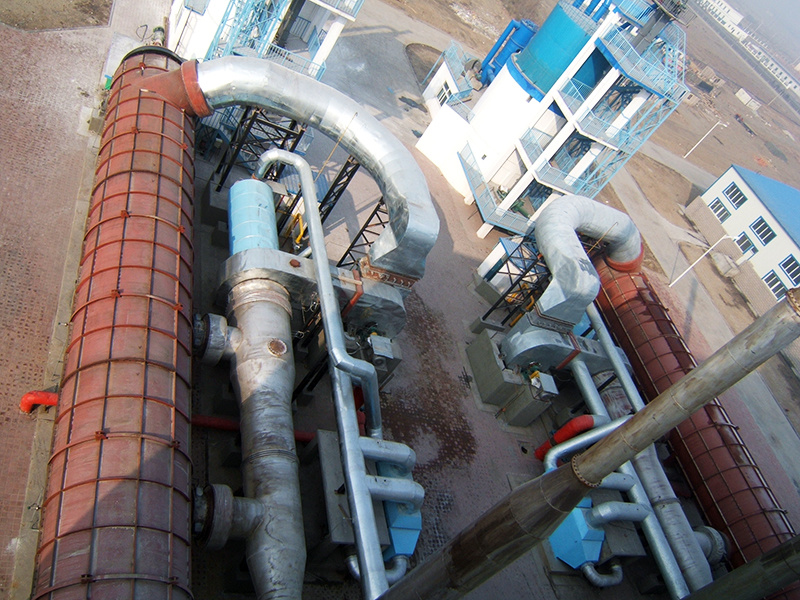
The Role of Sealed Rotary Kiln Reactor Systems in Sustainable Manufacturing
Introduction to Sealed Rotary Kiln Reactor Systems
Sealed rotary kiln reactor systems represent a significant advancement in the manufacturing sector, particularly in industries focused on sustainability. These systems are engineered to optimize thermal processing, ensuring efficient energy usage while minimizing environmental impact. Their design facilitates the reliable treatment of materials and the effective transformation of raw inputs into valuable outputs, which is essential for sustainable manufacturing practices.
Understanding the Basics of Sealed Rotary Kiln Technology
Sealed rotary kilns are cylindrical furnaces that rotate about their axis, allowing for the continuous processing of materials. The sealing mechanism is critical as it prevents gas leaks, thereby reducing emissions and enhancing the efficiency of heat transfer.
The Mechanism of Sealed Rotary Kilns
The operational principle of sealed rotary kilns is based on the pyrolysis and calcination processes that occur at high temperatures. The materials, such as raw minerals or industrial waste, are introduced at one end of the kiln and gradually move toward the discharge opening at the other end. As they travel through the heated zone, they undergo chemical transformations while being subjected to controlled atmospheres, ensuring optimal conditions for reactions.
Advantages of Sealed Rotary Kiln Systems
The advantages of sealed rotary kilns in sustainable manufacturing are manifold:
1. **Energy Efficiency**: The sealing mechanism reduces energy loss, leading to lower operational costs and a decreased carbon footprint.
2. **Reduced Emissions**: By containing gases within the system, these kilns limit the release of harmful pollutants into the atmosphere.
3. **Versatile Processing**: Sealed rotary kilns can process a wide variety of materials, including hazardous waste, making them suitable for diverse industrial applications.
The Role of Sealed Rotary Kiln Systems in Sustainable Manufacturing
Manufacturing industries are under increasing pressure to adopt sustainable practices. Sealed rotary kilns provide a solution that meets these demands while addressing the need for efficient resource management.
Minimizing Environmental Impact
The environmental benefits of sealed rotary kiln systems are significant. By controlling emissions and utilizing heat recovery systems, these kilns contribute to the reduction of greenhouse gases. The advanced design of sealed systems ensures that air pollutants are captured and treated before they can enter the atmosphere, aligning with global sustainability goals.
Carbon Footprint Reduction
Integrating sealed rotary kilns into manufacturing processes can lead to a substantial reduction in carbon footprints. These systems allow for the efficient processing of materials that would otherwise contribute to environmental degradation. By converting waste into reusable materials, manufacturers can close the loop on resource consumption.
Enhancing Product Quality and Consistency
Sealed rotary kiln systems not only promote sustainability but also enhance the quality of manufactured products. The controlled environment within the kiln ensures consistent heating and treatment of materials, leading to superior product quality. This consistency is crucial in industries such as ceramics, metals, and chemicals, where precision is paramount.
Applications of Sealed Rotary Kiln Reactor Systems
Sealed rotary kilns have a wide range of applications across various industries, contributing to sustainable practices in numerous ways.
Cement Production
In the cement industry, sealed rotary kilns are used for the calcination of limestone. This process is essential for producing clinker, which is a key ingredient in cement. By employing sealed systems, cement manufacturers can significantly reduce CO2 emissions associated with traditional production methods.
Waste Treatment and Resource Recovery
Sealed rotary kilns are ideal for treating hazardous waste materials. By converting waste into energy or reusable materials, manufacturers can minimize landfill contributions and promote a circular economy. This application underscores the importance of sealed rotary kilns in sustainable manufacturing practices.
Mineral Processing
In mineral processing, sealed rotary kilns facilitate the extraction of metals from ores. The ability to maintain high temperatures and controlled atmospheres allows for efficient metal recovery while minimizing energy consumption and emissions.
Future Trends in Sealed Rotary Kiln Systems
As industries evolve, so do the technologies that support sustainable manufacturing. Sealed rotary kiln systems are set to incorporate advanced technologies for even greater efficiency and sustainability.
Integration of Smart Technologies
The future of sealed rotary kilns lies in the integration of smart technologies. By employing sensors and data analytics, manufacturers can optimize kiln operations, monitor emissions in real-time, and enhance energy efficiency. This technological evolution aligns with Industry 4.0 trends that prioritize sustainability and efficiency.
Development of Alternative Fuels
Another promising trend is the use of alternative fuels in sealed rotary kilns. By utilizing biomass, waste-derived fuels, or other renewable energy sources, manufacturers can further reduce their reliance on fossil fuels, thereby decreasing their environmental impact.
Challenges and Considerations in Implementing Sealed Rotary Kiln Systems
Despite the numerous benefits, there are challenges associated with the implementation of sealed rotary kiln systems. Understanding these challenges is crucial for manufacturers looking to adopt these technologies.
Initial Investment Costs
The upfront costs associated with the installation of sealed rotary kilns can be significant. Manufacturers must weigh these costs against long-term savings and environmental benefits to make informed decisions.
Maintenance and Operational Expertise
Maintaining the efficiency of sealed rotary kilns requires specialized knowledge and expertise. Manufacturers must invest in training personnel to ensure optimal operation and maintenance, which can pose a challenge in some cases.
FAQs About Sealed Rotary Kiln Reactor Systems
What is a sealed rotary kiln reactor system?
A sealed rotary kiln reactor system is a cylindrical furnace that processes materials through controlled heating while preventing gas leaks, enhancing energy efficiency and minimizing environmental impact.
How do sealed rotary kilns contribute to sustainable manufacturing?
Sealed rotary kilns reduce emissions, enhance energy efficiency, and enable the recycling of materials, thereby promoting sustainable manufacturing practices.
What industries benefit from using sealed rotary kilns?
Industries such as cement production, waste treatment, and mineral processing benefit significantly from the use of sealed rotary kiln systems.
What are the environmental benefits of using sealed rotary kilns?
Sealed rotary kilns help reduce greenhouse gas emissions, minimize waste, and promote resource recovery, contributing to a lower environmental impact.
What challenges are associated with implementing sealed rotary kilns?
Challenges include high initial investment costs and the need for specialized maintenance and operational knowledge.
Conclusion
Sealed rotary kiln reactor systems play a vital role in advancing sustainable manufacturing. Their ability to enhance energy efficiency, reduce emissions, and process diverse materials makes them an essential component in modern industrial practices. As industries continue to seek innovative solutions to meet sustainability goals, the importance of these systems will only grow. By investing in sealed rotary kilns, manufacturers can not only improve their operational efficiency but also contribute to a healthier planet for future generations.

Contact Us
E-mail: yilin@cn-tsjsrs.com
Add: East side of Jingwu Road, Qian'an City, Hebei Province (within the modern equipment manufacturing industry cluster area)


Copyright © Tangshan Jinsha Combustion Heat Energy Co.,Ltd.