

Understanding Hot Air Furnace Systems: A Comprehensive Guide
Apr 17,2026
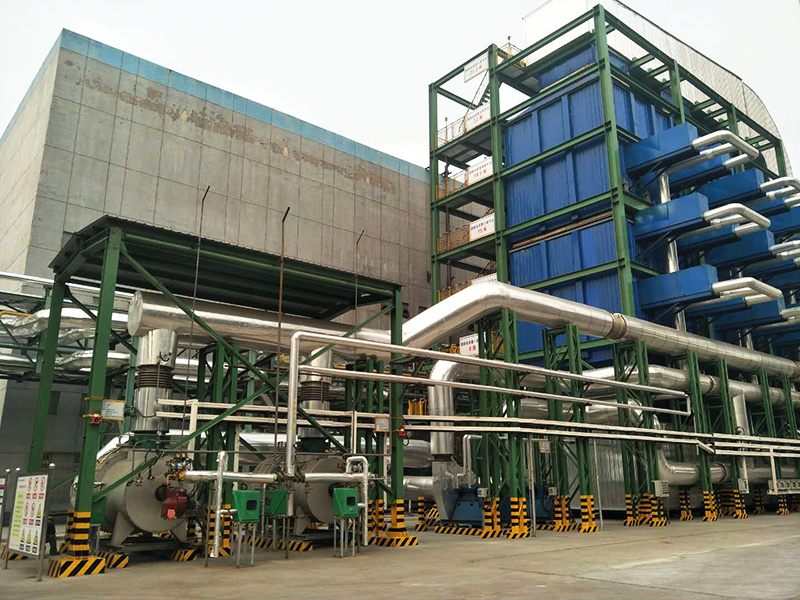
Hot air furnace systems play a pivotal role in various industrial processes by providing efficient and reliable heating solutions. These systems are designed to generate hot air that can be utilized for space heating, drying processes, and even in some manufacturing operations. Understanding how hot air furnace systems operate and their advantages can significantly contribute to optimizing productivity and energy efficiency in industrial applications.
At the core of a hot air furnace system is its heat generation mechanism, which typically involves the combustion of fuels such as natural gas, propane, or oil. The combustion process heats the air within a combustion chamber, which is then circulated through the system using blowers or fans. This heated air can be directed into specific areas of a facility, ensuring consistent temperature control. The use of blowers not only enhances the distribution of heat but also allows for rapid heating, making hot air furnace systems ideal for applications requiring quick temperature adjustments.
One of the key benefits of hot air furnace systems is their versatility. These systems are capable of providing high-temperature air suitable for a variety of processes, including drying agricultural products, curing paints, and heating large warehouses. This adaptability makes them an invaluable asset in industries such as food processing, textiles, and manufacturing.
Moreover, modern hot air furnace systems are designed with energy efficiency in mind. Advanced technologies, such as modulating burners and variable speed fans, help to optimize fuel consumption and reduce operational costs. Additionally, many systems come equipped with controls and monitoring features that allow operators to adjust settings based on real-time conditions, further enhancing efficiency.
Maintenance is another critical aspect of hot air furnace systems. Regular inspections and servicing can help prevent breakdowns and ensure the longevity of the equipment. Key maintenance tasks include cleaning air filters, checking for combustion efficiency, and inspecting the heat exchanger for signs of wear. Implementing a proactive maintenance program can reduce downtime and enhance the overall performance of the furnace system.
In conclusion, hot air furnace systems are essential components in many industrial settings, providing efficient heating solutions tailored to specific process requirements. By understanding their operation, benefits, and maintenance, professionals can leverage these systems to achieve optimal performance and energy efficiency in their operations. Whether you are considering a new installation or looking to improve an existing system, recognizing the attributes of hot air furnace systems is crucial for informed decision-making in industrial heating applications.
At the core of a hot air furnace system is its heat generation mechanism, which typically involves the combustion of fuels such as natural gas, propane, or oil. The combustion process heats the air within a combustion chamber, which is then circulated through the system using blowers or fans. This heated air can be directed into specific areas of a facility, ensuring consistent temperature control. The use of blowers not only enhances the distribution of heat but also allows for rapid heating, making hot air furnace systems ideal for applications requiring quick temperature adjustments.
One of the key benefits of hot air furnace systems is their versatility. These systems are capable of providing high-temperature air suitable for a variety of processes, including drying agricultural products, curing paints, and heating large warehouses. This adaptability makes them an invaluable asset in industries such as food processing, textiles, and manufacturing.
Moreover, modern hot air furnace systems are designed with energy efficiency in mind. Advanced technologies, such as modulating burners and variable speed fans, help to optimize fuel consumption and reduce operational costs. Additionally, many systems come equipped with controls and monitoring features that allow operators to adjust settings based on real-time conditions, further enhancing efficiency.
Maintenance is another critical aspect of hot air furnace systems. Regular inspections and servicing can help prevent breakdowns and ensure the longevity of the equipment. Key maintenance tasks include cleaning air filters, checking for combustion efficiency, and inspecting the heat exchanger for signs of wear. Implementing a proactive maintenance program can reduce downtime and enhance the overall performance of the furnace system.
In conclusion, hot air furnace systems are essential components in many industrial settings, providing efficient heating solutions tailored to specific process requirements. By understanding their operation, benefits, and maintenance, professionals can leverage these systems to achieve optimal performance and energy efficiency in their operations. Whether you are considering a new installation or looking to improve an existing system, recognizing the attributes of hot air furnace systems is crucial for informed decision-making in industrial heating applications.

Contact Us
E-mail: yilin@cn-tsjsrs.com
Add: East side of Jingwu Road, Qian'an City, Hebei Province (within the modern equipment manufacturing industry cluster area)


Copyright © Tangshan Jinsha Combustion Heat Energy Co.,Ltd.