

Understanding Metallurgical Combustion Equipment: Essential Insights for Industrial Applications
Apr 19,2026
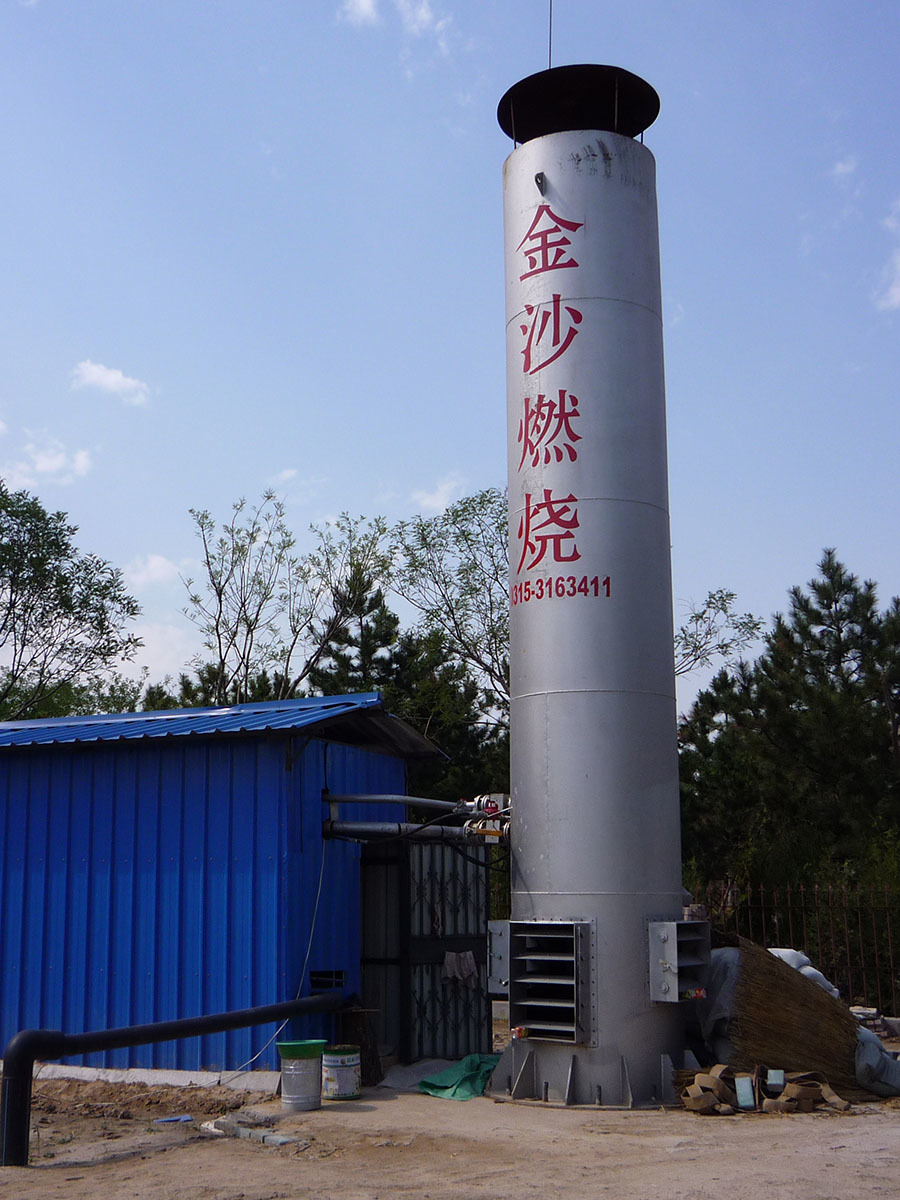
Metallurgical combustion equipment plays a pivotal role in numerous industrial applications, particularly in sectors that require precise heating and thermal processing. These systems are designed to generate and manage heat through the combustion of fuels, which is essential in processes such as metal melting, heat treatment, and refining. Understanding the core functionalities and advancements in metallurgical combustion equipment can significantly benefit businesses seeking to optimize their operational efficiency and productivity.
At the heart of metallurgical combustion equipment is the combustion chamber, where fuel and air are mixed and ignited to produce high-temperature gases. These gases then transfer heat to the materials being processed. The efficiency of this heat transfer is critical, as it directly affects the quality of the final product. Innovations in this field have led to the development of advanced burner designs and control systems that enhance combustion efficiency, reduce emissions, and improve overall safety.
One of the crucial aspects of metallurgical combustion equipment is its ability to accommodate various fuel types, including natural gas, propane, and even biomass. This flexibility allows industries to select the most cost-effective and sustainable fuel options without compromising on performance. Moreover, modern combustion systems are often equipped with sophisticated control technologies, enabling real-time monitoring and adjustments to maintain optimal operating conditions.
In addition to efficiency and adaptability, metallurgical combustion equipment also plays a vital role in meeting environmental regulations. With increasing scrutiny on industrial emissions, many manufacturers are focusing on designing equipment that minimizes harmful byproducts. Advanced filtration and scrubbing systems can be integrated into combustion setups, ensuring that exhaust gases comply with stringent environmental standards.
Furthermore, the integration of automation and smart technologies into metallurgical combustion equipment has revolutionized how industries operate. Automation allows for precise control over combustion processes, reducing human error and enhancing safety. Data analytics can provide insights into operational performance, helping businesses make informed decisions about maintenance and process improvements.
In conclusion, metallurgical combustion equipment is essential for industries that rely on thermal processing. Its ability to provide efficient heating while accommodating various fuels and adhering to environmental standards makes it a valuable asset in the industrial landscape. By investing in advanced combustion technologies, companies can enhance their operational efficiency, reduce costs, and contribute positively to their environmental footprint. Understanding the intricacies of these systems is imperative for any business looking to thrive in the competitive market of industrial equipment and components.
At the heart of metallurgical combustion equipment is the combustion chamber, where fuel and air are mixed and ignited to produce high-temperature gases. These gases then transfer heat to the materials being processed. The efficiency of this heat transfer is critical, as it directly affects the quality of the final product. Innovations in this field have led to the development of advanced burner designs and control systems that enhance combustion efficiency, reduce emissions, and improve overall safety.
One of the crucial aspects of metallurgical combustion equipment is its ability to accommodate various fuel types, including natural gas, propane, and even biomass. This flexibility allows industries to select the most cost-effective and sustainable fuel options without compromising on performance. Moreover, modern combustion systems are often equipped with sophisticated control technologies, enabling real-time monitoring and adjustments to maintain optimal operating conditions.
In addition to efficiency and adaptability, metallurgical combustion equipment also plays a vital role in meeting environmental regulations. With increasing scrutiny on industrial emissions, many manufacturers are focusing on designing equipment that minimizes harmful byproducts. Advanced filtration and scrubbing systems can be integrated into combustion setups, ensuring that exhaust gases comply with stringent environmental standards.
Furthermore, the integration of automation and smart technologies into metallurgical combustion equipment has revolutionized how industries operate. Automation allows for precise control over combustion processes, reducing human error and enhancing safety. Data analytics can provide insights into operational performance, helping businesses make informed decisions about maintenance and process improvements.
In conclusion, metallurgical combustion equipment is essential for industries that rely on thermal processing. Its ability to provide efficient heating while accommodating various fuels and adhering to environmental standards makes it a valuable asset in the industrial landscape. By investing in advanced combustion technologies, companies can enhance their operational efficiency, reduce costs, and contribute positively to their environmental footprint. Understanding the intricacies of these systems is imperative for any business looking to thrive in the competitive market of industrial equipment and components.
PREVIOUS:

Contact Us
E-mail: yilin@cn-tsjsrs.com
Add: East side of Jingwu Road, Qian'an City, Hebei Province (within the modern equipment manufacturing industry cluster area)


Copyright © Tangshan Jinsha Combustion Heat Energy Co.,Ltd.