

Understanding Industrial Thermal Equipment: Key Insights for Professionals
Apr 21,2026
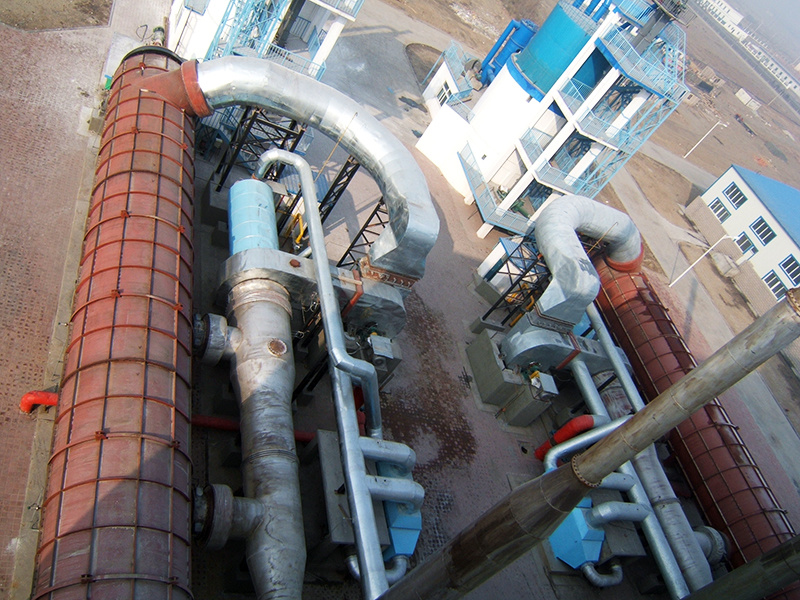
Industrial thermal equipment encompasses a range of devices designed for the management, transfer, and regulation of heat within industrial processes. These devices are crucial for manufacturing, processing, and energy generation, where heat management plays a pivotal role.
**Types of Industrial Thermal Equipment**
1. **Heat Exchangers**: These are devices that transfer heat from one medium to another without mixing them. Common types include shell-and-tube, plate, and air-cooled heat exchangers. Each type offers varying efficiencies and is suited to different applications, such as cooling fluids in power plants or heating process fluids in chemical manufacturing.
2. **Boilers**: Industrial boilers generate steam or hot water for various applications, including heating, power generation, and facilitating chemical reactions. The choice of boiler type (fire-tube, water-tube, or electric) depends on factors like efficiency requirements, fuel availability, and process needs.
3. **Furnaces**: Industrial furnaces are used for heating materials to high temperatures, facilitating processes such as melting metals, baking ceramics, or treating materials thermally. The design and fuel source of a furnace significantly impact operational efficiency and emissions.
4. **Heat Pumps**: These systems move heat from one location to another, often used for both heating and cooling purposes. In industrial settings, heat pumps can capture waste heat from processes and reuse it, improving overall energy efficiency.
**Energy Efficiency and Sustainability**
With rising energy costs and environmental concerns, industrial thermal equipment has evolved to focus on energy efficiency and sustainability. Implementing advanced technologies such as variable speed drives, smart controls, and heat recovery systems can significantly enhance the efficiency of these devices. Regular maintenance and performance monitoring are also critical to ensuring optimal operation.
**Regulatory Compliance**
It is essential to stay updated on regulations regarding emissions and energy consumption in your industry. Compliance with standards ensures not only environmental responsibility but also promotes operational efficiency. Many regions require facilities to adhere to strict guidelines regarding the efficiency of thermal equipment, which can influence purchasing decisions and operational practices.
**Conclusion**
In summary, understanding the various types of industrial thermal equipment and their applications is crucial for professionals in the field. By focusing on energy efficiency, sustainability, and regulatory compliance, organizations can optimize their operations and contribute to a more sustainable industrial landscape. As technology advances, staying informed on the latest developments in thermal equipment will enable professionals to leverage these advancements for operational success.
**Types of Industrial Thermal Equipment**
1. **Heat Exchangers**: These are devices that transfer heat from one medium to another without mixing them. Common types include shell-and-tube, plate, and air-cooled heat exchangers. Each type offers varying efficiencies and is suited to different applications, such as cooling fluids in power plants or heating process fluids in chemical manufacturing.
2. **Boilers**: Industrial boilers generate steam or hot water for various applications, including heating, power generation, and facilitating chemical reactions. The choice of boiler type (fire-tube, water-tube, or electric) depends on factors like efficiency requirements, fuel availability, and process needs.
3. **Furnaces**: Industrial furnaces are used for heating materials to high temperatures, facilitating processes such as melting metals, baking ceramics, or treating materials thermally. The design and fuel source of a furnace significantly impact operational efficiency and emissions.
4. **Heat Pumps**: These systems move heat from one location to another, often used for both heating and cooling purposes. In industrial settings, heat pumps can capture waste heat from processes and reuse it, improving overall energy efficiency.
**Energy Efficiency and Sustainability**
With rising energy costs and environmental concerns, industrial thermal equipment has evolved to focus on energy efficiency and sustainability. Implementing advanced technologies such as variable speed drives, smart controls, and heat recovery systems can significantly enhance the efficiency of these devices. Regular maintenance and performance monitoring are also critical to ensuring optimal operation.
**Regulatory Compliance**
It is essential to stay updated on regulations regarding emissions and energy consumption in your industry. Compliance with standards ensures not only environmental responsibility but also promotes operational efficiency. Many regions require facilities to adhere to strict guidelines regarding the efficiency of thermal equipment, which can influence purchasing decisions and operational practices.
**Conclusion**
In summary, understanding the various types of industrial thermal equipment and their applications is crucial for professionals in the field. By focusing on energy efficiency, sustainability, and regulatory compliance, organizations can optimize their operations and contribute to a more sustainable industrial landscape. As technology advances, staying informed on the latest developments in thermal equipment will enable professionals to leverage these advancements for operational success.
PREVIOUS:

Contact Us
E-mail: yilin@cn-tsjsrs.com
Add: East side of Jingwu Road, Qian'an City, Hebei Province (within the modern equipment manufacturing industry cluster area)


Copyright © Tangshan Jinsha Combustion Heat Energy Co.,Ltd.