

Exploring Environmental Benefits of the Pulverized Coal Hot Air Furnace System
Apr 22,2026
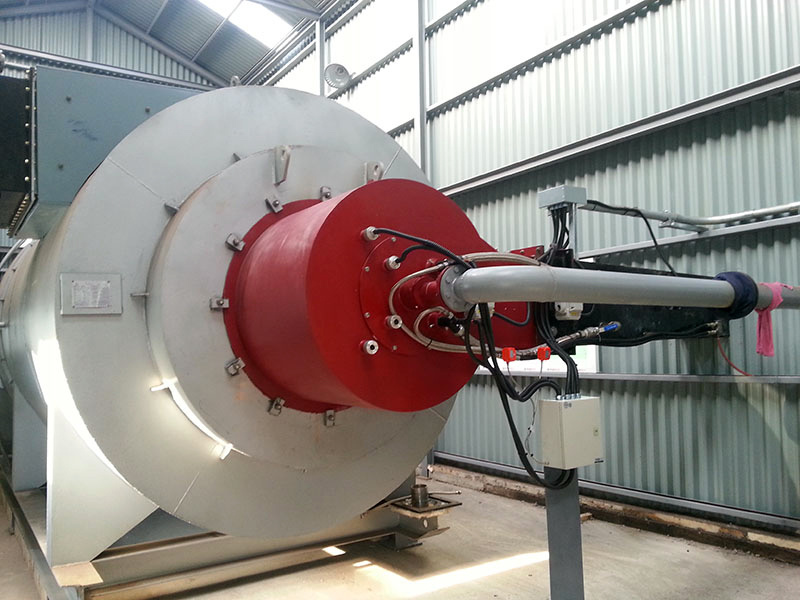
Exploring Environmental Benefits of the Pulverized Coal Hot Air Furnace System
Introduction to Pulverized Coal Hot Air Furnace Systems
The **Pulverized Coal Hot Air Furnace System** represents a significant advancement in industrial heating technology. By utilizing pulverized coal as a primary fuel source, this system optimizes combustion efficiency and energy output. In an era where environmental sustainability is paramount, understanding the environmental benefits of this system is crucial for industries aiming to reduce their ecological footprint while maintaining operational effectiveness.
How the Pulverized Coal Hot Air Furnace Works
At its core, the **Pulverized Coal Hot Air Furnace** operates by grinding coal into a fine powder and mixing it with hot air for combustion. This process enhances the surface area of the coal, leading to more efficient combustion and reduced emissions. The furnace can reach high temperatures quickly, providing consistent heat for various industrial applications.
The Combustion Process Explained
The combustion process in a pulverized coal furnace involves several key steps:
1. **Coal Preparation**: Coal is crushed into a fine powder and dried to reduce moisture content.
2. **Coal-Air Mixture**: The pulverized coal is mixed with preheated air, facilitating efficient combustion.
3. **Ignition and Burning**: The mixture is ignited in the furnace, producing hot gases that transfer heat to the system.
4. **Heat Exchange**: Hot gases pass through a heat exchanger, transferring thermal energy to the desired medium, such as water or air.
Key Components of the System
The efficiency of the **Pulverized Coal Hot Air Furnace** is attributed to its innovative components:
- **Burners**: Designed for optimal combustion and air-fuel mixing.
- **Heat Exchangers**: For effective heat transfer and recovery.
- **Emission Control Systems**: To reduce harmful emissions and enhance air quality.
- **Control Systems**: For precise monitoring and management of combustion conditions.
Environmental Benefits of the Pulverized Coal Hot Air Furnace System
Understanding the environmental benefits of the pulverized coal hot air furnace system provides insights into its potential for promoting greener industrial practices.
1. Enhanced Combustion Efficiency
The **pulverization** of coal significantly enhances combustion efficiency, resulting in more complete fuel utilization. This reduces the volume of coal needed to generate the same amount of energy, ultimately leading to lower carbon emissions.
2. Reduced Greenhouse Gas Emissions
Advanced combustion technologies in pulverized coal systems result in reduced greenhouse gas emissions. By optimizing fuel-to-air ratios and utilizing advanced control systems, these furnaces can operate with minimal CO2 output compared to traditional coal-burning technologies.
3. Lower Particulate Emissions
With the implementation of effective emission control systems, **particulate emissions** are significantly reduced. High-efficiency filters and scrubbers ensure that harmful particles are removed from exhaust gases, leading to cleaner air and a lower environmental impact.
4. Utilization of Coal Waste and By-products
The **Pulverized Coal Hot Air Furnace System** can also utilize waste products and by-products from other industrial processes. This not only reduces waste but also enhances the overall energy efficiency of the system.
5. Flexibility in Fuel Sources
While primarily designed for coal, these systems can be adapted for various fuel sources, including biomass and waste-derived fuels. This flexibility supports a transition to more sustainable energy practices and promotes cleaner energy production.
Applications of the Pulverized Coal Hot Air Furnace System
The versatility of the pulverized coal hot air furnace system allows it to be used across various industries, each benefiting from its unique environmental advantages.
1. Power Generation
In power plants, this system provides a reliable source of heat for electricity generation, allowing for cleaner combustion processes and increased energy efficiency.
2. Industrial Heating Processes
Manufacturing industries, including cement and steel, utilize pulverized coal systems for their high-temperature heating needs, ensuring minimal emissions and diversified fuel options.
3. Chemical Production
The chemical sector benefits from the precise and consistent heat provided by pulverized coal hot air furnaces, thus enhancing process efficiency while reducing waste.
Innovative Technologies Enhancing Environmental Benefits
As technology advances, so too do the capabilities of the pulverized coal hot air furnace system. Innovations are continually emerging to further reduce environmental impacts.
1. Smart Control Systems
Modern systems incorporate smart technology for real-time monitoring and adjustment of combustion parameters, leading to enhanced operational efficiency and emission reductions.
2. Carbon Capture and Storage (CCS)
Emerging CCS technologies are being integrated into pulverized coal hot air systems to capture and store CO2 emissions, preventing them from entering the atmosphere and mitigating climate change.
3. Advanced Filtration and Scrubbing Mechanisms
Innovative filtration systems not only capture particulates but also remove harmful gases, ensuring compliance with stringent environmental regulations and improving air quality.
Challenges and Solutions in Implementing the System
Despite its advantages, implementing the pulverized coal hot air furnace system poses certain challenges.
1. Initial Investment Costs
The initial cost of setting up a pulverized coal furnace system can be substantial. However, the long-term savings in fuel efficiency and emissions reduction often outweigh these upfront expenses.
2. Regulatory Compliance
Navigating the complex landscape of environmental regulations can be challenging. Proactive engagement with regulatory bodies and investment in compliance technologies can mitigate these issues.
3. Technological Upgrades
Keeping up with rapid advancements in technology requires ongoing investment and training. Partnering with experienced providers can facilitate smoother transitions to newer, more efficient systems.
Future of Pulverized Coal Hot Air Furnace Systems
As industries increasingly prioritize sustainability, the future of the pulverized coal hot air furnace system looks promising. Innovations in technology and fuel flexibility will continue to bolster its environmental benefits.
1. Growing Adoption in Emerging Economies
Developing nations are beginning to recognize the importance of sustainable industrial practices. The adaptability of pulverized coal systems will play a crucial role in their energy transitions.
2. Integration with Renewable Energy
Future systems may integrate more closely with renewable energy sources, creating hybrid systems that leverage the strengths of both fossil fuels and renewables while minimizing carbon footprints.
Conclusion
The **Pulverized Coal Hot Air Furnace System** presents a compelling case for environmental responsibility in industrial heating. By enhancing combustion efficiency, reducing emissions, and providing flexibility in fuel sources, this system not only meets the energy demands of various industries but also contributes significantly to sustainability efforts. As technology continues to advance, the environmental benefits of this system will become even more pronounced, paving the way for a greener industrial landscape.
FAQs
1. What is a pulverized coal hot air furnace?
A pulverized coal hot air furnace is a system that burns finely ground coal mixed with hot air to produce heat for various industrial applications, optimizing combustion efficiency and minimizing emissions.
2. How does this system improve energy efficiency?
By increasing the surface area of coal through pulverization, the system allows for more complete combustion, which means less coal is required to generate the same amount of energy.
3. What are the environmental benefits of using pulverized coal?
The system reduces greenhouse gas emissions, lowers particulate emissions, and can utilize waste products, ultimately contributing to a more sustainable industrial operation.
4. Can this system be adapted for other fuels?
Yes, the pulverized coal hot air furnace system can be designed to accommodate various fuels, including biomass and waste-derived fuels, enhancing its versatility.
5. What challenges are associated with implementing this system?
Challenges include high initial investment costs, regulatory compliance, and the need for continuous technological upgrades. However, these can be addressed through strategic planning and partnerships.
PREVIOUS:

Contact Us
E-mail: yilin@cn-tsjsrs.com
Add: East side of Jingwu Road, Qian'an City, Hebei Province (within the modern equipment manufacturing industry cluster area)


Copyright © Tangshan Jinsha Combustion Heat Energy Co.,Ltd.