

Troubleshooting Common Issues with Hot Air Furnace Systems: A Comprehensive Guide
May 22,2026
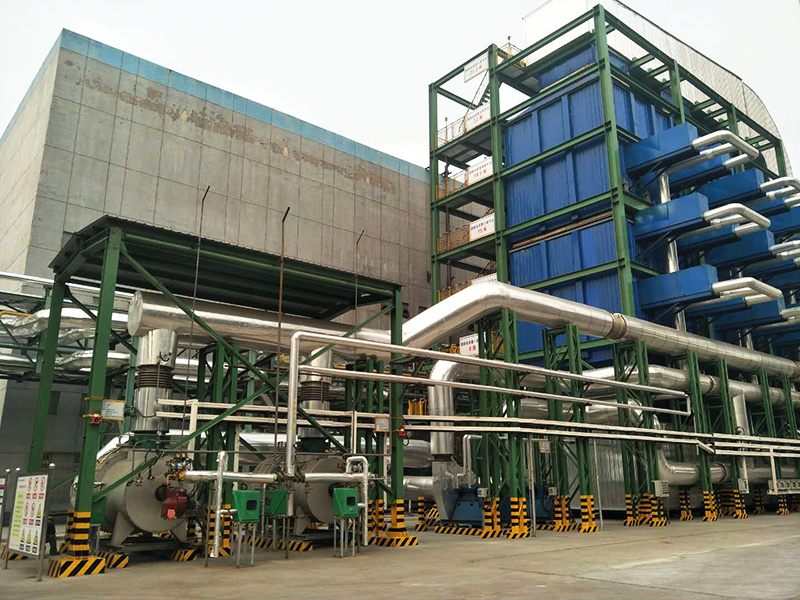
Troubleshooting Common Issues with Hot Air Furnace Systems
Table of Contents
- 1. Introduction to Hot Air Furnace Systems
- 2. Common Issues with Hot Air Furnace Systems
- 3. Inadequate Heating: Causes and Solutions
- 4. Noisy Operation: Identifying and Fixing the Problem
- 5. Furnace Not Starting: Troubleshooting Steps
- 6. Frequent Cycling: Understanding Short Cycling
- 7. Safety Concerns: When to Call a Professional
- 8. Maintenance Tips for Hot Air Furnace Systems
- 9. FAQs about Hot Air Furnace Troubleshooting
- 10. Conclusion
1. Introduction to Hot Air Furnace Systems
Hot air furnace systems are pivotal in maintaining comfortable indoor environments, especially during colder months. Understanding how these systems work and recognizing common issues can significantly enhance their efficiency and lifespan. This comprehensive guide aims to provide insights into troubleshooting frequent problems associated with hot air furnace systems, ensuring optimal functionality and comfort.
2. Common Issues with Hot Air Furnace Systems
Hot air furnaces are generally reliable, but like any mechanical system, they can encounter problems. Common issues include:
- Inadequate heating
- Noisy operation
- Furnace not starting
- Frequent cycling
- Safety concerns
We will delve deeper into each of these issues in the following sections, providing practical solutions and insights into their causes.
3. Inadequate Heating: Causes and Solutions
One of the most frustrating problems homeowners face is inadequate heating from their hot air furnace systems. This issue can stem from various causes, including:
Dirty Air Filters
Dirty air filters restrict airflow, reducing the furnace's efficiency. We recommend checking and replacing filters every 1-3 months, depending on usage and filter type.
Blocked Ducts
Blocked or dirty ducts can prevent warm air from circulating effectively. Cleaning ducts can significantly enhance performance. Consider hiring a professional for thorough duct cleaning.
Thermostat Issues
If the thermostat is malfunctioning, it may not accurately signal when to heat. We advise recalibrating or replacing the thermostat as needed to ensure correct temperature regulation.
Undersized Furnace
An undersized furnace may struggle to heat your space adequately. If your furnace is too small for your home’s square footage, consider upgrading to a model that meets your heating requirements.
4. Noisy Operation: Identifying and Fixing the Problem
Noisy operation can indicate underlying issues within your hot air furnace system. Common noises include banging, rattling, or squealing sounds.
Banging Noises
Banging noises often signal loose components or expanding metal. Inspect the furnace for loose screws or panels and tighten them as necessary.
Rattling Sounds
Rattling can result from debris in the blower or loose ducts. Inspect the blower for any objects and secure ductwork to eliminate excess movement.
Squealing Sounds
Squealing noises typically indicate worn-out bearings in the blower motor. Lubricating these components or replacing them can resolve the issue.
5. Furnace Not Starting: Troubleshooting Steps
When your furnace refuses to start, it can be both inconvenient and concerning. Follow these troubleshooting steps to identify the issue:
Check the Thermostat Settings
Ensure that the thermostat is set to 'heat' and that the desired temperature is higher than the current room temperature.
Inspect the Power Supply
Verify that the furnace is receiving power. Check circuit breakers and ensure the unit is plugged in. If there is an issue with the power supply, contact a licensed electrician.
Examine the Pilot Light or Igniter
For gas furnaces, check if the pilot light is lit. If it’s out, follow the manufacturer’s instructions to relight it. For electric models, inspect the igniter for functionality.
Look for Error Codes
Many modern furnaces include diagnostic systems that display error codes. Refer to your manual for specific error codes and their meanings to guide your troubleshooting.
6. Frequent Cycling: Understanding Short Cycling
Frequent cycling, also known as short cycling, occurs when the furnace turns on and off repeatedly in a short period. This can lead to increased energy bills and premature wear on the system.
Check the Thermostat Location
If the thermostat is located near drafts or heat sources, it may cause inaccurate readings. Relocating the thermostat can stabilize temperature regulation.
Inspect Air Filters
Dirty air filters restrict airflow, causing the furnace to overheat and shut off. Regular maintenance, including filter changes, can prevent this issue.
Assess the Size of the Furnace
An oversized furnace can lead to short cycling. If your furnace is too powerful for your space, consider consulting an HVAC professional for evaluation.
7. Safety Concerns: When to Call a Professional
While many furnace issues can be resolved through DIY troubleshooting, some situations pose safety risks and require professional intervention.
Gas Leaks
If you detect the smell of gas, vacate the premises immediately and contact your gas company. Gas leaks are dangerous and require immediate professional attention.
Electrical Issues
If you notice sparks, burning smells, or electrical failures, it’s crucial to consult an electrician or HVAC professional. These issues can pose significant safety hazards.
Frequent Breakdowns
If your furnace experiences persistent issues despite troubleshooting, it may be time to consult a professional. Continuous breakdowns can indicate underlying problems that require expert diagnosis and repair.
8. Maintenance Tips for Hot Air Furnace Systems
To prolong the life of your hot air furnace and ensure it operates efficiently, consider the following maintenance tips:
Regular Filter Changes
Change filters regularly to maintain good airflow and system efficiency. Check filters monthly and replace them based on the type of filter used.
Annual Inspections
Schedule annual professional inspections to ensure all components are functioning properly. A technician can identify potential issues before they escalate.
Clean Ducts and Vents
Regularly clean ducts and vents to prevent dust build-up and improve air quality. Professional duct cleaning is recommended every few years.
Test Safety Features
Test carbon monoxide detectors and ensure they are functional. Regularly check other safety features to prevent accidents.
9. FAQs about Hot Air Furnace Troubleshooting
1. How often should I change my furnace filter?
We recommend changing your furnace filter every 1-3 months, depending on usage and filter type.
2. What should I do if my furnace is making strange noises?
Inspect the furnace for loose components or debris, and consult a professional if the issue persists.
3. Can I troubleshoot my furnace myself?
Many issues can be identified through DIY troubleshooting, but for safety concerns, always consult a professional when in doubt.
4. How can I improve my furnace’s efficiency?
Regular maintenance, including changing filters and scheduling annual inspections, can significantly enhance efficiency.
5. When should I consider replacing my furnace?
If your furnace is over 15 years old and requires frequent repairs, it might be time to consider a replacement.
10. Conclusion
Troubleshooting common issues with hot air furnace systems is essential for maintaining optimal heating and comfort in your home. By understanding the root causes of these issues and implementing regular maintenance practices, you can enhance the performance and lifespan of your furnace. Always prioritize safety and consult professionals when necessary to ensure your heating system operates smoothly and efficiently. Keeping your hot air furnace in top condition will not only provide warmth during the cold months but also save you money on energy bills in the long run.

Contact Us
E-mail: yilin@cn-tsjsrs.com
Add: East side of Jingwu Road, Qian'an City, Hebei Province (within the modern equipment manufacturing industry cluster area)


Copyright © Tangshan Jinsha Combustion Heat Energy Co.,Ltd.