

Understanding Non-Standard Combustion Systems in Industrial Heating Applications
May 23,2026
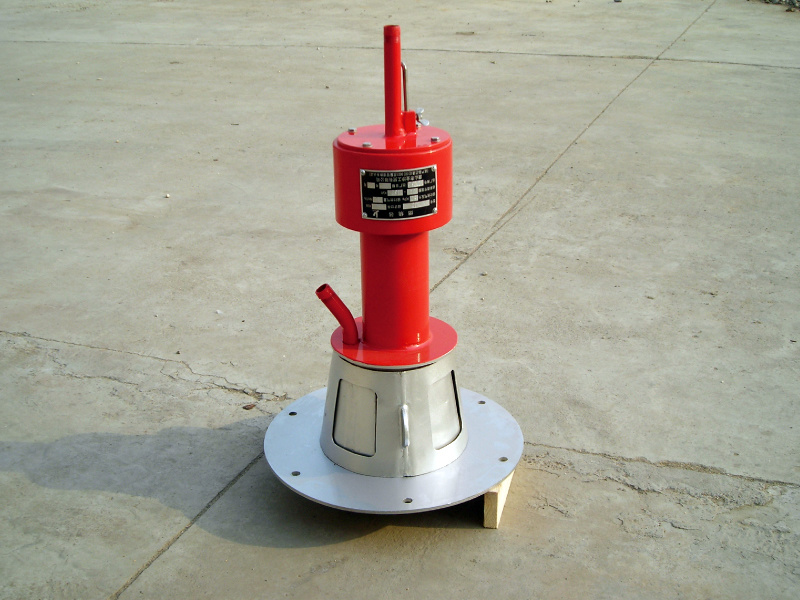
Non-standard combustion systems refer to specialized combustion setups that deviate from conventional designs to meet unique operational needs in industrial environments. These systems are often tailored to accommodate specific fuel types, combustion processes, or environmental considerations, making them invaluable in sectors requiring customized heating solutions.
One of the primary features of non-standard combustion systems is their adaptability. Unlike standard systems, which may operate on predefined parameters and fuels, non-standard systems can be engineered to optimize combustion efficiency for a variety of inputs. This flexibility can significantly enhance performance when dealing with alternative fuels, such as biomass or waste-derived fuels, where traditional burners may struggle to maintain efficiency and emissions standards.
In addition to flexibility, non-standard combustion systems often incorporate advanced control technologies that allow for real-time monitoring and adjustments. This capability is crucial in industrial applications where fluctuations in demand and fuel quality can occur. By utilizing sophisticated sensors and control algorithms, these systems can maintain optimal combustion conditions, reducing energy consumption and minimizing harmful emissions.
Another advantage of non-standard combustion systems is their potential for improved heat transfer. By tailoring the combustion process and the design of the heating element, these systems can enhance thermal efficiency and reduce the overall footprint of heating equipment. This is particularly important in industries where space is at a premium and energy costs are a significant operational concern.
Moreover, non-standard systems may also include features designed to enhance safety and reliability. Integrated safety mechanisms can help prevent hazardous situations that may arise from irregular combustion behaviors, ensuring a more secure operation in environments with strict safety regulations.
When considering the implementation of a non-standard combustion system, it is essential for professionals to conduct a thorough analysis of their specific requirements. Factors such as fuel availability, environmental regulations, and intended application should guide the design and selection of the system. Collaborating with experienced engineers and manufacturers can provide valuable insights into the feasibility of various configurations and technologies.
In summary, non-standard combustion systems offer a range of benefits for industrial heating applications. Their adaptability, advanced control capabilities, enhanced efficiency, and safety features make them a viable option for businesses looking to optimize their heating processes. By understanding the complexities and advantages of these systems, professionals can make informed decisions that align with their operational goals.
One of the primary features of non-standard combustion systems is their adaptability. Unlike standard systems, which may operate on predefined parameters and fuels, non-standard systems can be engineered to optimize combustion efficiency for a variety of inputs. This flexibility can significantly enhance performance when dealing with alternative fuels, such as biomass or waste-derived fuels, where traditional burners may struggle to maintain efficiency and emissions standards.
In addition to flexibility, non-standard combustion systems often incorporate advanced control technologies that allow for real-time monitoring and adjustments. This capability is crucial in industrial applications where fluctuations in demand and fuel quality can occur. By utilizing sophisticated sensors and control algorithms, these systems can maintain optimal combustion conditions, reducing energy consumption and minimizing harmful emissions.
Another advantage of non-standard combustion systems is their potential for improved heat transfer. By tailoring the combustion process and the design of the heating element, these systems can enhance thermal efficiency and reduce the overall footprint of heating equipment. This is particularly important in industries where space is at a premium and energy costs are a significant operational concern.
Moreover, non-standard systems may also include features designed to enhance safety and reliability. Integrated safety mechanisms can help prevent hazardous situations that may arise from irregular combustion behaviors, ensuring a more secure operation in environments with strict safety regulations.
When considering the implementation of a non-standard combustion system, it is essential for professionals to conduct a thorough analysis of their specific requirements. Factors such as fuel availability, environmental regulations, and intended application should guide the design and selection of the system. Collaborating with experienced engineers and manufacturers can provide valuable insights into the feasibility of various configurations and technologies.
In summary, non-standard combustion systems offer a range of benefits for industrial heating applications. Their adaptability, advanced control capabilities, enhanced efficiency, and safety features make them a viable option for businesses looking to optimize their heating processes. By understanding the complexities and advantages of these systems, professionals can make informed decisions that align with their operational goals.
PREVIOUS:

Contact Us
E-mail: yilin@cn-tsjsrs.com
Add: East side of Jingwu Road, Qian'an City, Hebei Province (within the modern equipment manufacturing industry cluster area)


Copyright © Tangshan Jinsha Combustion Heat Energy Co.,Ltd.