

Troubleshooting Common Issues with Metallurgical Combustion Equipment: A Comprehensive Guide
May 24,2026
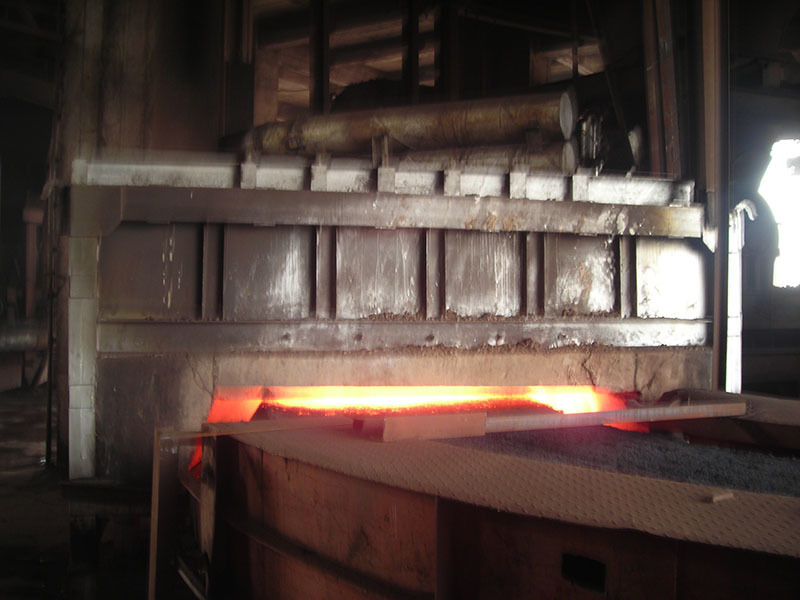
Troubleshooting Common Issues with Metallurgical Combustion Equipment
Table of Contents
- 1. Introduction to Metallurgical Combustion Equipment
- 2. Importance of Effective Troubleshooting
- 3. Common Issues with Metallurgical Combustion Equipment
- 3.1. Issues Affecting Flame Quality
- 3.2. Temperature Regulation Problems
- 3.3. Fuel Supply Challenges
- 3.4. Emissions Control Issues
- 4. Diagnostic Approaches for Troubleshooting
- 5. Solutions for Common Problems
- 5.1. Adjusting Flame Characteristics
- 5.2. Ensuring Accurate Temperature Control
- 5.3. Fuel Optimization Techniques
- 5.4. Emission Reduction Strategies
- 6. Importance of Regular Maintenance
- 7. Frequently Asked Questions (FAQs)
- 8. Conclusion
1. Introduction to Metallurgical Combustion Equipment
Metallurgical combustion equipment plays a critical role in various industrial processes, particularly in metallurgy where precision and efficiency are paramount. These systems are responsible for generating the heat necessary to melt, forge, and treat metals, making their functionality vital for the production line. Understanding how to troubleshoot common issues with this equipment not only maximizes operational efficiency but also extends the lifespan of these expensive machines.
2. Importance of Effective Troubleshooting
Effectively troubleshooting metallurgical combustion equipment can significantly reduce downtime and maintenance costs. Quick identification and resolution of issues prevent minor problems from escalating into major failures, which can lead to costly repairs and production delays. Thus, having a systematic approach to troubleshooting is essential for any industrial operation dependent on combustion technology.
3. Common Issues with Metallurgical Combustion Equipment
3.1. Issues Affecting Flame Quality
Flame quality is crucial for efficient combustion. Issues such as improper flame stability, color, and size can indicate underlying problems. An unstable flame may lead to inconsistent heating, impacting the quality of the metallurgical processes being conducted.
3.2. Temperature Regulation Problems
Temperature regulation is essential for processes like metal melting and heat treating. Inaccurate temperature readings or inadequate heating may result from malfunctioning sensors or incorrect burner settings. These inaccuracies can affect product quality and lead to energy inefficiency.
3.3. Fuel Supply Challenges
A steady and reliable fuel supply is fundamental for combustion equipment. Issues such as clogged fuel lines, inconsistent pressure, or poor-quality fuel can disrupt the combustion process. These challenges can result in incomplete combustion, leading to lower efficiency and increased emissions.
3.4. Emissions Control Issues
Regulatory compliance regarding emissions is a significant concern in metallurgy. Equipment that fails to control emissions properly may produce harmful pollutants, leading to legal repercussions and reputational damage. Troubleshooting these issues often involves checking the efficiency of emission control devices and conducting regular audits.
4. Diagnostic Approaches for Troubleshooting
4.1. Visual Inspection Techniques
Conducting a thorough visual inspection of the combustion equipment can reveal a multitude of issues. Look for signs of wear and tear, gas leaks, or component misalignments. Regular inspections can help identify problems before they escalate.
4.2. Conducting Sensor Checks
Sensors play an integral role in monitoring and controlling the combustion process. Regular checks of sensor calibration and functionality are essential. Any discrepancies in sensor readings should be addressed immediately to ensure optimal performance.
4.3. Performance Testing Methods
Implementing performance testing methods, such as analyzing combustion efficiency and emissions levels, can help diagnose underlying problems. Techniques like the use of thermal imaging cameras can also provide visual confirmation of heat distribution, revealing potential issues with heat transfer.
5. Solutions for Common Problems
5.1. Adjusting Flame Characteristics
If issues with flame quality are detected, adjustments may be necessary. Tuning the air-to-fuel ratio and modifying burner configurations can help stabilize the flame and improve combustion efficiency.
5.2. Ensuring Accurate Temperature Control
To rectify temperature regulation problems, ensure that sensors are correctly calibrated and functional. Implementing PID (Proportional-Integral-Derivative) control can also enhance temperature accuracy and responsiveness.
5.3. Fuel Optimization Techniques
Optimizing fuel supply involves regular maintenance of fuel lines and filters, ensuring that high-quality fuel is used. Efficient combustion practices, such as pre-heating the fuel and ensuring proper atomization, can greatly enhance overall performance.
5.4. Emission Reduction Strategies
To address emissions control issues, regularly inspect and maintain emission control devices like scrubbers and filters. Utilizing cleaner fuel alternatives and implementing proper combustion techniques can significantly reduce harmful emissions.
6. Importance of Regular Maintenance
Regular maintenance is paramount for the longevity and efficiency of metallurgical combustion equipment. A well-planned maintenance schedule encompassing inspections, cleaning, and performance assessments will reduce the likelihood of unexpected breakdowns and improve overall operational effectiveness. Furthermore, training staff on maintenance protocols fosters a culture of proactive problem-solving.
7. Frequently Asked Questions (FAQs)
What are the signs of malfunctioning combustion equipment?
**Signs include unstable flames, fluctuating temperature readings, and increased emissions.**
How often should combustion equipment be inspected?
**Regular inspections should occur at least quarterly, with more frequent checks during heavy usage periods.**
Can I troubleshoot combustion equipment myself?
**Basic troubleshooting can be performed, but complex issues should be handled by certified professionals to prevent safety hazards.**
What is the role of fuel quality in combustion efficiency?
**Fuel quality directly impacts combustion efficiency; impurities can lead to incomplete combustion and increased emissions.**
Are there specific regulations regarding emissions in metallurgy?
**Yes, compliance with local and international environmental regulations is necessary to prevent legal issues and protect the environment.**
8. Conclusion
Understanding and troubleshooting common issues with metallurgical combustion equipment is essential for maintaining operational efficiency and adherence to regulatory standards. By recognizing the signs of potential problems and implementing effective solutions, industries can enhance their productivity and ensure the longevity of their equipment. Regular maintenance and a proactive approach to troubleshooting will result in reduced downtime, lowered costs, and improved product quality, ultimately leading to a more successful and sustainable operation.

Contact Us
E-mail: yilin@cn-tsjsrs.com
Add: East side of Jingwu Road, Qian'an City, Hebei Province (within the modern equipment manufacturing industry cluster area)


Copyright © Tangshan Jinsha Combustion Heat Energy Co.,Ltd.