

Innovative Technologies in Industrial Thermal Equipment: A Comprehensive Overview
May 26,2026
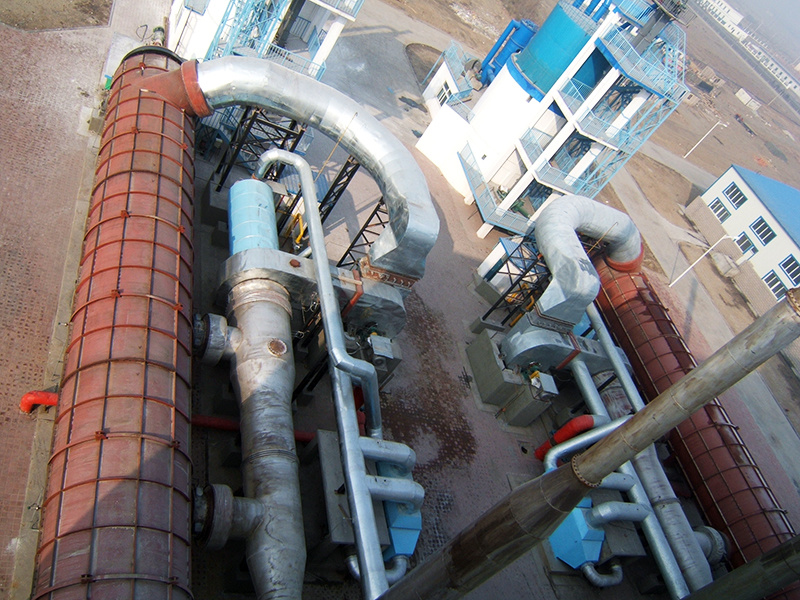
Innovative Technologies in Industrial Thermal Equipment: A Comprehensive Overview
Table of Contents
- 1. Introduction to Industrial Thermal Equipment
- 2. Importance of Innovative Technologies in Thermal Equipment
- 3. Types of Industrial Thermal Equipment
- 4. Recent Advancements in Thermal Technology
- 5. Key Applications of Innovative Thermal Equipment
- 6. Sustainability in Thermal Equipment Innovations
- 7. Future Trends in Industrial Thermal Technologies
- 8. Conclusion
- 9. Frequently Asked Questions
1. Introduction to Industrial Thermal Equipment
Industrial thermal equipment plays a crucial role in a vast array of sectors, including manufacturing, energy, and HVAC (Heating, Ventilation, and Air Conditioning). These systems are designed to manage heat transfer processes, ensuring that facilities operate efficiently and sustainably. Given the increasing demand for energy-efficient solutions, the industry has seen significant shifts towards innovative technologies that enhance the performance and reliability of thermal equipment.
2. Importance of Innovative Technologies in Thermal Equipment
The implementation of innovative technologies in industrial thermal equipment is essential for several reasons:
- **Energy Efficiency**: New technologies reduce energy consumption, leading to lower operational costs.
- **Performance Optimization**: Advanced systems enhance heat transfer rates, improving overall equipment efficiency.
- **Sustainability**: Innovations often align with environmental goals, promoting greener practices across industries.
- **Operational Reliability**: Cutting-edge technologies lead to more reliable equipment, reducing maintenance costs and downtime.
A focus on innovation ensures that businesses remain competitive in an ever-evolving marketplace, with the ability to adapt to changing regulations and consumer preferences.
3. Types of Industrial Thermal Equipment
Understanding the different types of industrial thermal equipment is critical for recognizing areas ripe for innovation. Below are some common categories:
3.1 Heat Exchangers
Heat exchangers are pivotal in transferring heat between two or more fluids. Recent advancements such as enhanced surface area designs and high-efficiency materials have significantly improved their effectiveness.
3.2 Boilers and Heaters
Boilers and heaters convert fuel into thermal energy. Modern designs feature advanced combustion technologies that enhance efficiency and reduce emissions.
3.3 Refrigeration Equipment
Innovations in refrigeration technology include magnetic refrigeration and CO2-based systems, which provide cooling solutions with lower environmental impact.
3.4 Thermal Storage Systems
These systems store thermal energy for later use, allowing for greater flexibility in energy consumption and management. Recent developments focus on improved insulation materials and control systems.
4. Recent Advancements in Thermal Technology
Technological advancements in industrial thermal equipment are transforming the landscape. Key innovations include:
4.1 Smart Thermodynamics
The integration of IoT (Internet of Things) in thermal systems enables real-time monitoring and data analysis. This technology allows for predictive maintenance, optimizing performance by addressing potential issues before they escalate.
4.2 Advanced Materials
The use of nanomaterials and composites in thermal equipment reduces weight while enhancing thermal conductivity. This leads to more efficient systems that take up less space and consume less energy.
4.3 Computational Fluid Dynamics (CFD)
CFD simulations allow engineers to analyze fluid flow and heat transfer in thermal systems, leading to better-designed equipment that maximizes efficiency.
4.4 Energy Recovery Systems
These systems capture waste heat and convert it into usable energy, significantly improving the overall efficiency of industrial processes.
5. Key Applications of Innovative Thermal Equipment
Innovative thermal equipment finds usage across various sectors, with significant applications including:
5.1 Oil and Gas Industry
Heat exchangers and thermal storage systems are widely used in the oil and gas sector for processing and transportation.
5.2 Food and Beverage Manufacturing
Efficient heating and cooling processes are crucial for maintaining product quality and safety, making advanced thermal equipment essential in this industry.
5.4 Power Generation
Thermal equipment plays a vital role in power plants, where efficient heat transfer is necessary for maximizing energy output.
5.4 HVAC Systems
Innovative thermal technologies improve HVAC systems by enhancing energy efficiency and ensuring optimal climate control in buildings.
6. Sustainability in Thermal Equipment Innovations
The shift towards sustainability is a driving force behind many innovations in thermal equipment. Key sustainability initiatives include:
6.1 Reducing Carbon Footprint
Cutting-edge technologies focus on reducing greenhouse gas emissions during the manufacturing and operation of thermal equipment.
6.2 Renewable Energy Integration
Innovative thermal systems can be designed to work in tandem with renewable energy sources, further decreasing reliance on fossil fuels.
6.3 Lifecycle Management
Sustainable practices encompass the entire lifecycle of thermal equipment, from production to disposal, ensuring minimal environmental impact.
7. Future Trends in Industrial Thermal Technologies
The future of industrial thermal equipment looks promising, shaped by several trends:
7.1 Increased Automation
Automation technologies will continue to integrate into thermal systems, allowing for enhanced efficiency and reduced human error.
7.2 Artificial Intelligence (AI) Integration
AI will play an essential role in optimizing thermal processes, enabling intelligent decision-making and predictive analytics for maintenance.
7.3 Focus on Customization
With the rise of industry 4.0, there will be greater demand for customizable thermal solutions that meet the specific needs of various applications.
8. Conclusion
The rapid evolution of industrial thermal equipment, driven by innovative technologies, presents opportunities for enhanced efficiency, sustainability, and performance. As industries embrace these advancements, they can achieve a competitive edge while contributing to a more sustainable future. By staying informed about the latest trends and innovations, businesses can navigate the complexities of modern industrial demands effectively.
9. Frequently Asked Questions
9.1 What are the benefits of innovative thermal technologies?
Innovative thermal technologies offer benefits such as increased energy efficiency, improved performance, and reduced environmental impact.
9.2 How do smart thermodynamic systems work?
Smart thermodynamic systems utilize IoT technology to monitor real-time data, enabling predictive maintenance and optimal performance management.
9.3 What advancements are being made in heat exchangers?
Recent advancements in heat exchangers include enhanced surface designs, high-efficiency materials, and integration with smart technologies for better heat transfer.
9.4 Why is sustainability important in thermal equipment?
Sustainability is crucial in thermal equipment to reduce the environmental impact, comply with regulations, and meet consumer demands for greener practices.
9.5 What future trends should we watch for in thermal technologies?
Future trends include increased automation, AI integration, and a focus on customizable solutions tailored to specific industry needs.
By considering these aspects, we can better understand the potential and importance of innovative technologies in industrial thermal equipment.
PREVIOUS:

Contact Us
E-mail: yilin@cn-tsjsrs.com
Add: East side of Jingwu Road, Qian'an City, Hebei Province (within the modern equipment manufacturing industry cluster area)


Copyright © Tangshan Jinsha Combustion Heat Energy Co.,Ltd.