

Energy Savings: How Hot Air Furnace Systems Reduce Operational Costs
Jun 05,2026
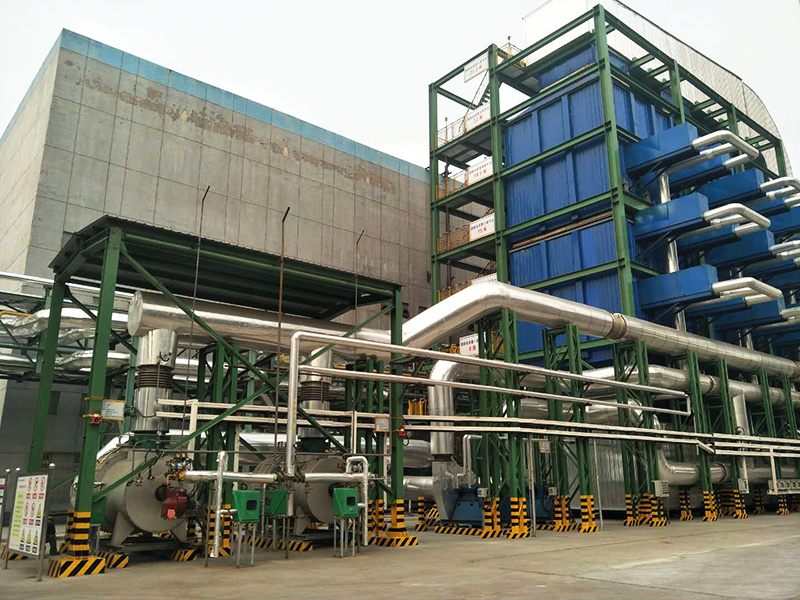
Energy Savings: How Hot Air Furnace Systems Reduce Operational Costs
Table of Contents
1. Introduction to Hot Air Furnace Systems
2. Understanding Energy Efficiency in Industrial Heating
2.1 The Importance of Energy Efficiency
2.2 Key Factors Affecting Energy Consumption
3. How Hot Air Furnace Systems Work
3.1 The Mechanism of Heat Generation
3.2 Distribution of Hot Air
4. Benefits of Hot Air Furnace Systems
4.1 Enhanced Energy Savings
4.2 Improved Operational Efficiency
4.3 Reduced Maintenance and Downtime
5. Case Studies: Real-World Applications and Savings
5.1 Manufacturing Plant Example
5.2 Food Processing Facility
6. Best Practices for Implementing Hot Air Furnace Systems
6.1 Proper Sizing and Installation
6.2 Regular Maintenance and Upgrades
7. Common Misconceptions about Hot Air Furnaces
8. Frequently Asked Questions
9. Conclusion
1. Introduction to Hot Air Furnace Systems
In today's industrial landscape, **energy efficiency** is more than just a buzzword; it's a critical factor influencing operational costs and environmental sustainability. Hot air furnace systems have emerged as a leading solution for industries seeking to reduce energy consumption while maintaining high levels of productivity. By harnessing advanced technologies, these systems not only provide reliable heating but also offer significant savings on operational costs. This article delves into the mechanics of hot air furnace systems and explores how they can contribute to substantial energy savings.
2. Understanding Energy Efficiency in Industrial Heating
For any industrial setup, the amount of energy consumed directly correlates with operational expenses. Understanding the principles of energy efficiency is vital for optimizing performance and reducing costs.
2.1 The Importance of Energy Efficiency
Energy efficiency in industrial heating systems is crucial for minimizing fuel consumption and lowering greenhouse gas emissions. Efficient heating systems can lead to lower utility bills, improved competitiveness, and compliance with environmental regulations.
2.2 Key Factors Affecting Energy Consumption
Several factors influence energy consumption in heating systems, including equipment type, age, and maintenance practices. Identifying these factors allows industries to make informed decisions about upgrading or replacing outdated systems.
3. How Hot Air Furnace Systems Work
Hot air furnaces operate by generating heated air, which is then distributed throughout the facility. This section breaks down the operational mechanics to provide a clearer understanding of their efficiency.
3.1 The Mechanism of Heat Generation
Hot air furnace systems typically use natural gas, propane, or electricity as fuel sources. The furnace burns fuel to create heat, which is then transferred to the air. Modern systems employ advanced combustion technologies that maximize the heat output while minimizing waste.
3.2 Distribution of Hot Air
Once the air is heated, it is distributed through ductwork or directly into spaces via vents. Effective distribution systems ensure that heat reaches all areas uniformly, aiding in maintaining a consistent temperature without over-relying on the heating source.
4. Benefits of Hot Air Furnace Systems
The adoption of hot air furnace systems brings a plethora of advantages to industrial operations.
4.1 Enhanced Energy Savings
One of the most significant benefits of hot air furnace systems is their **energy-saving potential**. By using less fuel to generate the same amount of heat, companies can dramatically cut down on their energy bills.
4.2 Improved Operational Efficiency
These systems are designed for optimal performance, which translates into faster heating times and better temperature control. This efficiency allows for smoother production processes and maximized output.
4.3 Reduced Maintenance and Downtime
Hot air furnaces are often simpler in design, which can lead to fewer breakdowns and less maintenance compared to more complex heating systems. This reliability further reduces downtime and maintenance costs.
5. Case Studies: Real-World Applications and Savings
Examining real-world examples provides insight into the tangible benefits of hot air furnace systems.
5.1 Manufacturing Plant Example
A manufacturing plant that switched to a hot air furnace system reported a **30% reduction in energy costs** within the first year. The system's efficiency allowed for less energy input while meeting the plant's heating demands.
5.2 Food Processing Facility
In a food processing facility, the implementation of a hot air furnace led to a significant decrease in heating times, resulting in increased production capabilities. The facility also benefited from lower maintenance costs due to the system's robust design.
6. Best Practices for Implementing Hot Air Furnace Systems
To fully capitalize on the benefits of hot air furnace systems, it is essential to follow best practices during installation and operation.
6.1 Proper Sizing and Installation
Choosing the right size furnace for the specific needs of the facility is critical. An oversized or undersized unit can lead to inefficiencies and increased costs.
6.2 Regular Maintenance and Upgrades
Routine inspections and maintenance are vital to ensure optimal performance. Upgrading components to the latest technologies can also enhance efficiency and longevity.
7. Common Misconceptions about Hot Air Furnaces
Many myths surround hot air furnaces, which can lead to misconceptions about their effectiveness and reliability. It's essential to clarify these points to promote informed decision-making.
8. Frequently Asked Questions
1. What is the lifespan of a hot air furnace system?
Hot air furnace systems typically have a lifespan of 15 to 30 years, depending on maintenance and usage patterns.
2. How do I know if my hot air furnace is energy-efficient?
Check the system's Annual Fuel Utilization Efficiency (AFUE) rating. The higher the AFUE percentage, the more efficient the system.
3. Can I use alternative fuels in a hot air furnace?
Many hot air furnaces can be adapted to use renewable energy sources, such as biofuels or solar energy, enhancing their environmental benefits.
4. Is it worth upgrading to a hot air furnace system?
If your current heating system is old and inefficient, upgrading can result in significant long-term savings and reduced operational costs.
5. What maintenance is required for hot air furnace systems?
Regular maintenance includes cleaning the system, checking for leaks, and ensuring that all components function correctly to maintain efficiency.
9. Conclusion
Hot air furnace systems represent a significant opportunity for industries to enhance their energy efficiency and reduce operational costs. With the right implementation, maintenance practices, and a clear understanding of their functionality, these heating systems can provide substantial financial benefits while contributing to a more sustainable industrial future. Investing in hot air furnace technology is not just an operational decision; it's a strategic move towards energy conservation and economic efficiency.
PREVIOUS:

Contact Us
E-mail: yilin@cn-tsjsrs.com
Add: East side of Jingwu Road, Qian'an City, Hebei Province (within the modern equipment manufacturing industry cluster area)


Copyright © Tangshan Jinsha Combustion Heat Energy Co.,Ltd.