

The Ultimate Guide to Best Practices for Maintaining Metallurgical Combustion Equipment
Jun 07,2026
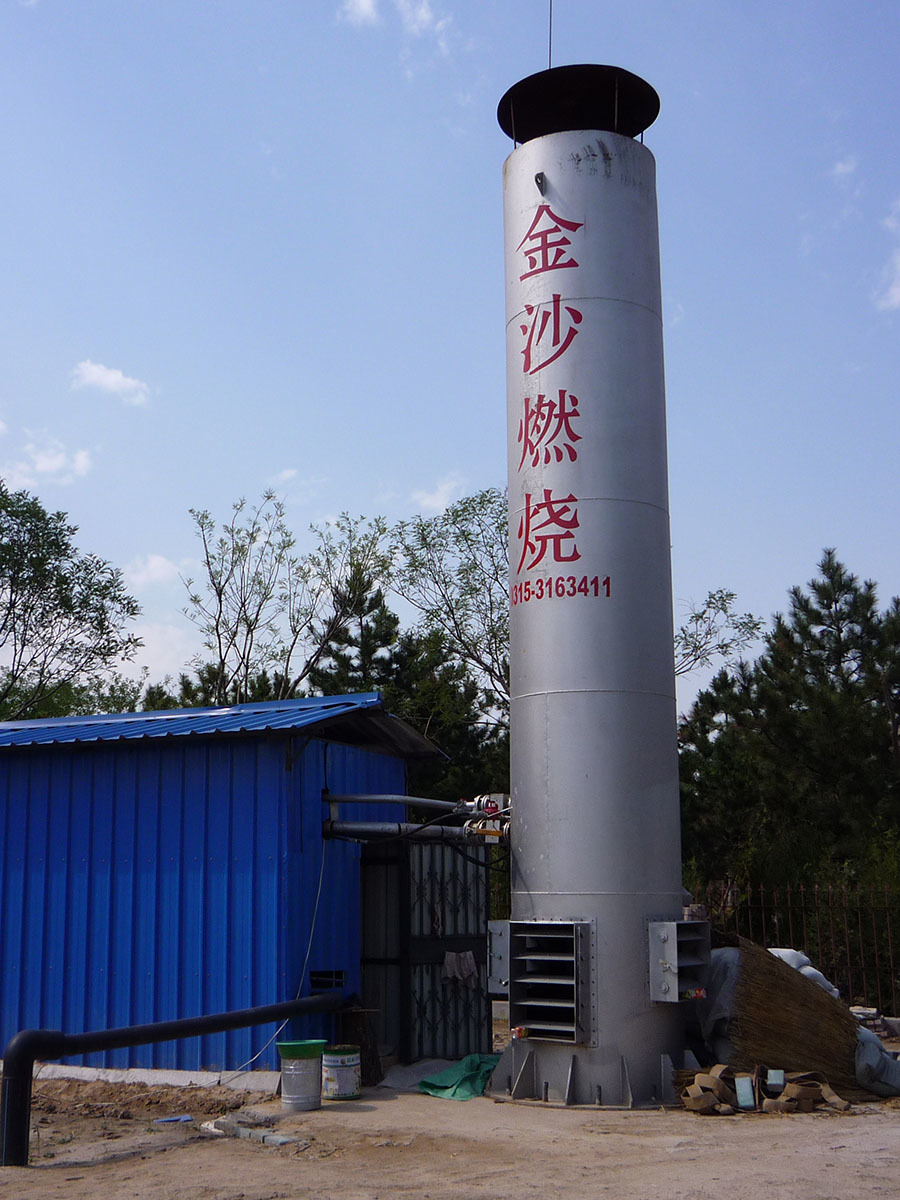
The Ultimate Guide to Best Practices for Maintaining Metallurgical Combustion Equipment
Maintaining metallurgical combustion equipment is crucial for ensuring efficiency, safety, and longevity. In the realm of industrial equipment, these systems play a vital role in metallurgical processes, impacting both product quality and operational costs. This article provides a thorough overview of best practices, essential maintenance strategies, and expert tips for keeping your combustion systems running smoothly.
Table of Contents
1. Introduction to Metallurgical Combustion Equipment
2. The Importance of Regular Maintenance
3. Routine Inspections: Key Elements to Check
4. Cleaning and Servicing Your Combustion Equipment
5. Troubleshooting Common Issues
6. Training Staff and Safety Protocols
7. When to Upgrade or Replace Equipment
8. Conclusion
9. FAQs
Introduction to Metallurgical Combustion Equipment
Metallurgical combustion equipment serves as the backbone of various thermal processes within the manufacturing sector. This equipment includes furnaces, kilns, and heat exchangers, which facilitate critical operations such as melting, alloying, and heat treatment. To achieve optimal performance, it is essential to implement effective maintenance practices that ensure safety and efficiency.
The Importance of Regular Maintenance
The importance of regular maintenance cannot be overstated. Proper upkeep of metallurgical combustion equipment leads to numerous benefits, including:
- **Improved Efficiency:** Regular maintenance ensures that equipment operates at peak efficiency, reducing energy costs and enhancing productivity.
- **Safety Assurance:** Routine checks help identify potential hazards, minimizing risks to personnel and the facility.
- **Extended Equipment Lifespan:** Consistent maintenance can prolong the life of equipment, reducing the need for costly replacements.
- **Quality Control:** Maintaining optimal operating conditions ensures consistent product quality, vital in metallurgical processes.
Understanding these benefits underscores the necessity of incorporating a structured maintenance plan for your combustion systems.
Routine Inspections: Key Elements to Check
Conducting regular inspections is a fundamental aspect of maintaining metallurgical combustion equipment. Here are key elements to focus on during inspections:
Visual Inspection
Start with a thorough visual inspection of the equipment. Look for signs of wear and tear, corrosion, or any superficial damage. Pay particular attention to:
- **Seals and Gaskets:** Ensure they are intact and free from leaks.
- **Burners:** Check for blockages or uneven flame patterns.
- **Exhaust Systems:** Inspect for soot buildup and ensure proper venting.
Operational Checks
Conducting operational checks can reveal underlying issues. Focus on:
- **Temperature Monitoring:** Ensure that temperature readings are within the specified range.
- **Pressure Gauges:** Regularly monitor pressure levels to prevent over-pressurization.
- **Flame Stability:** Observe the flame characteristics during operation; a stable flame is crucial for efficient combustion.
Cleaning and Servicing Your Combustion Equipment
Regular cleaning and servicing of metallurgical combustion equipment play a crucial role in maintaining efficiency and safety.
Cleaning Procedures
Cleanliness is essential for optimal performance. Implement the following cleaning procedures:
- **Burner Cleaning:** Regularly clean burners to prevent clogging and maintain even fuel distribution.
- **Heat Exchanger Maintenance:** Ensure heat exchangers are free from deposits, as buildup can severely impact thermal efficiency.
- **Ventilation System Cleaning:** Clean exhaust and ventilation systems to prevent hazardous buildup that could pose safety risks.
Servicing Recommendations
In addition to cleaning, routine servicing is essential. Recommendations include:
- **Calibration of Sensors:** Regularly calibrate sensors to ensure accurate readings, which can prevent operational issues.
- **Oil and Lubrication:** Ensure that moving parts are adequately lubricated to reduce friction and wear.
- **Component Replacement:** Identify components that require replacement based on wear patterns and manufacturer guidelines.
Troubleshooting Common Issues
Even with regular maintenance, issues may arise. Recognizing and addressing common problems is vital for maintaining operational continuity.
Flame Instability
Flame instability can indicate issues with fuel supply or burner malfunctions. To troubleshoot:
- Check fuel input for blockages.
- Inspect burners for wear and replace if necessary.
- Ensure proper air-to-fuel ratios.
Temperature Fluctuations
Temperature fluctuations can compromise product quality. To address this issue:
- Examine control systems for malfunctions.
- Verify the calibration of temperature sensors.
- Inspect for insulation degradation in heating zones.
Training Staff and Safety Protocols
Effective maintenance practices in metallurgical combustion equipment require well-trained personnel. Implement the following strategies:
Staff Training Programs
Conduct regular training sessions to ensure staff are knowledgeable about equipment operation, maintenance protocols, and safety measures. Focus on:
- Standard Operating Procedures (SOPs): Ensure all employees are familiar with SOPs for all equipment.
- Emergency Response Training: Prepare staff to handle potential emergencies, including fires or equipment failures.
Safety Protocols
Implement safety protocols to minimize risks. Key safety measures include:
- Personal Protective Equipment (PPE): Ensure that all employees wear appropriate PPE during inspections and maintenance.
- Lockout/Tagout Procedures: Follow lockout/tagout procedures to prevent accidental equipment start-up during maintenance.
When to Upgrade or Replace Equipment
While regular maintenance can extend equipment life, there comes a time when upgrading or replacing equipment is necessary. Consider the following factors:
Performance Assessment
Evaluate equipment performance regularly. Signs that upgrade or replacement may be needed include:
- Frequent breakdowns or repairs.
- Consistent inability to meet production demands.
- Rising energy costs due to inefficiencies.
Technological Advancements
Stay informed about technological advancements in metallurgical combustion equipment. Upgrading to newer models can provide benefits such as enhanced energy efficiency, improved safety features, and better control systems.
Conclusion
Maintaining metallurgical combustion equipment is a multifaceted process that demands attention to detail and a proactive approach. By implementing best practices such as routine inspections, cleaning, servicing, and staff training, organizations can enhance efficiency, ensure safety, and prolong equipment lifespan. Investing in maintenance strategies not only supports operational excellence but also contributes to the overall success of metallurgical processes.
FAQs
1. How often should I conduct maintenance on metallurgical combustion equipment?
Regular maintenance should be scheduled based on the manufacturer's recommendations, typically every six months to a year, with routine inspections conducted monthly.
2. What are the signs that my combustion equipment needs servicing?
Signs include unusual noises, fluctuations in temperature, and inconsistent flame patterns.
3. Can I perform maintenance tasks myself?
While some tasks can be performed by trained staff, complex servicing and repairs should be conducted by qualified professionals.
4. What safety equipment should I use when maintaining combustion systems?
Always wear appropriate PPE, including gloves, goggles, and heat-resistant clothing, during maintenance activities.
5. How do I know when to replace my equipment?
Consider replacing equipment if it frequently malfunctions, is outdated, or no longer meets production requirements efficiently.
By adhering to these best practices, organizations can ensure their metallurgical combustion equipment remains a reliable, efficient, and safe component of their operations.
PREVIOUS:

Contact Us
E-mail: yilin@cn-tsjsrs.com
Add: East side of Jingwu Road, Qian'an City, Hebei Province (within the modern equipment manufacturing industry cluster area)


Copyright © Tangshan Jinsha Combustion Heat Energy Co.,Ltd.