

Exploring Non-Standard Combustion Systems: Innovations in Industrial Heating Solutions
Jun 06,2026
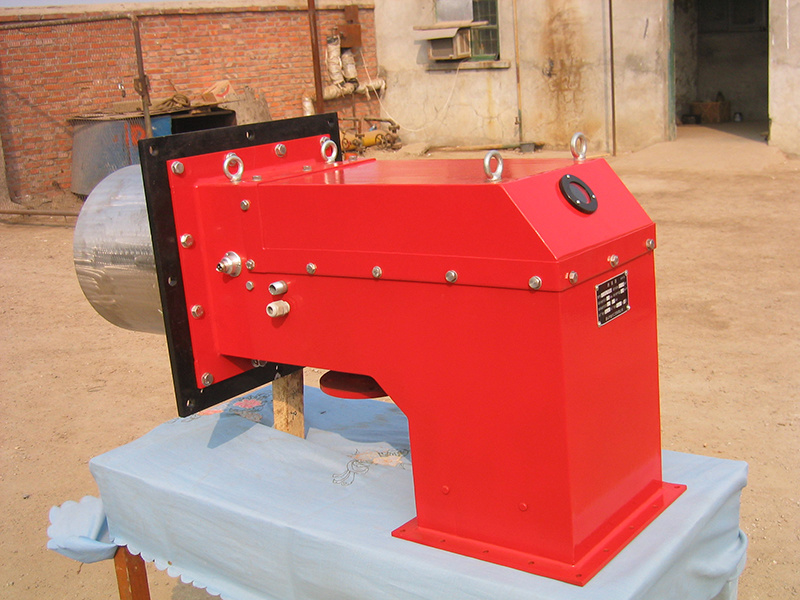
Non-standard combustion systems represent a vital evolution in industrial heating solutions, diverging from conventional methods to meet diverse operational needs. As industries increasingly prioritize efficiency and sustainability, understanding the mechanics and applications of these systems becomes crucial.
At their core, non-standard combustion systems employ unique designs and processes to generate heat. Unlike traditional combustion systems, which typically burn a uniform type of fuel under standard conditions, non-standard systems might utilize varied fuel types or innovative combustion techniques. This flexibility allows them to adapt to specific applications, making them particularly valuable in industries that require precise thermal output.
One of the most significant advantages of non-standard combustion systems is their ability to optimize energy usage. By customizing combustion processes, these systems can achieve higher efficiency levels, reducing fuel consumption and lowering operational costs. For instance, some systems may incorporate advanced features like staged combustion or pre-mixed fuel-air ratios, which enhance combustion efficiency and minimize emissions.
In addition to energy efficiency, non-standard combustion systems can also contribute to improved environmental performance. With stricter regulations surrounding emissions and environmental impact, industries are often tasked with developing cleaner processes. Non-standard systems can be designed to accommodate alternative fuels, such as biofuels or waste-derived fuels, further promoting sustainability.
Moreover, the adaptability of non-standard combustion systems is evident in their application across various industrial sectors. From manufacturing and chemical processing to food production and waste management, these systems can be tailored to meet the unique thermal requirements of each industry. For example, in the food industry, precise temperature control is essential for processes like pasteurization or drying. Non-standard combustion systems can be configured to provide the necessary heat consistently, ensuring product quality and safety.
It is also worth noting that the integration of technology, such as sensors and automation, into non-standard combustion systems allows for real-time monitoring and control. This capability not only enhances operational efficiency but also facilitates quick responses to changes in demand or process conditions.
In summary, non-standard combustion systems are redefining the landscape of industrial heating solutions. Their ability to provide customized, efficient, and environmentally friendly heating makes them indispensable in today's industrial operations. As industries continue to evolve, the role of these innovative systems will likely expand, offering new possibilities for enhancing productivity and sustainability.
At their core, non-standard combustion systems employ unique designs and processes to generate heat. Unlike traditional combustion systems, which typically burn a uniform type of fuel under standard conditions, non-standard systems might utilize varied fuel types or innovative combustion techniques. This flexibility allows them to adapt to specific applications, making them particularly valuable in industries that require precise thermal output.
One of the most significant advantages of non-standard combustion systems is their ability to optimize energy usage. By customizing combustion processes, these systems can achieve higher efficiency levels, reducing fuel consumption and lowering operational costs. For instance, some systems may incorporate advanced features like staged combustion or pre-mixed fuel-air ratios, which enhance combustion efficiency and minimize emissions.
In addition to energy efficiency, non-standard combustion systems can also contribute to improved environmental performance. With stricter regulations surrounding emissions and environmental impact, industries are often tasked with developing cleaner processes. Non-standard systems can be designed to accommodate alternative fuels, such as biofuels or waste-derived fuels, further promoting sustainability.
Moreover, the adaptability of non-standard combustion systems is evident in their application across various industrial sectors. From manufacturing and chemical processing to food production and waste management, these systems can be tailored to meet the unique thermal requirements of each industry. For example, in the food industry, precise temperature control is essential for processes like pasteurization or drying. Non-standard combustion systems can be configured to provide the necessary heat consistently, ensuring product quality and safety.
It is also worth noting that the integration of technology, such as sensors and automation, into non-standard combustion systems allows for real-time monitoring and control. This capability not only enhances operational efficiency but also facilitates quick responses to changes in demand or process conditions.
In summary, non-standard combustion systems are redefining the landscape of industrial heating solutions. Their ability to provide customized, efficient, and environmentally friendly heating makes them indispensable in today's industrial operations. As industries continue to evolve, the role of these innovative systems will likely expand, offering new possibilities for enhancing productivity and sustainability.

Contact Us
E-mail: yilin@cn-tsjsrs.com
Add: East side of Jingwu Road, Qian'an City, Hebei Province (within the modern equipment manufacturing industry cluster area)


Copyright © Tangshan Jinsha Combustion Heat Energy Co.,Ltd.