

Industrial Combustion Burners: Basics & Efficiency
Jul 23,2026
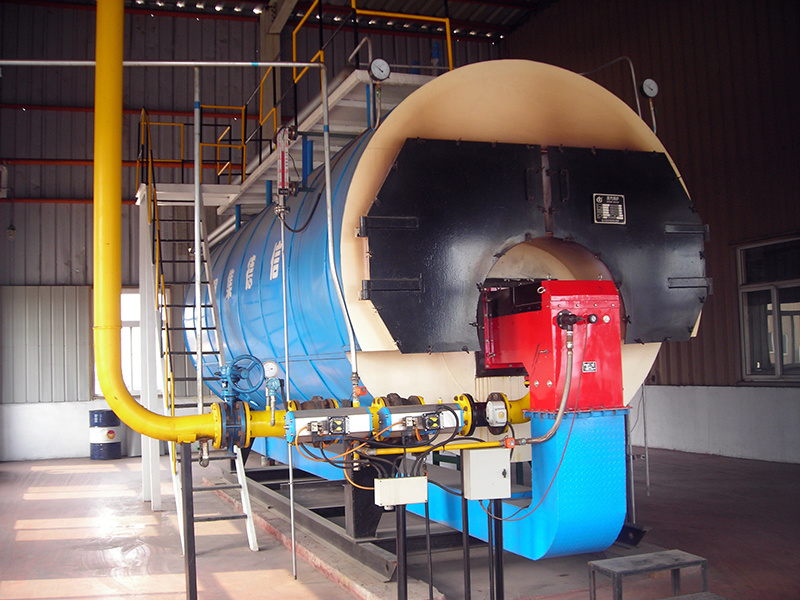
Understanding the Basics of Industrial Combustion Burners
As manufacturers continue to review energy use, emissions performance, and production reliability, combustion equipment is receiving renewed attention across heavy industry. At the center of many furnaces, ovens, dryers, boilers, kilns, and process heaters is the industrial burner: a device designed to mix fuel and air, ignite that mixture safely, and deliver controlled heat to a process.
While the technology is familiar to plant engineers, the operating expectations around burners are changing. Facilities are looking for systems that can support stable production, improve thermal efficiency, reduce unplanned downtime, and adapt to tighter environmental and safety requirements. Understanding how these burners work is becoming increasingly important for operations teams, maintenance managers, and procurement decision-makers involved in industrial heating.
What an industrial burner does
An industrial burner converts the chemical energy in fuel into usable heat. Depending on the application, that fuel may be natural gas, fuel oil, propane, hydrogen blends, biogas, or other process gases. The burner introduces fuel and combustion air in controlled proportions, supports ignition, and shapes the flame so heat is delivered where the process needs it.
In practical terms, the burner is not just a flame source. It is part of a larger combustion system that may include:
Fuel trains and pressure regulators
Combustion air fans or blowers
Flame scanners and ignition systems
Control valves and actuators
Safety shutoff systems
Temperature and oxygen sensors
Furnace, boiler, or process controls
The performance of the complete system determines whether heat is generated safely, consistently, and efficiently.
Why burner design matters
Different industrial processes require different flame characteristics. A metals furnace may need high-intensity heat and fast response. A food drying system may require even temperature distribution and careful control to protect product quality. A boiler burner must support reliable steam generation while maintaining safe combustion.
Key burner design considerations include flame shape, firing rate, turndown ratio, fuel compatibility, combustion air method, and control strategy. A burner that performs well in one application may be unsuitable for another if it cannot match the required heat profile or operating range.
Turndown ratio is especially important in facilities with variable demand. A burner with broader turndown capability can operate across a wider range of firing rates without frequent cycling. This can help stabilize process temperatures, reduce mechanical stress, and improve overall thermal efficiency when properly integrated with the control system.
The role of air-fuel ratio
Efficient combustion depends on the right balance between fuel and air. Too little air can cause incomplete combustion, leading to carbon monoxide formation, soot, instability, and safety concerns. Too much air can carry excess heat out of the exhaust, wasting energy and increasing operating costs.
This balance is often referred to as excess air control. Operators must provide enough oxygen to complete combustion while avoiding unnecessary airflow through the system. Modern industrial burner systems may use sensors and automated controls to adjust air and fuel in real time, helping maintain stable performance as demand changes.
For many facilities, improving air-fuel control is one of the most direct ways to increase thermal efficiency. Even small improvements can matter in energy-intensive operations where burners run for long hours or at high capacity.
Common types of industrial burners
Industrial heating applications use a range of burner configurations. The most common include nozzle-mix, premix, radiant, regenerative, recuperative, and low-NOx burners.
Nozzle-mix burners mix fuel and air at or near the burner nozzle. They are widely used because they are flexible and can support a variety of fuels and firing patterns. Premix burners combine fuel and air before combustion, often producing a compact and uniform flame, though they require careful safety design.
Radiant burners transfer heat through infrared radiation, making them useful in applications that benefit from direct surface heating. Regenerative and recuperative burners are designed to recover heat from exhaust gases and reuse it to preheat combustion air, which can significantly improve energy performance in high-temperature processes.
Low-NOx burners are designed to reduce nitrogen oxide formation by controlling flame temperature, staging combustion, or modifying how fuel and air mix. These systems are increasingly relevant in regions where air-quality rules affect industrial operations.
Thermal efficiency and energy performance
Thermal efficiency measures how effectively a system converts fuel energy into useful process heat. Burner selection influences this, but efficiency also depends on the furnace or heater design, insulation, exhaust losses, maintenance condition, operating practices, and control accuracy.
A high-quality industrial burner installed in a poorly maintained or poorly insulated system may not deliver the expected savings. Likewise, older burners can sometimes be improved through tuning, controls upgrades, or heat recovery measures before full replacement is considered.
Common efficiency improvement strategies include:
Regular combustion tuning
Oxygen trim controls
Heat recovery from flue gases
Improved insulation and sealing
Burner maintenance and cleaning
Better temperature control
Proper sizing for actual process demand
The most effective approach typically starts with measurement. Flue gas analysis, temperature profiling, fuel-use monitoring, and maintenance records can reveal whether the burner system is operating as intended.
Safety remains a central priority
Combustion systems carry inherent risks, including fuel leaks, flame failure, delayed ignition, pressure issues, and incomplete combustion. For that reason, industrial burner systems rely on layered safety measures.
A typical burner management system monitors startup, ignition, flame detection, purge cycles, fuel shutoff, and fault conditions. These safeguards are designed to prevent unsafe accumulation of fuel and to shut the system down if flame or operating conditions move outside approved limits.
Maintenance teams should treat burner safety devices as critical equipment, not optional accessories. Regular inspection of flame scanners, valves, pressure switches, igniters, and control logic helps reduce operational risk. Any changes to fuel type, firing rate, controls, or furnace configuration should be reviewed by qualified personnel.
Maintenance and reliability trends
Industrial operators are placing more emphasis on preventive and predictive maintenance. For combustion equipment, that means identifying burner issues before they affect production or safety.
Common warning signs include unstable flame, unusual noise, inconsistent temperatures, visible soot, increased fuel consumption, delayed ignition, repeated trips, or changes in exhaust readings. These symptoms can point to clogged nozzles, worn components, poor air supply, sensor problems, incorrect pressure settings, or control issues.
Digital monitoring is also becoming more common in industrial heating environments. When burner performance data is connected to plant control systems, operators can track trends in fuel use, oxygen levels, temperature stability, and alarm frequency. This information can support better maintenance planning and more informed capital decisions.
Fuel flexibility and emissions pressure
Fuel strategy is another area drawing attention. Some facilities are evaluating alternative fuels, renewable gases, or hydrogen blends as part of broader emissions-reduction plans. However, changing fuel is not a simple drop-in decision for every burner.
Fuel composition affects flame speed, heating value, ignition behavior, emissions, and equipment compatibility. An industrial burner designed for one fuel may require modification, retuning, or replacement to operate safely with another. Control systems, fuel trains, valves, sensors, and safety devices may also need evaluation.
At the same time, emissions performance remains a key factor in burner selection. Operators may need to consider nitrogen oxides, carbon monoxide, carbon dioxide, particulate matter, and local permitting requirements. Low-emission burner technology can help, but the final result depends on system design and operating conditions.
What buyers and operators should evaluate
When reviewing burner options, decision-makers should look beyond the purchase price. The total value of an industrial heating system depends on efficiency, reliability, serviceability, compliance, and process performance.
Important questions include:
Does the burner match the required firing range?
Can it maintain stable combustion at low and high loads?
Is it compatible with current and future fuel plans?
What controls are needed to support thermal efficiency?
How easily can technicians inspect and maintain it?
Does it meet applicable safety and emissions requirements?
Can the supplier support commissioning, tuning, and training?
These questions are especially important when replacing legacy equipment. A like-for-like replacement may not deliver the best long-term outcome if production requirements, fuel costs, or regulatory expectations have changed.
Outlook for industrial heating systems
The fundamentals of combustion remain the same, but expectations for burner performance are advancing. Facilities want equipment that delivers dependable heat while supporting energy management, emissions goals, and operational visibility.
For many plants, the industrial burner will remain a core part of production infrastructure for years to come. The companies that understand burner basics, monitor performance carefully, and invest in proper maintenance will be better positioned to improve thermal efficiency and keep industrial heating processes running safely and consistently.
Related Posts

Contact Us
E-mail: yilin@cn-tsjsrs.com
Add: East side of Jingwu Road, Qian'an City, Hebei Province (within the modern equipment manufacturing industry cluster area)


Copyright © Tangshan Jinsha Combustion Heat Energy Co.,Ltd.